
"1728"
302 article(s) found

Healthy black coffee
The earliest coffee on the island of Jamaica came from Haiti in Latin America in 1728. By 1790, some coffee farmers among the refugees in exile from Haiti had settled in the Blue Mountains and brought coffee-growing technology here. In 1838, Jamaica abolished slavery and allowed liberated slaves to cultivate their own land. Free slaves moved to the mountains to specialize in planting.
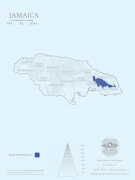
How about Jamaica coffee? Introduction and Grading System of Jamaica Coffee
Governor Sir Nicholas Rouse in 1728 received coffee plants from the governor of Martinique and immediately planted them in the St Andrews area. Production was limited in the first half of the century, but as coffee cultivation expanded from St Andrews to the Blue Mountains, it flourished in 686 plantations. By 1814, Jamaica's peak annual production exceeded 16,5
What's the quality of Jamaican coffee? Variety introduction and grading system of Blue Mountain Coffee beans in Jamaica
Sir Nicholas Rawls, governor of 1728, obtained a coffee plant from the governor of Martinique and immediately planted it in the St. Andrews area. Production was restricted in the first half of this century, but as coffee cultivation expanded from St. Andrews to the Blue Mountains, it covered 686 plantations

Introduction to the quality characteristics of the flavor description treatment of the world's top blue mountain coffee produced in Jamaica
The earliest origin of Jamaica's production of the world's top Blue Mountain Coffee can be traced back to the decision of an 18th century French king. In 1723, King's Road XV sent coffee seeds to the French colony of Martinique, which is located 1900 kilometers southwest of Jamaica and has fertile soil. Five years later, in 1728, Nicholas Rawls, the governor of Jamaica, received a message from Ma.

Yinshan Manor Coffee Bean Flavor Taste Aroma Description
Overall Rating: Excellent Special Region Coffee Imprint: Sir Nicholas Lawes, then Governor General of Jamaica, introduced coffee from Martinique in 1728. Jamaica is an ideal place to grow coffee. Nine years after coffee was introduced, they began exporting about 83,000 pounds of beans a year. Between 1728 and 1768,

A brief introduction to the elegant Yinshan Manor Fine Coffee Bean planting Market Price
In 1728, Sir Nicholas Nicholas Lawes, then governor of Jamaica, introduced coffee from Martinique. Jamaica is an ideal place to grow coffee, and nine years after it was introduced, they began to export about 83000 pounds of beans a year. Between 1728 and 1768, the Jamaican coffee industry was in ST. A

A brief introduction to the treatment method of grinding degree and baking degree of fine coffee beans in Yinshan Manor
Coffee imprint in special producing areas: in 1728, Sir Nicholas Nicholas Lawes, then governor of Jamaica, introduced coffee from Martinique. Jamaica is an ideal place to grow coffee, and nine years after it was introduced, they began to export about 83000 pounds of beans a year. Between 1728 and 1768, the Jamaican coffee maker

A brief introduction to the treatment method of grinding degree and baking degree of fine coffee beans in Yinshan Manor with mild flavor
In 1728, Sir Nicholas Nicholas Lawes, then governor of Jamaica, introduced coffee from Martinique. Jamaica is an ideal place to grow coffee, and nine years after it was introduced, they began to export about 83000 pounds of beans a year. Between 1728 and 1768, the Jamaican coffee industry was in ST. A
Aunn Cafe Jing'an Temple 300square four-story coffee space
Aunn Cafe Jing'an Temple 300ping four-story coffee space address: 1728 Nanjing West Road, Jing'an District (Huashan Road) per capita: 35 yuan Aunn Cafe black and white, minimalist, sense of design, large area floor-to-ceiling windows, high street terrace, imagine the comfort of drinking coffee while watching the traffic, you can not help but step in here. 300 square meters of open space, with only a dozen tables of seats, and

The four-story coffee space of Jing'an Temple: Aunn Cafe
Address: 1728 Nanjing West Road, Jing'an District (Huashan Road) per capita: 35 yuan black and white, minimalist, awkward feeling, large area floor-to-ceiling windows, high street terrace, imagine the comfort of drinking coffee while watching the traffic, you can't help stepping in here. 300 square meters of open space, only more than a dozen tables of seats, and each is also a big story, all are 3D printed out!

Healthy black coffee, Jamaica's Blue Mountain Coffee.
The earliest coffee on the island of Jamaica came from Haiti in Latin America in 1728. By 1790, some coffee farmers among the refugees in exile from Haiti had settled in the Blue Mountains and brought coffee-growing technology here. In 1838, Jamaica abolished slavery and allowed liberated slaves to cultivate their own land. Free slaves moved to the mountains to specialize in planting.
Boutique coffee basic common sense healthy black coffee
The earliest coffee on the island of Jamaica came from Haiti in Latin America in 1728. By 1790, some coffee farmers among the refugees in exile from Haiti had settled in the Blue Mountains and brought coffee-growing technology here. In 1838, Jamaica abolished slavery and allowed liberated slaves to cultivate their own land. Free slaves moved to the mountains to specialize in planting.

Healthy and delicious black coffee Blue Mountain Coffee of Jamaica
The earliest coffee on the island of Jamaica came from Haiti in Latin America in 1728. By 1790, some coffee farmers among the refugees in exile from Haiti had settled in the Blue Mountains and brought coffee-growing technology here. In 1838, Jamaica abolished slavery and allowed liberated slaves to cultivate their own land. Free slaves moved to the mountains to specialize in planting.
Jamaican coffee imprint
Jamaican coffee is the most expensive coffee in the world. The real Blue Mountain Coffee is made from the best local raw coffee beans. It is rich, balanced, fruity and sour, and can meet people's various needs.

How much is Jamaica Blue Mountain? what is Jamaican Blue Mountain Coffee? The flavor of Jamaica Blue Mountain Coffee
Professional coffee knowledge exchange more coffee bean information please follow the coffee workshop (Wechat official account cafe_style) Jamaican coffee beans have a long history. In 1728 the then British Governor Nicholas Lowe Sir Nicholas Lawes imported coffee from French Martinique Island to Jamaica. As the local climate is very suitable for growing coffee beans, he bought it nine years after the introduction.
Jamaican Coffee Encyclopedia
Jamaica Jamaica location: central American area: 11100 square kilometers population: 2826000 people official language: English coffee planting area: 9000 hectares coffee yield: 27,000 bags of coffee varieties: Arabica coffee characteristics: the myth of the coffee industry. Its flavor is mild, clean, soft, fruity and sour, and can meet people's various needs. Except for this.

A brief introduction to the treatment method of grinding degree and baking degree of fine coffee beans in mild flavor Silver Mountain Manor, Jamaica
Between 1728 and 1768, the Jamaican coffee industry was in ST. There was a great deal of development in the foothills of Andrew, but eventually it gradually developed to the Blue Mountains. In June 1950, the Coffee Industry Association of Jamaica established the official standard position on the quality of raw coffee for export: central American area: 11100 square kilometers population: 2826000 official language: British

Taste of Blue Mountain Coffee characteristics and grading system of Jamaica Blue Mountain No.1
Professional coffee knowledge exchange more coffee bean information please follow the coffee workshop (Wechat official account cafe_style) front street-Jamaica Blue Mountain one of the characteristics of the grading system Jamaica is an island country located in Central America, surrounded by the Caribbean. Coffee cultivation in Jamaica Coffee has a very long history, dating back to 1728. Fertile volcanic soil and rainy, foggy,
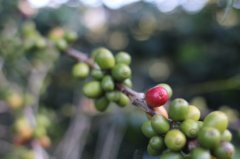
WALLENFORD- Jamaica Blue Mountain Coffee Development era
In 1728, coffee was first introduced into Jamaica. Due to the suitable soil, climate, light and other conditions in Jamaica, the quality of coffee was excellent. Andrews expanded to other areas; in 1737, Jamaican coffee production reached 83000 pounds per year; over the next 40 years, numerous private landowners appeared, until 1800, when there were 686coffee farms in Jamaica.
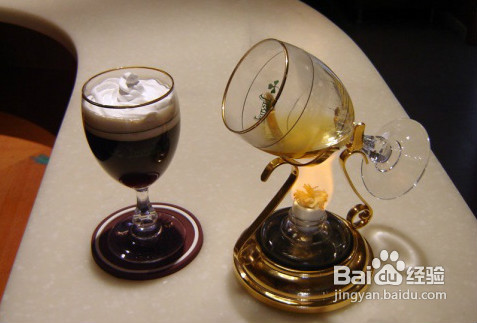
An introduction to the unique sour, bitter, sweet and mellow taste of Jamaican Blue Mountain Coffee.
The earliest coffee on the island of Jamaica came from Haiti in Latin America in 1728. By 1790, some coffee farmers among the refugees in exile from Haiti had settled in the Blue Mountains and brought coffee-growing technology here. In 1838, Jamaica abolished slavery and allowed liberated slaves to cultivate their own land. Free slaves moved to the mountains to specialize in planting.