
"1750"
2476 article(s) found

Kenya washing AA Klinga production area Cabaret hole fish processing plant fine coffee beans grind and bake
Country: Kenya Grade: AA production area: Klinaga production area altitude: 1550-1750 m soil quality: red Phosphoric Acid soil treatment: Kenyan double washing treatment Variety: SL 28, SL 34 treatment Plant: hole Fish treatment Plant producer: Cabaret Cooperative Flavor: grapefruit Green Tea, Citrus, Black Plum, located in East Africa, Kenya is one of the major coffee producing countries.

Kenya hole fish drink the price of Kenyan coffee beans correctly
For the exchange of professional baristas, please follow the coffee workshop (Wechat official account cafe_style) country: Kenya Grade: AA production area: Klinaga production area altitude: 1550-1750 m soil quality: red Phosphoric Acid soil treatment method: Kenyan double washing treatment Variety: SL 28, SL 34 treatment Plant: hole Fish treatment Plant producer: Cabaret Cooperative Flavor: grapefruit Green Tea

Kenya washes fine coffee beans from Cabaret hole fish processing plant in AA Klinaga area.
This Kenyan branch comes from the Kabare cooperative hole fish treatment plant in Khabare, Kenya. It uses Kenyan double washing method and grows in Manyata-Enbu County on the eastern slope of the Kenyan Mountains from 1550 to 1750. The variety is the classic Kenyan SL28,SL34, coupled with the large temperature difference between day and night, as well as the red phosphate soil in Kenya, making sweet and sour the main part of this Kenyan branch.

90 + single bean coffee bean classification standard and rule flavor description planting history planting producing area
For professional baristas, please pay attention to the unique flavor classification and password classification of Ninety plus in coffee workshop (Wechat official account cafe_style). Ninety Plus coffee is classified according to the intensity of fruit flavor, which is different from that of traditional washing (Washed), honey treatment (Honey) and solarization (Natural). It is also W2, H2, N2, but different treatments.

90% + coffee flavor spectrum
For the exchange of professional baristas, please follow the coffee workshop (Wechat official account cafe_style) Ninety Plus Coffee, a boutique coffee supplier from the United States, the company was founded in 2006, in the decade since its inception, 90 + has made the coffee industry all over the world realize its unique charm and led the unprecedented boutique coffee craze in the world.

Information on the producing area of bluebells manor in El Salvador the flavor characteristics of Kenyan and bourbon coffee
For the exchange of professional baristas, please follow the coffee workshop (Wechat official account cafe_style) El Salvador La Campanula Estate brief description of October 2017, bluebell manor Kenya and bourbon species! Vanilla plant and sweet lime juice aroma, not to be missed! There are big trees on the side of the green lake, the cool breeze gently caresses the cheek, and the sweet fruit aroma of the nearby vineyard accompanies it.

Antigua Coffee, Guatemala
Coffee was introduced to Guatemala in 1750 by Father Jesuit, and German colonists grew the coffee industry here at the end of the 19th century. Today, most of the coffee industry is produced in the south of the country. Guatemala has seven major coffee-producing regions: Antigua, Coban, Lake Atitlan and Huehueten
Toarco Kalossi Toraja, native species of coffee bean Sulawesi
Toarco Kalossi Toraja, the native species of Sulawesi, began to grow coffee (old trees) in this special volcanic terrain in 1750. the coffee beans and appearance are similar to Mantenin in Sumatra, beautiful and full-bodied, with a more fresh aroma! Many Japanese experts describe her as sweet like single malt whisky, with a rich nutty flavor and a smooth taste.
Guatemala Coffee Bean Roast Latitha Manor
Coffee was really introduced into Guatemala in 1750 by Father Jesuit, where the coffee industry was developed by German colonists at the end of the 19th century. Today, most of the coffee industry's production takes place in the south of the country. There are seven main coffee producing areas in Guatemala: Antigua, Coban, Atitlan and Huehuete.
The flavor of Guatemalan coffee beans Central and South America coffee beans Guatemala
Coffee was really introduced into Guatemala in 1750 by Father Jesuit, where the coffee industry was developed by German colonists at the end of the 19th century. Today, most of the coffee industry's production takes place in the south of the country. There are seven main coffee producing areas in Guatemala: Antigua, Coban, Atitlan and Huehuete.
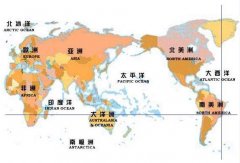
What are the seven coffee producing areas in Guatemala? what is the flavor of fine Guatemalan coffee?
Coffee was really introduced into Guatemala in 1750 by Father Jesuit, where the coffee industry was developed by German colonists at the end of the 19th century. Today, most of the coffee industry's production takes place in the south of the country. There are seven main coffee producing areas in Guatemala: Antigua, Coban, Atitlan and Huehuete.
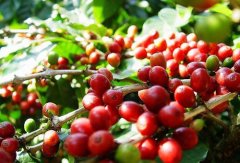
La Tisa Manor, Farahan Plateau, Guatemala
Country: Guatemala Grade: SHB production area: Fraijanes,Guatemala City altitude: 1675 m Harvest time: October to February next year treatment: washing varieties: bourbon, Kaddura processing Plant: Latitha Manor Flavor: black tea, floral, rich caramel coffee was really introduced to Guatemala in 1750, introduced by Father Jesuit at the end of the 19th century
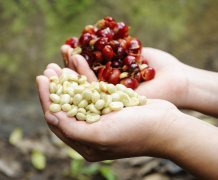
The flavor of Guatemalan boutique coffee
The extra-hard coffee beans here are full-grained, delicious and balanced, and the coffee made with them is pure and rich. Guatemala coffee once enjoyed a reputation as the best quality coffee in the world, but its quality also declined for a time. What is gratifying, however, is that its reputation is gradually being restored. In 1750, Father Jesuit introduced coffee trees to Guatemala, at the end of the 19th century.

Guatemala boutique coffee beans
The extra-hard coffee beans here are full-grained, delicious and balanced, and the coffee made with them is pure and rich. Guatemala coffee once enjoyed a reputation as the best quality coffee in the world, but its quality also declined for a time. What is gratifying, however, is that its reputation is gradually being restored. In 1750, Father Jesuit introduced coffee trees to Guatemala, at the end of the 19th century.

Black tea flowers flavor La Tisa Manor in the Farahan Plateau of Guatemala
Coffee was really introduced into Guatemala in 1750 by Father Jesuit, where the coffee industry was developed by German colonists at the end of the 19th century. Today, most of the coffee industry's production takes place in the south of the country. There are seven main coffee producing areas in Guatemala: Antigua, Coban, Atitlan and Huehuete.
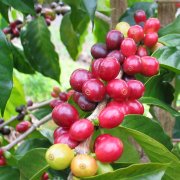
Clinique (Tchembe) N2 L7 Ninety + Ethiopia, Yirgacheffe
Origin of the name: Although 2013 Tchembe is derived from yega sherphine, the name is derived from the haricho and bolo varieties of coffee in the Amaro Mountains, which when sun-cured have carob and banana flavors. Tchembe coffee has earthy and chocolate-like heaviness, as well as rich citrus and berry flavors. Origin 90 + Ethiopia

Flavor of basil herbs from Ninety producing area + Achira (Achilla) region of Ethiopia
Hachira N2 L12 originates from the Aricha (Achila) production series developed with S.A.Bagersh in 1990 + 2006-2008. Name this coffee Hachira. Hachira coffee juice is distinctive and floral, usually with elderberry or BlackBerry flavors, and sometimes basil herbs

Amazing peach flavor 90 + the wind of cream milk chocolate in Ethiopia Wellega and Sidama production areas
Producing area 90 + Ethiopia, Wellega (Waliga) and Sidama (Hidamo). In the treatment of 1750 2000m above sea level, the sun flavor is clean, with the flavor of peach, berry, passion fruit, cream and milk chocolate. CoffeeReview score: 96 pts http://www.coffeereview.com/review.cfm?ID=2928 annual bake

Clinique (Tchembe) N2 L7 90 + Ethiopian Yirgacheffe (Yega Snow)
Origin 90 + Ethiopia, Yirgacheffe (Yega Xuefei) producing area. In the treatment of 1750 2000m above sea level, the entrance of the sun flavor is obvious, with the taste of soil, dark fruit and slight citrus flavor. CoffeeReview score: 4 pts year: 2013 Baker: Barrington Coffee Roasting Co. Link: http://ww

Konga Konga Cooperative Yega Ethiopia Boutique Coffee African
The coffee garden with an altitude of more than 1500 meters has formed a unique coffee terroir after more than a thousand years of evolution and adaptation. Ethiopian coffee grown in natural wild environment is called wilderness coffee, which retains the most primitive and natural taste of coffee beans and has the most direct and full expression of terroir. Konga Konga Cooperative (1750-2300 m) Production area: Gedeo-Ye