
"1750"
2476 article(s) found
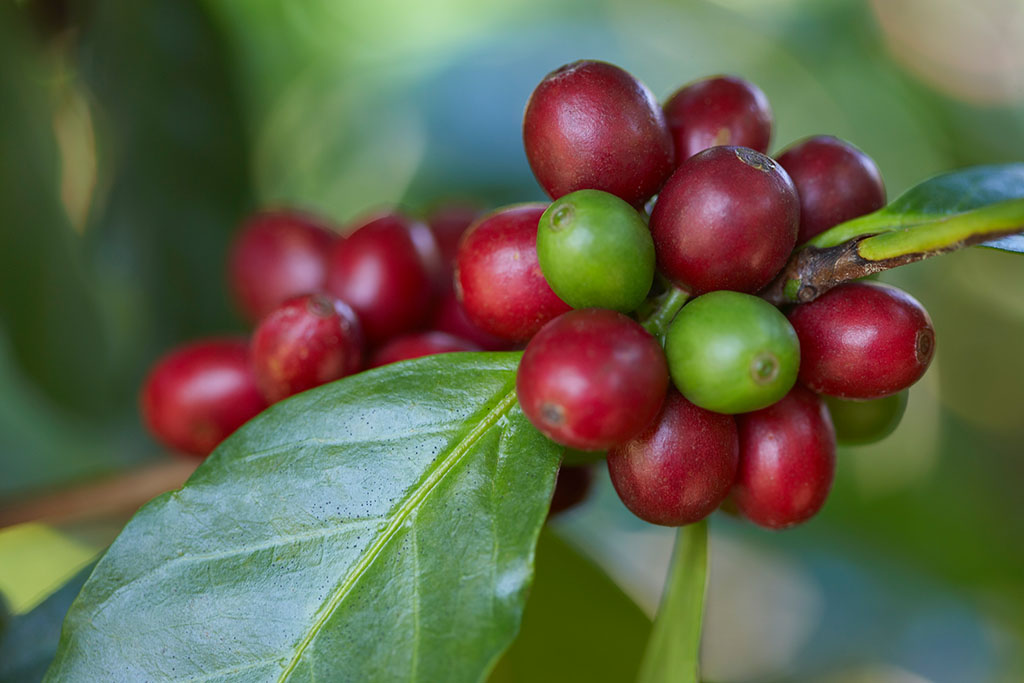
Hafursa Cooperative Yega Xuefei African Fine Coffee native coffee species of Ethiopia
The coffee garden with an elevation of more than 1500 meters has formed a unique coffee style after more than a thousand years of evolution and adaptation. Ethiopian coffee grown in the natural wild environment is called wilderness coffee, which retains the most primitive and natural taste of coffee beans and has the most direct and full expression of the local environment. Hafursa cooperative (1750-2300 meters) belongs to the producing area: Gedeo- Yega

Koke Cook Cooperative Ethiopian Coffee Cooperative Fine Coffee
Annual output of raw coffee beans: 457000 kg average farm size: maximum 4 hectares, annual yield of about 699kg per hectare all treatment equipment certificate: Fair Trade Fair Trade, Organic Organic Coffee Koke Cook Cooperative (1750-2300 m) producing areas: Gedeo- Yega Xuefei members: 828people Land attribute: red brown soil can provide a group of treatments
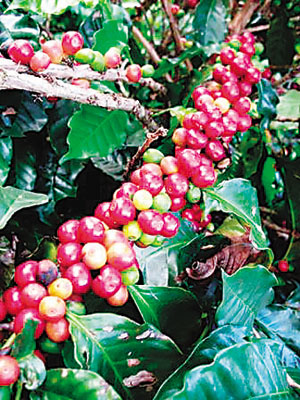
Ethiopian Coffee Edido Ediot Cooperative African Yega Sheffield Ethiopian Coffee
Production area of Edido Edidot Cooperative (1750-2300 m): Gedeo- Yega Xuefei members: 1044 people Land attribute: red brown soil can provide a set of treatment equipment certificates: Fair Trade Fair Trade, Organic organic coffee processing plant screening available berries, directly placed on the shelf exposure, just a few days before the sun will be turned every 2-3 hours to prevent excessive hair

African Aramo Cooperative body thick and lasting 90 + Clinique producing area
Flavor description: light fermented wine, jujube, sweet orange tonality, dark berries, litchi, carambola, peach, peach, longan jujube, honey sweet, cocoa with a hint of spice, body thick and lasting Aramo Cooperative (1750-2300 m) (90 + Clinique producing area): Gedeo- Yega Snow members: 2254 people Land attribute: red brown soil can provide
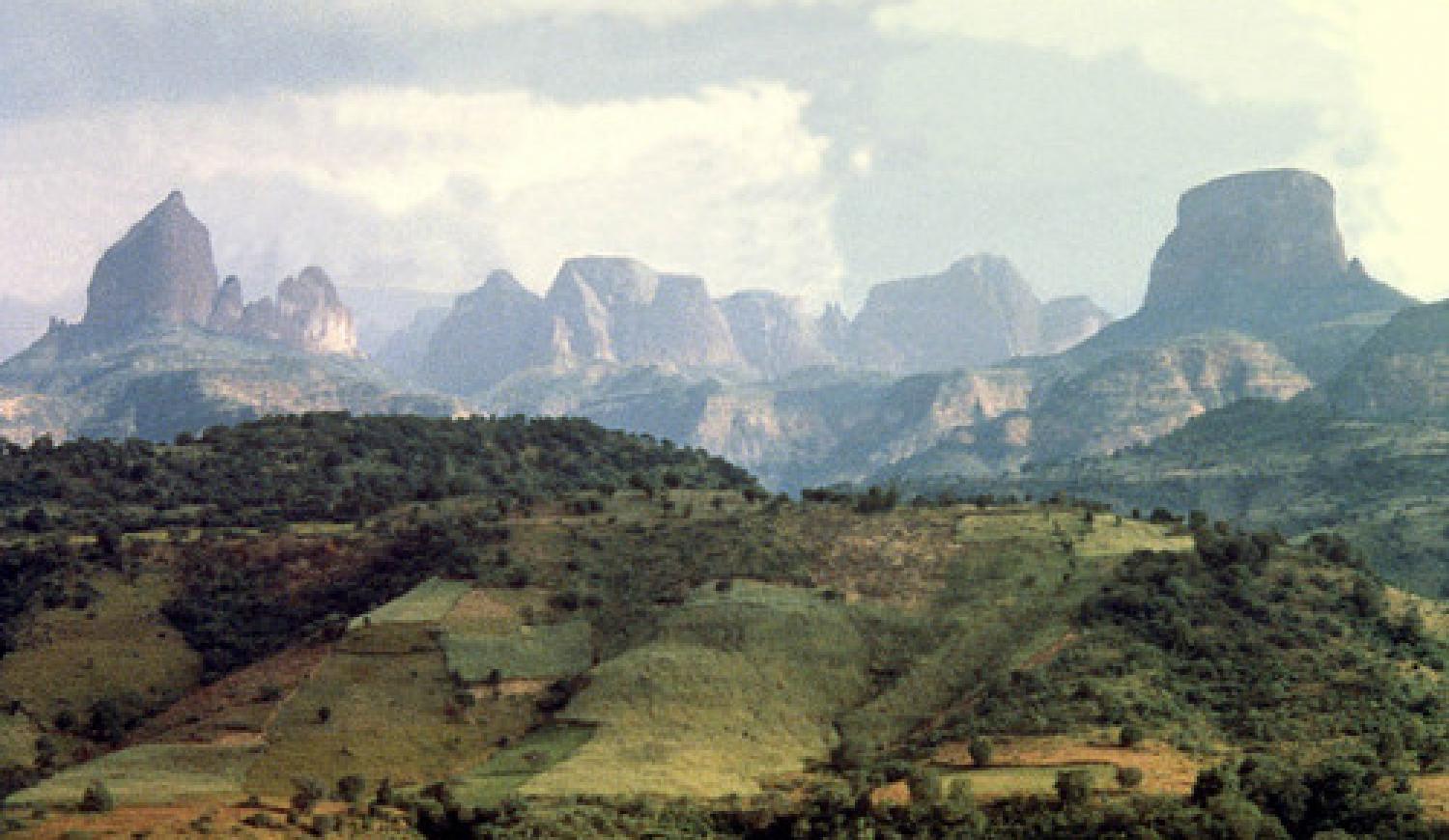
Flavor of 90 + Coffee Bean Hachira N2 L12 basil herbs
Originated in 90 + 2006-2008 with S.A.Bagersh development of Aricha (Achilla) production series. Name this coffee Hachira. Hachira coffee juice has a distinctive floral flavor, usually with elderberry or BlackBerry flavors, and sometimes with basil herbs. Producing area 90 + Ethiopia, Achira (Achilla) producing area
Clinique (Tchembe) N2 L7 90 + Ethiopia Yega Snow Citrus with rich layers
Tchembe N2 L7 / Clinique (Tchembe) N2 L7 Tchembe N2 L7 Tchembe N2 L7 the name comes from haricho and bolo coffee varieties in the Amaro Mountains, which have the flavors of carob beans and bananas, although the 2013 Tchembe is made from Yega Chet. Tchembe coffee is similar to clay and chocolate.

Flavor description of Burundian coffee beans introduction of varieties treated in manor area
Flavor description of Burundian coffee beans taste manor production area variety introduction: Burundian growth: 1750 m production area: Kayanza Kabuye roasting degree: moderate roasting treatment: traditional wet treatment varieties: bourbon seed treatment plant: Pennjia treatment plant flavor: citrus acid, lemon, orange, almond aroma Burundian coffee chaos has been maintained

Do candles describe the taste characteristics of Sidamo or Yega Snow Coffee beans?
Drima Zede Candlestick Candlestick description Taste characteristics of Drima Zede Coffee beans Candlestick Candlestick Candle Origin: Sidamo, Ethiopia altitude: 1750-2000 treatment: solarization Drima Zede (candle, the name of Yega Xuefei) means Best Approach in the local dialect

Traditional Wet treatment of Burundian Fine Coffee beans by Kayanza Kabuye in Panjia treatment Plant
Country: Burundian growth: 1750 m production area: Kayanza Kabuye Baking degree: moderate Baking treatment: traditional Wet treatment Variety: bourbon seed treatment Plant: Parma treatment Plant Flavor: citrus Acid, Lemon, Orange, Almond aroma Burundi this is the first time we have introduced this coffee from the Blair treatment Plant.

The processing method of Panama candle coffee beans
Ethiopia Sun-baked Sidama at LevelupName: Drima ZedeOrigin: Ethiopia Sidama Altitude: 1750-2000 Ethiopia Sun-baked Beans, CandlesAfter strict supervision and selection, it avoids the annoying soil odor and high bad rate of common sun-baked beans. On the contrary, it highlights the sun treatment method for

Ethiopia 90 + Candle Mang Coffee beans Flavor characteristics, taste and aroma description of Brazilian Ethiopian coffee
Professional barista exchanges please follow the coffee workshop (Wechat official account cafe_style) LEVEL UP 90 + Candle Kingdom Home: Ethiopia Ethiopia production area: 90+SNNP, Sidama (Sidamo) Haiba: 1750-2000 m treatment: sun treatment Natural Process species: Ethiopian native species Ethiopian Heirloom shallow roasting

Introduction to the taste and flavor of 90 + Romeki, the source of the name.
Romic Origin: 90 + Ethiopian varieties: MixedHeirloom mixed native species altitude: 1750-1900m treatment method: washing flavor: lemon sugar, green tea, almonds, crisp

Comparative introduction of LEVEL UP90+ Candle Series and Nekisse Flavor of Sidamo Coffee
For professional baristas, please follow the Coffee Workshop (official Wechat account cafe_style) LEVEL UP 90 + Candlestick country: Ethiopia Ethiopia producing area: 90+SNNP, Sidama (Sidamo) altitude: 1750-2000 m treatment method: sun treatment Natural Process varieties: Ethiopian native species Ethiopian Heirloom shallow baking Light Ro

What on earth is a candle?
Professional coffee knowledge exchange more coffee bean information please follow the coffee workshop (Wechat official account cafe_style) what is a candle? Guojia: Ethiopia region: 90+SNNP, Sidama (Sidamo) Haiba: 1750-2000 m treatment: sun treatment species: Ethiopian native species shallow baking flavor: floral aroma, nectarine, tropical

Introduction to the flavor characteristics of Costa Rican coffee treated with Costa Rican red wine
Professional coffee knowledge exchange more coffee bean information please follow the coffee workshop (Wechat official account cafe_style) Costa Rica Red Wine treatment Costa Rica: Xiyu height: 1750m Red Wine treatment Grade: SHB Kaddura Kaduai: description: berry, nutty, taffy, juice finish. One of the Costa Rican Micro Mill Revolution

Ethiopian Coffee beans | Ethiopian Coffee producing areas | Yedamei Cooperative
Professional coffee knowledge exchange more coffee bean information please follow the coffee workshop (Wechat official account cafe_style) Ethiopian coffee Yega Xuefei G1 Adamei Ethiopia Yirgacheffe G1 Washed Adame Gorbota ■ country: Ethiopia ■ coffee producing area: Vanaguo ■ altitude: 1750m ■ treatment: washed ■ grade: G1 ■

Kenya Managua AB Flavor characteristics| Kenya Murang'a
Muranga Muranga is part of the Central Province, an area of about 100,000 coffee farmers, located between Nyeri and Thika. The volcanic soil here makes the quality of the coffee exceptionally fine. Altitude: 1750 m Coffee variety: SL28, Ruiru11, Batian Coffee grade: AB Processing: washing Harvest: March-April, September-October Kagumoini washing plant This

Costa Rican Coffee | what's the flavor of Golden Church Coffee in Tarazhu area?
Tara Pearl producing area-Golden Cathedral Variety: mostly Kaddura Caturra Grade: SHB producing area: Tarazhu producing area altitude: 1600 ~ 1750m Refining method: anaerobic Solar treatment reference Flavor: the unique flavor of this small batch of wine, cinnamon and dried fruit comes from its special processing method-anaerobic solarization treatment; this process is strictly manual.
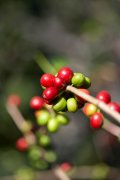
Rich citrus and pulp in Tchembe N2 L7Yirgacheffe (Yega Snow) producing area
Origin of the name: although the 2013 Tchembe is made from Yega Chet, it is named after haricho and bolo coffee from the Amaro Mountains, which are tanned with carob and banana flavors. Tchembe coffee has a thick feel similar to clay and chocolate, as well as rich layers of citrus and berry flavors. Ninety of origin + Ethiopia

Guatemala boutique coffee Vivetnam fruit producing area coffee bean boutique coffee origin
Guatemala is a presidential republic in Central America, located in the south of the North American continent. It is bordered by the Pacific Ocean to the west, the Caribbean Sea to the east, Mexico to the north and Honduras and El Salvador to the southeast. Coffee was really introduced into Guatemala in 1750 by Father Jesuit, and the coffee industry was developed by German colonists at the end of the 19th century.