
"1959"
651 article(s) found

History of introduction and expansion of Coffee in China in the early stage of Coffee Development (5)
1. From the first peak period of the development of China's coffee industry (1952-1961) to the late 1940s, according to recorded figures, there are 2173.33 hectares of rubber plantations in Hainan Island, with a total of 867600 rubber trees, with an annual output of 199,000 tons of dry rubber, and more than 300,000 coffee plants. the annual output of coffee beans is 1 ton. According to a survey in the early 1950s, there was a large amount of coffee left in Fushan area of Chengmai County, with a total of 70,000.

History of introduction and expansion of Coffee in early China (5)
1. From the first peak period of the development of China's coffee industry (1952-1961) to the late 1940s, according to recorded figures, there are 2173.33 hectares of rubber plantations in Hainan Island, with a total of 867600 rubber trees, with an annual output of 199,000 tons of dry rubber, and more than 300,000 coffee plants. the annual output of coffee beans is 1 ton. According to a survey in the early 1950s, there was a large amount of coffee left in Fushan area of Chengmai County, with a total of 70,000.

Description of the Flavor of Yejia Coffee Coffee beans introduction to the Grinding scale of varieties produced in the Manor
Description of the flavor of Yejia Coffee Coffee beans in the manor area the variety grinding scale introduced that the Yega Snow Coffee producing area began to try the water washing method in 1959. After 1970, the jasmine scent of Yega was washed, and the taste of lemon and citrus was popular in Europe and America. It has become a model of fine beans in Africa, and the sun treatment is gradually drifting away from Chevy. However, there are always people who will miss the wonderful wine in the sun without a trace.

Introduction to the species of Coffee trees
Catimor Katim (Timor and Caturra hybrid). Was found in Portugal in 1959. The palate is obvious and easy to distinguish, bitter acid with a bit of astringency, and the finish is often salty. It is a high-yield variety with high planting density and strong resistance to leaf rust. Timor Timm (a hybrid of Arabica and Robusta found in East Timor, but closer to Arabica because of its infection

Coffee planting History of Coffee introduction and expansion in China in the early stage (5)
1. From the first peak period of the development of China's coffee industry (1952-1961) to the late 1940s, according to recorded figures, there are 2173.33 hectares of rubber plantations in Hainan Island, with a total of 867600 rubber trees, with an annual output of 199,000 tons of dry rubber, and more than 300,000 coffee plants. the annual output of coffee beans is 1 ton. According to a survey in the early 1950s, there was a large amount of coffee left in Fushan area of Chengmai County, with a total of 70,000.
The History of Coffee introduction and expansion in China in the early stage (5)
1. From the first peak period of the development of China's coffee industry (1952-1961) to the late 1940s, according to recorded figures, there are 2173.33 hectares of rubber plantations in Hainan Island, with a total of 867600 rubber trees, with an annual output of 199,000 tons of dry rubber, and more than 300,000 coffee plants. the annual output of coffee beans is 1 ton. According to a survey in the early 1950s, there was a large amount of coffee left in Fushan area of Chengmai County, with a total of 70,000.

Katim Coffee characteristics _ Katim Coffee beans English Catimor_ Katim Coffee Price of half jin
Professional coffee knowledge exchange more coffee bean information Please follow the coffee workshop (Wechat official account cafe_style) people crossbreed Arabica seeds with Robusta coffee seeds in order to make use of Luodou's robust and high-yielding genes; there are also natural hybrid varieties that have been screened to produce excellent ones for planting. And then backcross hybrids for many generations, trying to cultivate both delicious and sturdy

Introduction to the grinding scale of the treatment method in the producing area of the manor
Yega snow coffee flavor characteristics manor production area treatment grinding scale introduction in 1959 Yega snow coffee production area began to try water washing treatment, after 1970 washing Yega jasmine, lemon and citrus flavor popular in Europe and the United States, has become a model of African boutique beans, sun treatment is gradually drifting away from Shifei. However, there will always be people who will miss the feeling of the wonderful wine in the sun, 2006

What kind of varieties does Katim belong to? is there any kind of domestic coffee grown in Yunnan?
What kind of Catimor do you grow in Yunnan? is there any kind of domestic coffee? in 1959, the Portuguese mixed Brazilian Kaddura and Timo to cultivate the disease-resistant Katim / Katimo, which is now an important variety of commercial beans. Coffee is a short-day plant. Coffee has the characteristics of multiple flowering and concentrated florescence. Small seed coffee in the cloud

Coffee Katim is not Yunnan Coffee Katim | characteristics of Yunnan small Coffee Katim
Professional coffee knowledge exchange more coffee bean information please follow the coffee workshop (Wechat official account cafe_style) Catimor (also known as Katim), its taste is easy to distinguish, bitter, sour taste is obvious, and with astringent taste. It has the advantages of strong resistance to leaf rust, large shed surface and high yield. Cartimo is one of the coffee discovered and cultivated by the Portuguese in 1959.
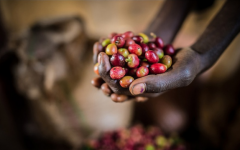
Treatment method of grindability and baking degree of Essel sun Yega Sheffield G1 Jieti Pwauka boutique coffee beans
Ethiopia Natural Yirgacheffe Gedeb Woka G1 country: Ethiopia grade: G1 production area: Gedeb Jettip baking degree: light baking method: insolation in 1959, South American water washing was introduced into the Yegashifi producing area, and most producing areas are generally treated with water washing, that is, the coffee fruit is peeled, and the pectin layer is removed after fermentation and washing.
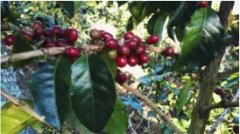
A hybrid between Arabica and Robusta [Catimor] Katimo and its branches
The exchange of professional baristas please pay attention to the coffee workshop (Wechat official account cafe_style) the interspecific hybrid between Arabica and Robusta [Catimor] the hybrid between Katimo Caturra and Timor. It was discovered in Portugal in 1959. The palate is obvious and easy to distinguish, the bitter acid is a little astringent, the aftertaste is often salty, and there is low acidity in Robusta in the Timo family.

Burundi Coffee Flavor Variety Production Characteristics Boutique Coffee Farm Introduction
Le Parti de lUnit pour le Prés National-UPRONA (Party for Progress and Unity of Nations), founded in January 1959, is the largest Tutsi political party. After independence, the government was in power for a long time. After losing the multiparty elections in June 1993, he lost his ruling party status. After Buyoya returned to power in 1996, there was a split in the party, with radical groups opposing Buyoya's ethnic and political views.

Introduction to the fresh and bright taste of the planting environment and flavor in the growing area of Ye Jia Xuefei Adoudo Coffee Manor.
In 1959, the Yega snow coffee producing area began to try the water washing method. After 1970, the jasmine fragrance of Yega was washed, and the lemon and citrus flavor was popular in Europe and America. It became a model of fine beans in Africa, and the sun treatment was gradually drifting away from Shifei. However, there are always people who will miss the feeling of the wonderful wine in the sun, the improved sun in 2006, and the second gold medal held in Ethiopia.

The characteristics of Katimo Coffee Cafe Coffee Cafe Coffee Coffee Cafe Coffee Cafe Cafe Coffee Cafe Coffee Coff The taste of Katimo coffee
Professional coffee knowledge exchange more coffee bean information please pay attention to the coffee workshop (Wechat official account cafe_style) Coffee tree is a shrub, botanically it belongs to the Rubiaceae family (Rubiaceae) of the genus Coffea, with more than 6000 species belonging to more than 500 genera. Although 25 to 100 of them have been questioned whether they should be included in the Coffea. Most of the raw beans with economic value belong to C.

The Lutesilo producing area of the western province of Rwanda coffee beans with bright sour fruit taste.
Catimor Katim (Timor and Caturra hybrid). Was found in Portugal in 1959. The palate is obvious and easy to distinguish, bitter acid with a bit of astringency, and the finish is often salty. It is a high-yield variety with high planting density and strong resistance to leaf rust. Timor Timm (a hybrid of Arabica and Robusta found in East Timor, but closer to Arabica because of its infection

Coffee roasting starting point Douliu starts inheritance plan
The starting point of Taiwanese coffee roasting is Douliu! Douliu Coffee Factory, established in 1959, was the only bean baking factory in Taiwan at that time. Although it has disappeared in the flood of time, the enthusiasm for inheriting the aroma of magic beans is still circulating here. In 2017, under the support of Chen Shouyi, the first generation roaster of coffee factory, Douliu Coffee Roasting Society will be established soon, gathering old experience and new vitality.
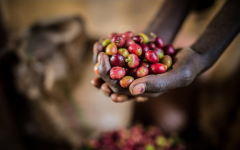
The story and allusions of Esther sunning the boutique coffee beans of Jejopwauka G1
Communication of professional baristas Please pay attention to the Coffee Workshop (Wechat official account cafe_style) in 1959, South American water washing was introduced into the Yega Xuefei producing area. Most producing areas generally use water washing treatment, that is, after the coffee fruit is peeled, the pectin layer is removed after fermentation and washing process, and then air-dried. Since 2006, some coffee processing plants in some producing areas have adopted exquisite elevated shed days.
Geographical indications are of great significance to Colombian coffee.
In 1959, only 4% of Americans knew about Colombian coffee, and now 92% do. The credit for bringing Colombian coffee to the world is the Colombian National Federation of Coffee growers. On the occasion of the World Geographical indications Congress in Beijing, the reporter interviewed Luis Fernando Sambel, president of the International Association of Geographical indications, who is also a national coffee grower in Colombia.

Katim single bean coffee bean planting history planting area distribution flavor description variety
Professional barista exchange please pay attention to the coffee workshop (Wechat official account cafe_style) Katim (Catimor Katim) in order to improve the bad reviews of the poor test of the Kadim (Catimor Katim) cup, in recent years botanists from various countries have turned back to Alabica and Katim interbreeding for many generations, trying to reduce the Robusta pedigree while improving Arabica's