
"19th"
2000 article(s) found

Coffee planting conditions Coffee planting techniques in China
In the 19th century, coffee was grown almost all over the country, followed by a coffee boom that lasted nearly a century. The extensive cultivation of coffee has brought wealth and prosperity to Brazil. At the beginning of the 20th century, Brazil accounted for more than 75% of the world's total coffee production, thus winning the reputation of the coffee kingdom. Coffee is one of the important pillars of Brazil's national economy. The whole country
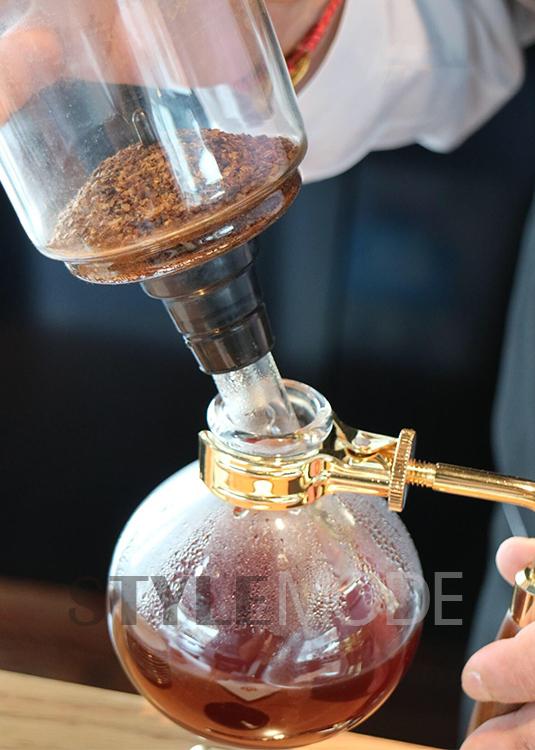
New information on domestic coffee competition: the 4th Pu'er Cup siphon Pot Competition landed in Beijing
The finals of the WSC (World Siphonist Championship) World siphon Pot Competition are held in Japan every September. Outstanding contestants from all over the world gather here to exchange skills, through smooth movements and rich coffee knowledge, while showing their coffee heritage, while transmitting their own elegant demeanor and connotation to the world. It is a very expressive and ornamental top in the coffee industry.

Out of Africa, Kenyan coffee beans, fruit flavor, Kenyan aa coffee, inexpensive, excellent quality.
Professional coffee knowledge exchange more information about coffee beans Please follow the coffee workshop (Wechat official account cafe_style) entered Kenya in the 19th century, when Ethiopian coffee drinks were imported to Kenya through South Yemen. But it was not until the beginning of the 20th century that the bourbon coffee tree was saint. The Austin Mission (St.AustinMission) was introduced. Most Kenyan coffee beans grow at altitude 1.

Kenyan Coffee introduces the growing Environment
Coffee entered Kenya in the 19th century, when Ethiopian coffee drinks were imported into Kenya through southern Yemen. But it was not until the early 20th century that the Bourbon Coffee Tree was created by the St. Austen Mission (St). Austin Mission) is introduced. Kenyan coffee is mostly grown at an altitude of 1500 to 2100 meters and is harvested twice a year. To ensure that only ripe berries are picked, people must

Kenyan Coffee Culture Kenyan Coffee Development
Coffee entered Kenya in the 19th century, when Ethiopian coffee drinks were imported into Kenya through southern Yemen. But it was not until the early 20th century that the Bourbon Coffee Tree was created by the St. Austen Mission (St). Austin Mission) is introduced. Kenyan coffee is mostly grown at an altitude of 1500 to 2100 meters and is harvested twice a year. To ensure that only ripe berries are picked, people must

Introduction to the flavor of Kenyan coffee
Coffee entered Kenya in the 19th century, when Ethiopian coffee drinks were imported into Kenya through southern Yemen. But it was not until the early 20th century that the Bourbon Coffee Tree was created by the St. Austen Mission (St). Austin Mission) is introduced. Kenyan coffee is mostly grown at an altitude of 1500 to 2100 meters and is harvested twice a year. To ensure that only ripe berries are picked, people must

Characteristics of Puerto Rican coffee beans in San Pedro Manor
Professional coffee knowledge exchange more coffee bean information please follow the coffee workshop (Wechat official account cafe_style) the whole history of coffee in the Caribbean has a lot to do with the Spanish reclamation, coffee was not that important in the 18th century, the main task was to grow sugar-producing crops in the fertile valleys, and in the early 19th century (1800) the French territories were in turmoil in Europe.

For royal and aristocratic banquets: the origin of Belgian pots
Today, this article is to share with friends: for royal and aristocratic banquets: the origin of Belgian pots.

The course of Kenyan Coffee Culture Kenyan Coffee handling
Coffee entered Kenya in the 19th century, when Ethiopian coffee drinks were imported into Kenya through southern Yemen. But it was not until the early 20th century that the Bourbon Coffee Tree was created by the St. Austen Mission (St). Austin Mission) is introduced. Kenyan coffee is mostly grown at an altitude of 1500 to 2100 meters and is harvested twice a year. To ensure that only ripe berries are picked, people must
Introduction to Fine Coffee-- A brief introduction to the cultivation of Taiwan Coffee
In the 19th century, after the film festival, the British businessman "German Foreign Company" came to Taiwan to do business and found that the environment of Taiwan was similar to that of South Asia and Central and South America. In 1884 (10 years of light), Nila introduced more than 100 coffee seedlings "Arabica" and planted him in the mountains of modern Taipei. However, he was tired of kicking, and because of packaging.

Introduction to the characteristics of Kenyan Coffee Flavor description and Grinding degree treatment
Kenya AA coffee beans are adjacent to Ethiopia, the origin of Arabica coffee trees in the north of Kenya, but it was not until the beginning of the 20th century that they began to engage in coffee cultivation. In the 19th century, missionaries introduced Arabica trees from the leaves, but did not plant them in large quantities. It was not until 1893 that coffee was cultivated on a large scale after the introduction of Brazil's ancient "bourbon" coffee seeds. In other words, the eye

Aromatic, full-bodied Rwandan coffee flavor Taste Manor characteristics Fine coffee Introduction
Clans began to coalesce into kingdoms in the 15th century, and by 1700 there were eight kingdoms in Rwanda. The Kingdom of Rwanda, ruled by the Tutsi Nyiginya clan, grew from the mid-18th century until it reached its peak in the 19th century under King Kigali IV. Between 700 BC and 1500 AD, some Bantu groups migrated to Rwanda, clearing forests for seed production

Rich and full-bodied flavor of Rwandan coffee description of grinding degree of taste introduction to the methods of variety treatment
Clans began to form kingdoms in the 15th century, and in 1700 there were eight kingdoms in Rwanda. The Kingdom of Rwanda, ruled by the Tutsi Nyiginya clan, grew gradually in the mid-18th century and reached its peak under the rule of King Kigali IV in the 19th century. Between 700 BC and 1500 AD, some Bantu groups moved to Rwanda to destroy forests and open up wasteland.

Boutique coffee beans knowledge coffee producing area Kenya
Coffee entered Kenya in the 19th century, when Ethiopian coffee drinks were imported into Kenya through southern Yemen. But it was not until the early 20th century that the Bourbon Coffee Tree was created by the St. Austen Mission (St). Austin Mission) is introduced. Kenyan coffee is mostly grown at an altitude of 1500 to 2100 meters and is harvested twice a year. To ensure that only ripe berries are picked, people must

What is the difference between Arabica coffee beans and other coffee beans? Aceh 19 mesh, Sumatra, Indonesia
Arabica beans are an important kind of commercial coffee with a period of less than three years and have high-quality aroma and sour taste. Arabica coffee beans are mainly produced in South America (except parts of Argentina and Brazil), Central America, Africa (Kenya, Ethiopia, mainly East African countries), Asia (Indonesia, Yemen, India, Papua New Guinea).

Kenya Jinchu Valley Coffee Price Taste Manor Production Area Characteristics Variety Treatment Introduction
It entered Kenya in the 19th century, when Ethiopian coffee drinks were imported to Kenya via South Yemen. But it wasn't until the early 20th century that bourbon coffee trees were grown by St. Austin Mission introduced. Kenya coffee is mostly grown at altitudes of 1500- 2100 meters and harvested twice a year. To ensure that only ripe berries are picked, people must be in the forest.

Introduction to the characteristics of coffee grindability treatment in Berman Manor, Kenya
It entered Kenya in the 19th century, when Ethiopian coffee drinks were imported into Kenya through southern Yemen. But it was not until the early 20th century that the bourbon was introduced by the St. Austen Mission (St.AustinMission). Kenyan coffee is mostly grown at an altitude of 1500m, 2100m, and is harvested twice a year. To ensure that only ripe berries are picked, people must be in the forest

The most classic coffee in Hong Kong drama, ICAC invites you to drink coffee for free!
Professional coffee knowledge exchange More coffee bean information Please pay attention to coffee workshop (Weixin Official Accounts cafe_style) In Hong Kong, a cup of coffee often appears in TV series, which makes many villains change color. This cup of coffee comes from ICAC. Whenever ICAC Commissioner takes out his staff card and says he wants to invite you back for a cup of coffee, it often represents the days of villains.

Kenyan Coffee Culture starts and ends the Development of Kenyan Coffee
Coffee entered Kenya in the 19th century, when Ethiopian coffee drinks were imported into Kenya through southern Yemen. But it was not until the early 20th century that the Bourbon Coffee Tree was created by the St. Austen Mission (St). Austin Mission) is introduced. Kenyan coffee is mostly grown at an altitude of 1500 to 2100 meters and is harvested twice a year. To ensure that only ripe berries are picked, people must

Kenya Berman Estate Coffee Flavor Description Grindness Variety Features Price Roasting Record Introduction
It entered Kenya in the 19th century, when Ethiopian coffee drinks were imported to Kenya via South Yemen. But it wasn't until the early 20th century that bourbon coffee trees were grown by St. Austin Mission introduced. Kenya coffee is mostly grown at altitudes of 1500- 2100 meters and harvested twice a year. To ensure that only ripe berries are picked, people must be in the forest.