
"19th"
2000 article(s) found

The practice of fine Kenyan coffee the purchase of Kenyan coffee beans
Coffee entered Kenya in the 19th century, when Ethiopian coffee drinks were imported into Kenya through southern Yemen. But it was not until the early 20th century that the Bourbon Coffee Tree was created by the St. Austen Mission (St). AustinMission) is introduced. Kenyan coffee is mostly grown at an altitude of 1500 to 2100 meters and is harvested twice a year. To ensure that only ripe berries are picked, people must be in the forest

Introduction of boutique Kenyan coffee how much does Kenya buy Kenyan coffee?
Coffee entered Kenya in the 19th century, when Ethiopian coffee drinks were imported into Kenya through southern Yemen. But it was not until the early 20th century that the Bourbon Coffee Tree was created by the St. Austen Mission (St). AustinMission) is introduced. Kenyan coffee is mostly grown at an altitude of 1500 to 2100 meters and is harvested twice a year. To ensure that only ripe berries are picked, people must be in the forest

The characteristics of Kenyan coffee beans the origin of Kenyan coffee beans
Coffee entered Kenya in the 19th century, when Ethiopian coffee drinks were imported into Kenya through southern Yemen. But it was not until the early 20th century that the Bourbon Coffee Tree was created by the St. Austen Mission (St). AustinMission) is introduced. Kenyan coffee is mostly grown at an altitude of 1500 to 2100 meters and is harvested twice a year. To ensure that only ripe berries are picked, people must be in the forest

Characteristics of Kenyan coffee beans A brief introduction to Kenyan coffee beans
Coffee entered Kenya in the 19th century, when Ethiopian coffee drinks were imported into Kenya through southern Yemen. But it was not until the early 20th century that the Bourbon Coffee Tree was created by the St. Austen Mission (St). AustinMission) is introduced. Kenyan coffee is mostly grown at an altitude of 1500 to 2100 meters and is harvested twice a year. To ensure that only ripe berries are picked, people must be in the forest

The characteristics of Kenyan coffee beans the origin of Kenyan coffee beans
Coffee entered Kenya in the 19th century, when Ethiopian coffee drinks were imported into Kenya through southern Yemen. But it was not until the early 20th century that the Bourbon Coffee Tree was created by the St. Austen Mission (St). AustinMission) is introduced. Kenyan coffee is mostly grown at an altitude of 1500 to 2100 meters and is harvested twice a year. To ensure that only ripe berries are picked, people must be in the forest

Introduction of coffee beans Kenya coffee beans characteristics of Kenyan coffee beans
It entered Kenya in the 19th century, when Ethiopian coffee drinks were imported into Kenya through southern Yemen. But it was not until the early 20th century that the bourbon was introduced by the St. Austen Mission (St.AustinMission). Kenyan coffee is mostly grown at an altitude of 1500m, 2100m, and is harvested twice a year. To ensure that only ripe berries are picked, people must be in the forest

American Coffee History: from Cowboy Coffee to Fine Coffee
After the 19th century, coffee became an important imported commodity in the United States, and hoarding was heard of from time to time. At that time, although there was a large consumption of coffee in the United States, it did not attach importance to the quality of coffee. As long as there was caffeine, it was ridiculed as cowboycoffee. The western cowboy just needs to make a fire in the field, boil the water in the pot, add the coffee powder, bring it to a boil, remove the coffee pot, and wait for a few minutes until the coffee grounds sink.

The origin of Kenyan coffee the present situation and development prospect of Kenyan coffee!
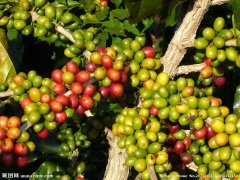
1. It originated in Kenya in the 19th century, when Ethiopian coffee drinks were imported to Kenya through South Yemen. But it was not until the early 20th century that the bourbon was introduced by the St. Austen Mission (St.AustinMission). Kenyan coffee is mostly grown at an altitude of 1500m, 2100m, and is harvested twice a year. To ensure that only ripe berries are picked, people
American Coffee History: from Cowboy Coffee to boutique Coffee
After the 19th century, coffee became an important imported commodity in the United States, and hoarding was heard of from time to time. At that time, although there was a large consumption of coffee in the United States, it did not attach importance to the quality of coffee. As long as there was caffeine, it was ridiculed as cowboy coffee. The cowboy only needs to make a fire in the field, boil the water in the pot, add the coffee powder, bring it to a boil, remove the coffee pot, wait for a few minutes, and wait for the coffee.

The planting method of Kenyan coffee beans the characteristics of Kenyan coffee beans
Coffee entered Kenya in the 19th century, when Ethiopian coffee drinks were imported into Kenya through southern Yemen. But it was not until the early 20th century that the Bourbon Coffee Tree was created by the St. Austen Mission (St). AustinMission) is introduced. Kenyan coffee is mostly grown at an altitude of 1500 to 2100 meters and is harvested twice a year. To ensure that only ripe berries are picked, people must be in the forest

Flavor characteristics of African Kenyan coffee bean producing areas an introduction to the history of Kenyan coffee culture
Coffee entered Kenya in the 19th century, when Ethiopian coffee drinks were imported into Kenya through southern Yemen. But it was not until the early 20th century that the Bourbon Coffee Tree was created by the St. Austen Mission (St). AustinMission) is introduced. Most Kenyan coffee grows at an altitude of 1500 to 210.

What is the price of Kenyan coffee? The present situation of coffee market in Kenya
For more information on coffee beans, please follow the Coffee Workshop (Wechat official account cafe_style) in 1878, the British brought coffee to Africa and set up a coffee plantation in Kenya in the 19th century, when coffee drinks from Ethiopia were imported to Kenya through South Yemen. But it was not until the beginning of the 20th century that the bourbon coffee tree was saint. Austin Mission (St

El Salvador coffee growing environment
In the 19th century, coffee was an important cash crop in El Salvador, and the government legislated to collect taxes and encourage cultivation for export; although the coffee farmers in El Salvador did not receive technical or financial assistance, they were outstanding among many coffee-producing countries in terms of the growth of production per hectare. Coffee's output value is like a locomotive, which has great influence on the infrastructure construction and light industry development of Saudi Arabia.

The main methods of growing Kenyan coffee what are the methods of Kenyan coffee
It entered Kenya in the 19th century, when Ethiopian coffee drinks were imported into Kenya through southern Yemen. But it was not until the early 20th century that the bourbon was introduced by the St. Austen Mission (St.AustinMission). Kenyan coffee is mostly grown at an altitude of 1500m, 2100m, and is harvested twice a year. To ensure that only ripe berries are picked, people must be in the forest

Characteristics of Arabica beans Coffee producer China Taiwan Coffee beans China Taiwan
In the 18th century, Taiwan, China, in 1884 (Guang Xu's 10th year), the British introduced coffee to the three Gorges in Taipei. during the Japanese occupation, the Japanese saw that Taiwan's climate and soil were suitable for coffee, so they introduced "Arabica" from abroad and successfully planted it in the north. Mizuho invested a lot in planting and had a good yield. In the 19th century, in 1941, the output was rich, and the quality and flavor were good, which made coffee in Taiwan complete.

The most recommended cafe in the world-- Le Procope
The Le Procope Cafe, located at 13 Rue Saint-Germain on the left bank, opened in 1686 and was the originator of the Paris Cafe. Many high-end figures were associated with Prokop Cafe at that time, acting as VIP-class hardcore coffee drinkers here, where Rousseau, Volt and Diderot drank coffee in the 18th century, and Zola in the 19th century.

Introduction of boutique coffee beans in coffee varieties and flavor producing areas of Berman Manor in Kenya
It entered Kenya in the 19th century, when Ethiopian coffee drinks were imported into Kenya through southern Yemen. But it was not until the early 20th century that the bourbon was introduced by the St. Austen Mission (St.AustinMission). Kenyan coffee is mostly grown at an altitude of 1500m, 2100m, and is harvested twice a year. To ensure that only ripe berries are picked, people must be in the forest

Introduction to the quality and taste of jasmine-flavored Guatemalan coffee flavor description
Coffee-flavored coffee was really introduced into Guatemala in 1750 by Father Jesuit, and the coffee industry was developed by German colonists at the end of the 19th century. Today, most of the coffee industry's production takes place in the south of the country. There are seven major coffee producing areas in Guatemala, and the flavor of coffee produced in each region is different, but to sum up, Guatemala

The coffee shop in Rome appreciates the time travel to Rome to see the old coffee shop design and enjoy the coffee.
Among the many ancient cafes in Rome, the most famous is the Greek cafe Antico Caff Greco. The cafe, located on Via dei Condotti Street, is the second oldest cafe in Italy, second only to the Florian Cafe in Venice. Antico Caff Greco was founded in 1760 and is called the ancient Greek cafe because the first owner of the cafe

Characteristics of Kenyan coffee beans introduction of Kenyan coffee beans the origin of Kenyan coffee beans
Coffee entered Kenya in the 19th century, when Ethiopian coffee drinks were imported into Kenya through southern Yemen. But it was not until the early 20th century that the Bourbon Coffee Tree was created by the St. Austen Mission (St). AustinMission) is introduced. Kenyan coffee is mostly grown at an altitude of 1500 to 2100 meters and is harvested twice a year. To ensure that only ripe berries are picked, people must be in the forest