
"300"
8361 article(s) found

You can't drink coffee with milk? Basic knowledge of coffee
According to the data, the current market size of coffee in China is about 70 billion yuan, with an annual growth rate of more than 15%. Experts predict that domestic coffee consumption will reach 300 billion yuan in 2020. At present, the per capita annual coffee consumption in China is 5 cups, which is far lower than the average of about 300 cups per capita in Japan and South Korea, and also far lower than the world average of about 240 cups. Therefore, China is becoming the world.

Bar Classical Technical Manual preparation of Common Raw Materials for Bar Classical Technology
Operation: sugar water cooking raw materials: granulated sugar or cotton white sugar use equipment: gas stove or induction cooker, snow pan, bar spoon, measuring cup operation time: 8 minutes operation procedure: 1. Confirm the amount of sugar boiled. Generally speaking, the 300ml is 1 unit (that is, 10oz), which is 1500-2000 yuan per day, and the bar is ready for flow. The specific amount of preparation is based on the surplus of sugar water and bar flow.

Introduction of Ethiopian Coffee beans Grade Analysis of Ethiopian Coffee beans
Ethiopian coffee beans are divided into five levels. The first and second stages are washed beans. Washed beans Grade1 represents 3 defective beans per 300g raw beans, and Grade2 represents 4 defective beans per 300g. Gradc1 grade water washed beans are very rare and are generally difficult to buy. At present, all the washed beans exported from Ethiopia are Grade2 grade. The quality of sun-dried beans is Grade3 and Grad in order.
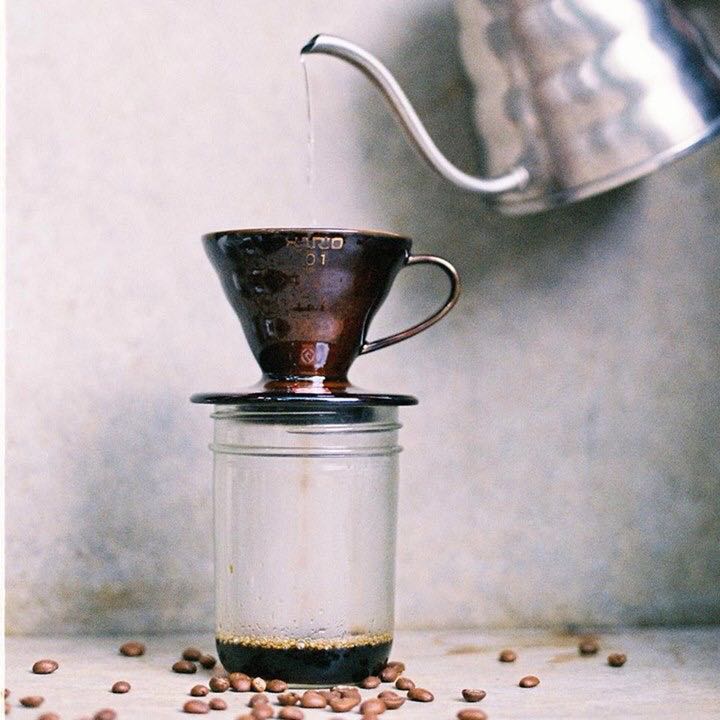
You can't drink coffee with milk? This is a misunderstanding.
According to the data, the current market size of coffee in China is about 70 billion yuan, with an annual growth rate of more than 15%. Experts predict that domestic coffee consumption will reach 300 billion yuan in 2020. At present, the per capita annual coffee consumption in China is 5 cups, which is far lower than the average of about 300 cups per capita in Japan and South Korea, and also far lower than the world average of about 240 cups. Therefore, China is becoming the world.

Grade analysis of Ethiopian coffee beans how about Ethiopian coffee? Ethiopian coffee
Ethiopian coffee beans are divided into five levels. The first and second stages are washed beans. Washed beans Grade1 represents 3 defective beans per 300g raw beans, and Grade2 represents 4 defective beans per 300g. Gradc1 grade water washed beans are very rare and are generally difficult to buy. At present, all the washed beans exported from Ethiopia are Grade2 grade. The quality of sun-dried beans is Grade3 and Grade4 in order.

The production method of washing Yega Xuefei Ethiopian coffee beans to treat coffee beans
Ethiopian coffee beans are divided into five levels. The first and second stages are washed beans. Washed beans Grade1 represents 3 defective beans per 300g raw beans, and Grade2 represents 4 defective beans per 300g. Gradc1 grade water washed beans are very rare and are generally difficult to buy. At present, all the washed beans exported from Ethiopia are Grade2 grade. The quality of sun-dried beans is Grade3 and Grad in order.
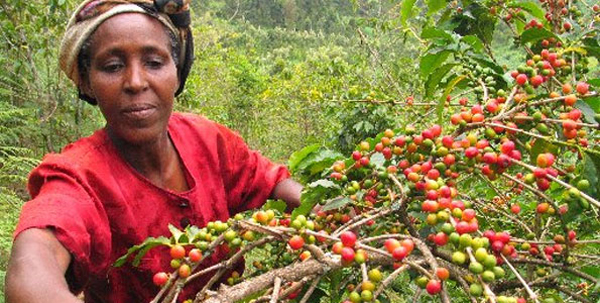
About Ethiopia coffee beans grade analysis to understand the quality of coffee beans classification
Ethiopian coffee beans are divided into five grades. The first and second stages are water-washed beans. Grade1 means 0~3 defective beans per 300 g of raw beans;Grade2 means 4~12 defective beans per 300 g. Grade 1 washed beans are extremely rare and generally difficult to buy. At present, all washed beans exported from Ethiopia are Grade2. The quality of sun-dried beans is Grade3 and Grade4 in sequence.
Grade analysis of Ethiopian coffee beans Ethiopian coffee beans are divided into five levels
Ethiopian coffee beans are divided into five levels. The first and second stages are washed beans. Washed beans Grade1 represents 3 defective beans per 300g raw beans, and Grade2 represents 4 defective beans per 300g. Gradc1 grade water washed beans are very rare and are generally difficult to buy. At present, all the washed beans exported from Ethiopia are Grade2 grade. The quality of sun-dried beans is Grade3 and Grade4 in order.

Introduction of Nicaraguan Coffee Flavor
Lake Nicaragua has more than 300 islands, the smallest of which is only a few hundred square meters. The largest island is Ometepe, which is 26 kilometers long and 13 kilometers wide and covers an area of more than 300 square kilometers. There are two volcanic cones on the island, one of which is 1610 meters high. The island also has many historical relics of Mayan culture. The lake is full of water birds, and it is rich in all kinds of saltwater fish, including crocodiles, sharks and the sea.

Grinding scale of Nicaraguan Coffee beans Variety treatment introduction to the Origin of the Manor
Lake Nicaragua has more than 300 islands, the smallest of which is only a few hundred square meters. The largest island is Ometepe, which is 26 kilometers long and 13 kilometers wide and covers an area of more than 300 square kilometers. There are two volcanic cones on the island, one of which is 1610 meters high. The island also has many historical relics of Mayan culture. The lake is full of water birds, and it is rich in all kinds of saltwater fish, including crocodiles, sharks and the sea.
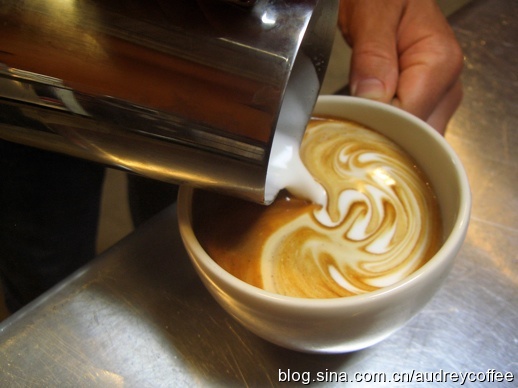
Skills of pulling flowers and beating milk foam how to make dense milk bubbles by swinging the wrist of Italian coffee
Foam is the key to the key, with good foam, the problem of flowers is not one. Use an utensil milk tank and a thermometer. Use raw milk 300ml III. Production process 1, in the milk tank to human 300ml milk (milk temperature is 4 ℃), insert thermometer 2, turn on the steam knob, put the steam in the steam pipe for 2 seconds and then turn off (the steam left at the front of the steam pipe is at rest.

Coffee in cafes contains more caffeine.
According to the Consumer Council, the caffeine content per cup of coffee in cafes is higher than that in coffee shops. The Consumer Council, in cooperation with Zhongxin Food Safety, tested 80 samples of coffee and milk tea from different restaurants in the market. It was found that the caffeine content per cup of coffee in tea restaurants was higher than that in coffee shops. Among them, there were five coffee samples in tea restaurants. The amount of caffeine consumed in one cup has exceeded 300 mg.
Hawaiian Kona Coffee
Introduce: (1) there has been a record of growing coffee on Oahu Island in 1813. By 1920, coffee production in that area can be traded commercially, while white people own most of the land. they divided the farmland into five acres as a unit to rent to tenant farmers (2) Hawaiian Coffee: according to the regulations of the Hawaiian Agricultural Department, the following products in accordance with the regulations can be called Hawaiian Coffee. 1.
Hawaiian Kona coffee beans
There was a record of growing coffee on Oahu Island in 1813. By 1920, coffee production in that area could be traded commercially, while whites owned most of the land. They divided the farmland into five acres and rented it out to tenant farmers.
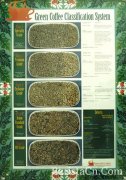
Classification of raw coffee beans
Level 1: special product defects: 0-5 do not allow to contain obvious defects total sample weight: 300 grams sample size difference: less than 5% 5% or so, or within the specified range of appreciation features: must be at least a little outstanding in the following characteristics: taste, sour taste, taste, aroma. The characteristics will be determined by both the buyer and the seller. After cup testing and appreciation, there are no defects. Baking difference
Brown sugar is best for coffee.
Coffee contains caffeine and more than 300 aromatic ingredients. Caffeine is an alkaloid that relaxes tension and repels drowsiness in small amounts, but if consumed in large amounts, it can be poisoned and cause gastritis and stomach ulcers. Vitamin A can protect the mucous membrane, skin and stomach wall, drink coffee with some cheese, eggs, butter, carrots or green leafy vegetables, etc., can supplement some vitamin A,
Knowledge of fine coffee, how to classify raw coffee beans
Level 1: special product defects: 0-5 do not allow to contain obvious defects total sample weight: 300 grams sample size difference: less than 5% 5% or so, or within the specified range of appreciation features: must be at least a little outstanding in the following characteristics: taste, sour taste, taste, aroma. The characteristics will be determined by both the buyer and the seller. After cup testing and appreciation, there are no defects. Baking difference
The method of grading coffee beans by the American boutique coffee association
Level 1: special sample size difference: less than 5% defects: 0-5 shall not contain significant defects total sample weight: 300 g sample size difference: less than 5% 5%, or in the delineated typical perimeter appreciation features: must be at least a little outstanding in the following features: taste, sour taste, taste, fragrance. Characteristics will be decided by the cooperation of both sides of the business. Through cup test and appreciation
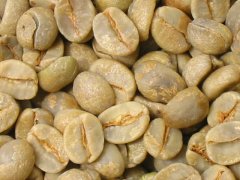
Explanation on how to classify high-quality coffee and raw beans
Level 1: special product defects: 0-5 do not allow to contain obvious defects total sample weight: 300 grams sample size difference: less than 5% 5% or so, or within the specified range of appreciation features: must be at least a little outstanding in the following characteristics: taste, sour taste, taste, aroma. The characteristics will be determined by both the buyer and the seller. After cup testing and appreciation, there are no defects. Baking difference
American Specialty Coffee Association Green Coffee Bean Classification Description
Grade 1: Excellent grade Defects: 0-5 No visible defects allowed Total weight of sample: 300 g Sample size variation: less than 5%, about 5%, or within the specified range Appreciation characteristics: Must be outstanding in at least one of the following characteristics: taste, acidity, taste, aroma. The characteristics will be determined jointly by the buyer and seller. After cup testing, there are no defects. baking error