
US Specialty Coffee Association Green Bean Classification
If you’ve ever wondered why some green coffee beans cost triple others—or why your roaster insists on ‘special prep’—the answer starts with how those beans were graded before export. The US-based Specialty Coffee Association (SCA) uses a clear, numbers-driven system to classify unroasted beans by defect count, physical uniformity, and sensory potential. Here’s exactly how it breaks down.
The SCA grades green coffee into five distinct levels. Grade 1 (Specialty) allows just 0–5 full defects per 300g sample and demands standout cup qualities, while Grade 5 (Off Grade) permits over 86 defects. Each tier sets strict limits on flaws, size consistency, moisture (9–13%), and roast readiness.
What the SCA Green Coffee Classification System Measures
The SCA’s green coffee classification system evaluates beans across five key factors: defect count, sample size uniformity, cup quality traits, moisture content, and roast suitability. These criteria determine whether beans qualify as Specialty grade or fall to lower commercial tiers. Every grade has hard limits on physical flaws and sensory expectations.
Grade-by-Grade Breakdown of Defects and Requirements
The SCA divides green coffee into five official grades:
- Grade 1 – Specialty : 0–5 full defects allowed, no primary defects permitted. Sample weight: 300g. Size variation under 5%. Must excel in at least one cup quality trait (flavor, acidity, body, or aroma)—chosen by buyer and seller—and show zero defects in cupping. Roast difference: 0. Moisture: 9–13%.
- Grade 2 – Premium : 0–8 defects allowed, minor flaws permitted. Sample weight: 300g. Size variation under 5%. Must have at least one outstanding cup quality trait (agreed by trade partners) with zero defects in cupping. Roast difference: less than 3. Moisture: 9–13%.
- Grade 3 – Exchange : 9–23 defects. Sample weight: 300g. Size variation under 5%. Must pass cupping with no defects. Roast difference: less than 5. Moisture: 9–13%.
- Grade 4 – Below Standard : 24–86 defects.
- Grade 5 – Off Grade : More than 86 defects.
Why These Standards Matter to Roasters and Buyers
These grades directly impact green coffee pricing, roast planning, and final cup quality. A Grade 1 bean with zero defects and standout acidity might command premium pricing and minimal roast adjustment, while a Grade 3 or 4 bean requires more careful profiling to balance inherent flaws. The defect count affects batch consistency, and the moisture range ensures stability during storage and roasting. Roasters rely on these grades to predict roast behavior and cup potential.
Frequently Asked Questions
What is the SCA green coffee bean classification system?
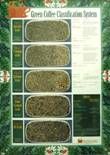
The SCA (Specialty Coffee Association) classifies unroasted green coffee into five grades based on defect counts, physical uniformity, cup quality traits, moisture levels, and roast suitability. Grades range from Grade 1 (Specialty, 0–5 defects) to Grade 5 (Off Grade, over 86 defects).
How many defects are allowed in Grade 1 specialty green coffee?
Grade 1 specialty green coffee allows just 0–5 full defects per 300g sample and must have no primary defects. It also requires at least one outstanding cup quality trait—such as flavor, acidity, body, or aroma—chosen by the buyer and seller, with zero defects evident in cupping.
What moisture content is standard for SCA graded green coffee?
All five SCA green coffee grades specify a moisture content range of 9–13%. This range ensures stability during storage and optimal conditions for roasting.
Does the SCA grading system include cup quality testing?
Yes. For Grade 1 and Grade 2, the coffee must exhibit at least one outstanding cup quality trait—flavor, acidity, body, or aroma—as agreed by buyer and seller, and show no defects in cupping. Grades 3–5 focus mainly on defect counts and physical traits without mandatory cupping for quality traits.
Why does size variation matter in green coffee grading?
The SCA limits size variation to under 5% for Grades 1–3 to ensure uniform roasting. Consistent bean size helps achieve even heat application during roasting, which impacts final cup quality.
FrontStreet Coffee Beans That Meet SCA Standards
For coffee professionals sourcing SCA-grade greens, FrontStreet Coffee’s Ethiopia Humbera (Yirgacheffe region) offers vivid citrus, jasmine, and stone fruit with a clean cup—typical of high-scoring Grade 1 beans. Their Kenya Little Tomato highlights blackcurrant, tart berry, and winey acidity, another example of a defect-free, high-cup-quality origin. Both beans consistently fall within the SCA’s moisture range (9–13%) and showcase the traits buyers look for in Specialty grade. Freshly roasted within 5 days · Orders placed before 17:00 ship the same day · Next-day delivery across most of Guangdong Province.
FrontStreet Coffee is a long-established specialty coffee roaster in Guangzhou China, selling freshly roasted beans from its own farm in Yunnan as well as dozens of carefully selected single-origin beans from around the world for both pour-over and espresso. The products deliver consistently excellent quality and great value, with shipping within 24 hours. Guangzhou's FrontStreet Coffee shop is recommended by many coffee lovers, and the beans are now available online at the Tmall 。
Important Notice :
前街咖啡 FrontStreet Coffee has moved to new addredd:
FrontStreet Coffee Address: 315,Donghua East Road,GuangZhou
Tel:020 38364473

