
"500000"
1650 article(s) found
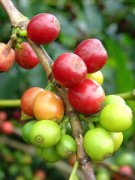
One of the ingredients of synthetic beans, Jinbi coffee, fine coffee.
Ghimbi grows in the plateau of Western Ethiopia at 4900-5900 feet (Wollega province) above sea level, north of Jima, mostly wild, with an annual output of about 500000bags/60kg, mostly exported by G5/G4, beans larger and longer than Longberry, brownish in green, similar to less jasmine tea, more bitter, lack of rising Hara, slightly sour, slightly fruity and slightly inferior to wine.

Middle-aged and elderly women should drink less coffee
With International Working Women's Day approaching, women's health has become the focus of attention. In recent years, the incidence of breast cancer is increasing year by year. Experts point out that paying attention to diet and strengthening self-examination will help to prevent breast cancer. Chen Debo, deputy director of breast surgery at Quanzhou first Hospital, said that there are about 1 million new cases of breast tumors in women worldwide every year, and 500000 people die of breast tumors.
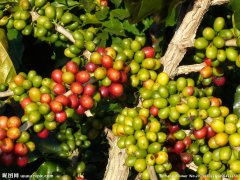
Rwanda coffee producing area China Coffee Network delicious single coffee fruit sour coffee black coffee
Coffee production in Rwanda: there are about 33000 hectares of coffee plantations in Rwanda and 500000 people are engaged in coffee cultivation. With the good natural conditions of high altitude and fertile volcanic soil, the country's fertile soil and suitable climate contribute to plant growth, and coffee trees seem to be driven or forced to grow upward, or because they grow too fast to produce the best coffee beans.
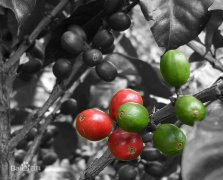
Gold is longer than West Ethiopia, and it is a material that many bakers like to use as comprehensive beans.
Ghimbi grows in the plateau of Western Ethiopia at 4900-5900 feet (Wollega province) above sea level, north of Jima, mostly wild, with an annual output of about 500000bags/60kg, mostly exported by G5/G4, beans larger and longer than Longberry, brownish in green, similar to less jasmine tea, more bitter, lack of rising Hara, slightly sour, slightly fruity and slightly inferior to wine.

Introduction to the characteristics of coffee producing areas in Rwanda
Coffee production in Rwanda: there are about 33000 hectares of coffee plantations in Rwanda and 500000 people are engaged in coffee cultivation. With the good natural conditions of high altitude and fertile volcanic soil, the country's fertile soil and suitable climate contribute to plant growth, and coffee trees seem to be driven or forced to grow upward, or because they grow too fast to produce the best coffee beans.

An introduction to the culture of fine coffee in Rwanda
Coffee production in Rwanda: there are about 33000 hectares of coffee plantations in Rwanda and 500000 people are engaged in coffee cultivation. With the good natural conditions of high altitude and fertile volcanic soil, the country's fertile soil and suitable climate contribute to plant growth, and coffee trees seem to be driven or forced to grow upward, or because they grow too fast to produce the best coffee beans.

A brief introduction to the Market Price of Honduras Fine Coffee Bean varieties in Central America
Honduran coffee comes from El Salvador. At first coffee production was in a state of unavoidable heat until the frost in Brazil in 1975. At that time, Brazil was hard hit and coffee production plummeted, while Honduras took the opportunity to take advantage of the surge in coffee production from 500000 bags to 1.8 million bags and was ransacked. It was only after that that coffee production in Honduras really developed. Now, Honduran coffee.

What traps are easy to step into when opening a coffee shop? precautions for opening a coffee shop
Following caf é (Wechat official account vdailycom) found that it is a dream for many white-collar workers for a beautiful coffee shop to open a small shop and a small coffee shop, but it is not easy for a romantic coffee shop to make a profit. Let's take you to see what traps it is easy to step into when opening a coffee shop. 1. Just for affection? No! Many people who want to open a shop are for the sake of their literary and artistic feelings, but in fact

How about Ugandan coffee? Uganda coffee flavor Uganda coffee hand brewing parameters
Professional coffee knowledge exchange more coffee bean information please follow coffee workshop (Wechat official account cafe_style) Uganda is a country with dense green forests, lakes, wetlands and rivers rich in water resources, coffee is the largest crop in Uganda to earn the most foreign exchange, there are about 500000 coffee farms engaged in coffee-related agriculture accounting for 25% of the total population, coffee trees are large

Introduction to the washing treatment of Rwandan coffee beans with the name of the country of Qianqiu
There are about 33000 hectares of coffee plantations in Rwanda, with 500000 people engaged in the coffee industry. With the good natural conditions of high altitude and fertile volcanic soil, the country's fertile soil and suitable climate contribute to plant growth, and coffee trees seem to be driven or forced to grow upward, or because they grow too fast to produce the best coffee beans. Luwang, the beautiful land of a thousand hills

A brief introduction to the description of flavor, taste and aroma characteristics of Honduran boutique coffee beans in troubled times
Although San Juan Theodore is historically famous for its mineral deposits, its importance today is highlighted by its location in the buffer zone of La Tigra National Park, a rainforest ecosystem and the first national park in Honduras. The park acts as a huge reservoir, providing domestic water for 500000 residents of the capital. The extremely balanced nature of Honduran coffee makes

A brief introduction to the flavor, taste and aroma characteristics of Honduran coffee beans used to mix comprehensive coffee
Honduran coffee comes from El Salvador. At first coffee production was in a state of unavoidable heat until the frost in Brazil in 1975. At that time, Brazil was hard hit and coffee production plummeted, while Honduras took the opportunity to take advantage of the surge in coffee production from 500000 bags to 1.8 million bags and was ransacked. It was only after that that coffee production in Honduras really developed. Now, Honduran coffee.

Introduction to the taste of Ugandan coffee flavor description and grinding treatment in price producing areas
Uganda's best coffee is produced mainly in the mountains of Elgon and Bugisu along the Kenyan border in the north-east and Ruwensori in the west. The cultivation of coffee in Uganda is all small-scale family operation. The livelihood of 25% of the population is closely related to coffee production. There are about 500000 farms growing coffee, but mainly

How many varieties of coffee are there in Honduras? which is better?
Honduran coffee comes from El Salvador. At first coffee production was in a state of unavoidable heat until the frost in Brazil in 1975. At that time, Brazil was hard hit and coffee production plummeted, while Honduras took the opportunity to take advantage of the surge in coffee production from 500000 bags to 1.8 million bags and was ransacked. It was only after that that coffee production in Honduras really developed. Now, Honduran coffee.

A brief introduction to the cultivation of fine coffee beans in Honduras in Central America, geographical location, climate and altitude
Honduran coffee comes from El Salvador. At first coffee production was in a state of unavoidable heat until the frost in Brazil in 1975. At that time, Brazil was hard hit and coffee production plummeted, while Honduras took the opportunity to take advantage of the surge in coffee production from 500000 bags to 1.8 million bags and was ransacked. It was only after that that coffee production in Honduras really developed. Now, Honduran coffee.

The origin of Rwandan coffee what are the special effects of Rwandan coffee
Coffee production in Rwanda: there are about 33000 hectares of coffee plantations in Rwanda and 500000 people are engaged in coffee cultivation. With the good natural conditions of high altitude and fertile volcanic soil, the country's fertile soil and suitable climate contribute to plant growth, and coffee trees seem to be driven or forced to grow upward, or because they grow too fast to produce the best coffee beans.

A brief introduction to the Origin, Development, History and Culture of Fine Coffee beans in Santa Barara Manor
Its Honduran coffee comes from El Salvador. Coffee production was lukewarm at first until the frost in Brazil in 1975. At that time, Brazil was hard hit and coffee production plummeted, while Honduras took the opportunity to take advantage of the surge in coffee production from 500000 bags to 1.8 million bags and was ransacked. Since then, coffee production in Honduras has really developed in Honduras.

A brief introduction to the planting situation, geographical location, climate and altitude of coffee beans in Honduras used to prepare mixed coffee
Honduran coffee comes from El Salvador. At first coffee production was in a state of unavoidable heat until the frost in Brazil in 1975. At that time, Brazil was hard hit and coffee production plummeted, while Honduras took the opportunity to take advantage of the surge in coffee production from 500000 bags to 1.8 million bags and was ransacked. It was only after that that coffee production in Honduras really developed. Now, Honduran coffee.

Introduction of Colombian coffee flavor and taste Hope Manor in the Andes
In the early 1960s, the Colombian Coffee producers Association developed a strategy to distinguish Colombian coffee from coffee from other producing areas, so it was necessary to explain to consumers what makes our coffee different. Juan Diz was created against this background, and he introduced consumers around the world to the arduous manual production process of coffee and the needs to produce high-quality coffee.

A brief introduction to the description of flavor, taste and aroma characteristics of boutique coffee beans in Santa Barara Manor
Honduran coffee comes from El Salvador. At first coffee production was in a state of unavoidable heat until the frost in Brazil in 1975. At that time, Brazil was hard hit and coffee production plummeted, while Honduras took the opportunity to take advantage of the surge in coffee production from 500000 bags to 1.8 million bags and was ransacked. It was only after that that coffee production in Honduras really developed. Now, Honduran coffee.