
"Abandoned"
1208 article(s) found

The origin of Venezuelan boutique coffee and beans
Professional baristas please follow the coffee workshop (Wechat official account cafe_style) Venezuelan oil was once considered to be the main export product of Venezuela (Venezuela). Although coffee trees were introduced from Martinique in 1730 and Venezuela, coffee production was almost abandoned at the height of the oil industry. Recently, coffee plantations have begun to recover.

Coffee flavors from different coffee producing areas around the world coffee producing areas in Venezuela
Venezuela introduced coffee trees from Martinique as early as 1730, but coffee production was almost abandoned at the height of the oil industry. Recently, coffee plantations have begun to recover, with original Tipica and bourbon coffee trees and new plantations laying the foundation for coffee exports.

Colombia Whelan washed coffee bean flavor
Valencia Coffee Mill is a small-scale coffee production family located in Neiva, Huy Lan Province. This family has a 30-year history of coffee cultivation and processing, and has always maintained a relatively low profile and concentrated on the fine processing of coffee. Unlike most coffee growers and processors, Valencia abandoned Colombia's original uniform standards and stopped using supr

Creative cafe British red telephone booth has been converted into a coffee shop
Coffee shop is a kind of retail industry, which is the last link in which goods are transferred to consumers. Due to different operating conditions and contents, various specialized shops are produced, including clothing, food, and food.

Characteristics of Arabica beans Coffee producing countries Coffee producing countries Venezuela
Venezuela's distinctive manor coffee comes from this oil-rich country. Oil was once considered to be the main export of Venezuela. Although coffee trees were introduced from Martinique in 1730 and Venezuela, coffee production was almost abandoned at the height of the oil industry. Recently, the coffee plantation has begun to recover, and the original Tippica (

Nestle Coffee Brand introduction the latest introduction of Nestl é Group
The origin of the Nestle Group can be traced back to Switzerland in 1866. In 1867, Mr. Henry Nestle, a Swiss chemist, was the first to invent the world's first baby food, milk cereal. One day, a friend who was a doctor brought a baby born a month prematurely. He couldn't eat and was so weak that he was abandoned. Mr. Henry Nestle took in the child and fed him.

Rwanda Coffee drinking France introduction of Kuok Cooperative in Tambo District, Rwanda Coffee growing area
For the exchange of professional baristas, please pay attention to the coffee workshop (Wechat official account cafe_style) Guoker Cooperative is located in Tongba Town, Tambo District, at an altitude of 18002100 meters. In Rwanda, coffee cultivation was almost abandoned due to early political factors, but also because of this, it did not catch the trend of variety improvement. So native Arabica species can be found everywhere in Rwanda.

Introduction to Santa Cruz Manor
I was startled by his appearance when I got the bean. The shape of the raw bean is very beautiful, the body is quite full, and the size and defect rate can be compared with the beans from Sigri Manor in Papua New Guinea and the Peak Farm in Australia. In 1869, Mr. Manuel Corpos, the first owner of the Galapagos Islands, hoped to find a fit.

Coffee in Venezuela Other Coffee in Latin America Boutique Coffee
The distinctive manor coffee comes from this oil-rich country. Oil was once considered Venezuela's main export. Although coffee trees were introduced from Martinique as early as 1730 and Venezuela, coffee production was almost abandoned during the heyday of the oil industry. Coffee plantations have recently begun to revive, with the original plantations of Tipica and

Venezuela's distinctive manor coffee comes from this oil-rich country.
The distinctive manor coffee comes from this oil-rich country. Oil was once considered to be the main export of Venezuela. Although coffee trees were introduced from Martinique in 1730 and Venezuela, coffee production was almost abandoned at the height of the oil industry. Recently, coffee plantations have begun to recover, with the original planting of Tipica and

Panama Hartmann honey processing Coffee flavor description Processing quality characteristics Grinding scale introduction
Panama Hartman Honey Processing Coffee Flavor Processing Quality Features Grinding Scale Introduction Today Hartman Manor is a family business founded in 1940 by Latip Hartman (son of Louis). In 1966, Lattie married Denora Sandy of Costa Rica. They had five sons, little latitte, alan, alexander, alice and kelly. each of

espresso coffee extraction principle-taste description flavor introduction
espresso coffee extraction principle-taste description flavor introduction 1, reasonable range for a cup of erpresso, 25 seconds 30 ml, once everyone remembered the golden rule. However, in the constant exploration and experiment of fine coffee, a group of revolutionary intellectual barista emerged among coffee people, who almost completely abandoned the restrictions of the rules and regulations and used their own coffee.

Delicious and light Venezuelan coffee beans from San Cristobal area
Venezuelan Coffee Coffee Venezuela's distinctive manor coffee comes from this oil-rich country. Oil was once considered to be the main export of Venezuela. Although coffee trees were introduced from Martinique in 1730 and Venezuela, coffee production was almost abandoned at the height of the oil industry. Recently, coffee plantations have begun to resume.

The drip filter can also make good coffee.
For the coffee machine itself, you can use the still abandoned dripping coffee machine in your home. If you want to buy a new one, here are some tips: cheap coffee makers don't work at all; don't buy new products with wifi or LED lights; you don't have to spend a lot of money. Here are a few tips for using the dripping coffee mechanism to make coffee: 1. Make sure the coffee machine comes from the inside.

The most artistic cafe in Kyoto, Japan, a must-visit place for travel in Japan.
As the most artistic cafe in Kyoto, Shigeru has been rated as Japan's tangible cultural heritage since 2003. Maojiro Tanegawa, founder of Maojiro, Japan, built eight teahouses in Yoshida Mountain. Maojiro is one of them. With the passage of time, these teahouses have gradually withered and been abandoned for nearly a decade. Maojiro Tanegawa's grandchildren reorganized and opened the building.
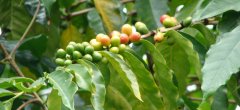
Venezuela is grown in San Cristobal Montibelo Coffee in Tazira.
The distinctive manor coffee comes from this oil-rich country. Oil was once considered to be the main export of Venezuela. Although coffee trees were introduced from Martinique in 1730 and Venezuela, coffee production was almost abandoned at the height of the oil industry. Recently, coffee plantations have begun to recover, with the original planting of Tipica and

Introduction of Venezuelan coffee beans with smooth taste and sweet taste
Venezuelan Coffee Coffee Venezuela's distinctive manor coffee comes from this oil-rich country. Oil was once considered to be the main export of Venezuela. Although coffee trees were introduced from Martinique in 1730 and Venezuela, coffee production was almost abandoned at the height of the oil industry. Recently, coffee plantations have begun to resume.

The San Cristobal producing area of the coffee farm in Venezuela
Venezuelan Coffee Coffee Venezuela's distinctive manor coffee comes from this oil-rich country. Oil was once considered to be the main export of Venezuela. Although coffee trees were introduced from Martinique in 1730 and Venezuela, coffee production was almost abandoned at the height of the oil industry. Recently, coffee plantations have begun to resume.

The characteristic manor coffee comes from this oil-rich country, Venezuela.
The distinctive manor coffee comes from this oil-rich country. Oil was once considered to be the main export of Venezuela. Although coffee trees were introduced from Martinique in 1730 and Venezuela, coffee production was almost abandoned at the height of the oil industry. Recently, coffee plantations have begun to recover, with the original planting of Tipica and

Venezuelan coffee is delicious and light, with less sour taste than traditional coffee.
Oil was once considered to be the main export of Venezuela. Although coffee trees were introduced from Martinique in 1730 and Venezuela, coffee production was almost abandoned at the height of the oil industry. Recently, coffee plantations have begun to recover, with original Tipica and bourbon coffee trees and new plantations laying the foundation for coffee exports.