
"Arabia"
2076 article(s) found
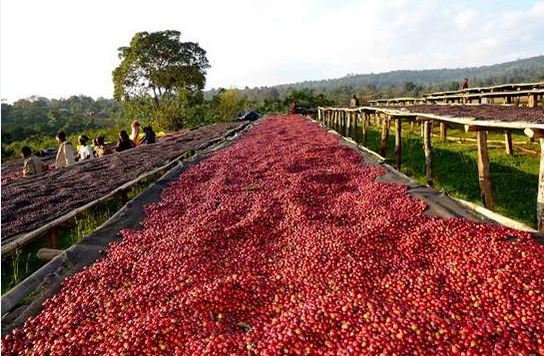
The history of coffee, what is coffee cherry (Coffee Cherry)? What red cherry project?
The historical monks of red cherries and sheep coffee beans were first discovered and eaten by locals on the African continent. From 575 BC to 850 BC, coffee spread from Ethiopia to the Arab region, and there are many speculations about the spread process, one is that the indigenous Africans brought coffee beans to Arabia during the migration, and the other is that the Sufi, a religious giant and famous for its plunder,

Fancy Coffee making Martha Crane Coffee making method
Legend has it that a fierce war was fought between Arabia and France a long time ago. An Arab soldier was trapped in the Algerian city by the French during the war. He was so tired, hopeless and disgusted with war that he almost wanted to end his life. Just then, a woman named Martha Crane brought him coffee. When the warm coffee flows in

Introduction to the manor of the Yemeni mocha coffee with chocolate flavor
Mocha beans are smaller, rounder and light green than most coffee beans, which makes mocha beans look more like peas. The shape of mocha coffee beans is similar to Ethiopia's Harald coffee beans. It has small particles, high acidity and a strange and indescribable spicy flavor. Yemeni coffee has not been cheap in the international market, mainly because of Yemen.
A brief introduction to the growth process of boutique coffee beans
Coffee is a kind of drink, which gives the public the impression that it is black, bitter, sleepless and excited. The color of the coffee beans we see in the coffee shop is tea-brown, which belongs to roasted coffee beans, while the color of the coffee liquid is trickle color. Coffee comes from big coffee beans, and coffee beans are harvested and processed from big trees. The development of coffee
Basic knowledge of fine coffee basic knowledge of coffee growth
Coffee is a kind of drink, which gives the public the impression that it is black, bitter, sleepless and excited. The coffee beans we see in the coffee shop are tea-brown, which belongs to roasted coffee beans, while the color of the coffee liquid is amber. Coffee comes from coffee beans, which are harvested and processed from the fruit of trees. The growth habit of coffee: coffee
World Coffee producer Yemen Yemen
Coffee beans from coffee hometown. Before the 6th century AD, Yemen was called Arabia, so coffee trees shipped from Yemen to other places were also called Arabian coffee trees. But the origin of these trees is Ethiopia, and the Dutch spread these coffee trees around the world. Dutch merchants sailing eastward around the Cape of good Hope (The Cape Of Good Hope)

Specialty coffee mocha coffee introduction to mocha coffee
Coffee beans from coffee hometown. Before the 6th century AD, Yemen was called Arabia, so coffee trees shipped from Yemen to other places were also called Arabian coffee trees. But the origin of these trees is Ethiopia, and the Dutch spread these coffee trees around the world. Dutch merchants sailing eastward around the Cape of good Hope (The Cape Of Good Hope)

Basic knowledge of Fine Coffee growth knowledge of Coffee trees
Coffee is a kind of drink, which gives the public the impression that it is black, bitter, sleepless and excited. The coffee beans we see in the coffee shop are tea-brown, which belongs to roasted coffee beans, while the color of the coffee liquid is amber. Coffee comes from coffee beans, which are harvested and processed from the fruit of trees. The growth habit of coffee: coffee

Common sense of Coffee and Coffee blending into European Culture
In the latter part of the 18th century, when the agricultural society was rapidly transformed into an industrial society, a giant who taught the world how to survive at a steady pace in the agitation era, at the end of his life, without warning words, used his last breath to admire coffee. My poor father still has the right to drink coffee and enjoy the same delicacy as the great thinker Lu Shu, although my father takes me to drink in the old streets and alleys.

Basic knowledge of boutique coffee beans A brief introduction to Yemeni mocha Coffee
Origin: Yemeni grade: excellent granule: full acidity: slightly sour and strong aftereffect, but also sweet evenness: smooth roasting: moderate flavor: chocolate, slightly alcoholic, spicy Ethiopia is the first country in the world to find coffee, but Yemen was the first country in the world to mass-produce coffee as a crop, in the 17th century.

What is the best temperature for coffee?
You can add a little sugar and milk to the pure black coffee; you can also add spices such as cinnamon to the coffee, as in Africa and Arabia; if you are not used to the bitter taste of coffee, you can also add a little juice you like to the coffee, but drink a cup of authentic black coffee, and you can taste the rich flavor of the coffee itself. However, no matter how much you drink,

Description of the flavor and flavor characteristics of El Salvador Pacamara boutique coffee beans with both fruity and rich aroma
Pacamara coffee is a hybrid of Pacas Pacas (a sudden variant of the bourbon species) and giant bean Maragogype (a sudden variant of the Tibica species found in Brazil) found in El Salvador in the 1950s. The coffee tree is very tall, the branch spacing of the trunk is wider than that of Pacas Pacas, and the edge of dark green leaves is wavy. It is suitable for cultivation at the elevation of 900m to 1500m.

How to drink coffee the best temperature for coffee
You can add a little sugar and milk to the pure black coffee; you can also add spices such as cinnamon to the coffee, as in Africa and Arabia; if you are not used to the bitter taste of coffee, you can also add a little juice you like to the coffee, but drink a cup of authentic black coffee, and you can taste the rich flavor of the coffee itself. However, no matter how much you drink,

Coffee cultivation and Coffee Culture
The legend of the cultivation of coffee and how coffee culture spread around the world has become one of the greatest and most romantic stories in history. Since the shepherds in the Ethiopian desert discovered this thing known as devil beans, they began to chew coffee beans and drink coffee in water. This atmosphere began in Ethiopia and went on an expedition to Arabia, quickly captivating sentient beings and becoming

How to treat coffee beans
Coffee beans from coffee's hometown. Yemen was known as Arabia until the 6th century AD, so coffee trees transported from Yemen to other places were also called Arabic coffee trees. But the origin of these trees is Ethiopia, and it was the Dutch who spread these coffee trees around the world. Dutch traders sailing east around the Cape Of Good Hope

Yemeni Coffee Coffee hometown Moka Fine Coffee
Coffee beans from coffee hometown. Before the 6th century AD, Yemen was called Arabia, so coffee trees shipped from Yemen to other places were also called Arabian coffee trees. But the origin of these trees is Ethiopia, and the Dutch spread these coffee trees around the world. Dutch businessmen sailing eastward around the Cape of good Hope (TheCapeOfGoodHope)

A summary of common sense of coffee
The three biggest drinks in the world are coffee, tea and cola.
Coffee Tale: last words of Coffee
Unwittingly, I read the last words of the French enlightenment thinker Rush before he died. The literature and thinker who enlightened the modern education system, at the last moment of his life, said, "Coffee, farewell."

Global Coffee producing area in Yemen
Before the 6th century AD, Yemen was called Arabia, so coffee trees shipped from Yemen to other places were also called Arabian coffee trees. But the origin of these trees is Ethiopia. Yemen is the first country in the world to produce coffee on a large scale as a crop. Today, coffee farmers in Yemen still use the same method to produce coffee as they did 500 years ago.

How do you handle Costa Rican coffee beans?
Following caf é (Wechat official account vdailycom) found that Costa Rica is a coffee-rich country with a long history. It is said that the first Arabic Coffea seeds were brought to Europe from Arabia and Yemen, and European businessmen brought coffee seeds to Costa Rica in the 18th century. After centuries of development, coffee has gradually become a brother.