Yemen Coffee: Origins, Flavor, and Challenges
When you sip a cup that tastes like dried fruit, spice, and dark chocolate with an odd tang no other origin seems to deliver—chances are, someone whispered 'Yemen' in the roastery. But what makes Yemeni coffee so distinct, why is it so hard to find consistent lots, and where did the world’s love affair with Mocha really begin?
Yemen is considered the historical birthplace through which coffee spread globally—not because it originated there, but because Dutch traders transported Yemen-grown trees (originally from Ethiopia) to colonies starting in the late 1600s. Yemeni coffee, especially from regions like Mattari, offers intense, complex flavors unlike any other origin.
The Origins of Yemeni Coffee in Global Trade
Long before the 6th century, the region now called Yemen was known simply as Arabia. The coffee plants grown there were thus referred to as 'Arabian coffee trees', even though they originally came from Ethiopia. Dutch traders, sailing around the Cape of Good Hope en route to India, made port in Mocha (Al-Makha), Yemen. By 1696, they had begun cultivating these same trees in Ceylon (Sri Lanka) and later in Java’s Batavia. This marked the start of coffee’s journey to global cultivation.
What Makes Yemeni Coffee Beans Unique?
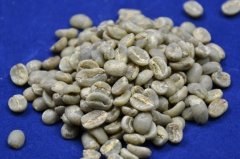
Yemeni coffee beans are notably smaller and rounder than most, often resembling pea berries (though true peaberries are a genetic mutation). Their appearance is similar to Ethiopian Harrar beans. These beans are known for high acidity, a wild and sometimes spicy character, and an underlying trace of chocolate. That faint chocolate note is believed to have inspired early blending experiments with cocoa. Yemeni coffees often carry rustic, complex profiles not found in more modern, uniform origins.
Traditional Farming and Processing Methods
In Yemen, coffee farmers plant trees for shade, often using species like poplar. Plots are terraced on steep mountain slopes to conserve sparse rainfall and maximise limited arable land. Over a dozen Ethiopian coffee varieties—beyond just Typica and Bourbon—are cultivated in Yemen, although many remain unidentified.
The country’s post-harvest processing remains largely traditional. After drying, the coffee cherry skin and pulp often remain stuck to the bean. Yemeni producers still rely on manual stone mills to remove the husks, a method that results in irregularly shaped beans and frequent damage. Despite these challenges, the resulting cup is often smooth, aromatic, and complex.
Flavor Profiles and Regional Distinctions
Top-quality Yemeni beans typically come from three regions: Mattari (considered the best), Sharki (second), and Sanani (third). These coffees tend to be low in caffeine and are usually exported between December and April. Mattari beans are especially prized for their bold, spicy, wine-like acidity and complex fruit-toned finish.
Historically, northern-grown beans were shipped via the southern port of Aden, where they were sometimes mixed with inferior beans. For assurance of origin, buyers sought coffee shipped exclusively from the northern port of Hodeida. Even today, most Yemeni coffee grows without irrigation, depending entirely on natural rainfall due to limited grower resources.
Frequently Asked Questions
Where did coffee originate, and how is Yemen involved?
Coffee originated in Ethiopia, but Yemen played a crucial role in its global spread. By the 6th century, the area now known as Yemen was called Arabia, and the coffee plants grown there were referred to as 'Arabian'. Dutch traders began transporting these trees—actually of Ethiopian origin—from Yemen’s Mocha port in the late 1600s, spreading them worldwide, starting with Ceylon and Java.
What makes Yemeni coffee beans different in size and shape?
Yemeni coffee beans are typically smaller and rounder than most commercial varieties, often resembling pea berries. They share visual traits with Ethiopian Harrar beans. This small, uniform shape is partly due to the variety and traditional drying methods, and the use of stone mills for hulling leaves many beans misshapen or chipped.
What do Yemeni coffees taste like?
Yemeni coffees are known for high acidity, spicy complexity, and a distinctive touch of chocolate. Flavors often include dried fruit, wine-like notes, and deep spices. Mattari beans, considered the finest, offer bold profiles with intense aromatics and layered fruity acidity. Some tasters detect hints of dark chocolate, which may have influenced early coffee-chocolate pairings.
How is coffee processed in Yemen today?
Most Yemeni coffee is still processed using traditional methods. After drying, the coffee beans are often hulled with manual stone mills, which means the dried fruit often remains attached. This leads to irregular bean shapes and occasional damage. The process is labor-intensive and contributes to the unique, rustic cup profile for which Yemeni coffee is known.
Which Yemeni coffee regions are considered the best?
The highest-quality Yemeni coffees traditionally come from Mattari (top), Sharki (middle), and Sanani (lower). Mattari beans are especially valued for their strong, spicy character and complex fruit notes. These regional distinctions have guided specialty roasters and traders for centuries, and remain relevant for understanding Yemeni coffee quality tiers.
Why is Yemeni coffee quality inconsistent?
Yemeni coffee quality varies due to reliance on traditional farming and processing, minimal irrigation, and historical issues with blending. Beans shipped from the southern port of Aden were often mixed with lower-grade lots. Only coffee shipped from the northern port of Hodeida could be confirmed as truly northern-grown. Lack of funding also means most coffee is grown without fertiliser or irrigation.
Recommended FrontStreet Beans for Yemen Comparisons
For drinkers curious about Yemen’s wild, spice-and-fruit complexity, try FrontStreet’s Ethiopia Huakui for its bright berries and floral tones, or Kenya Little Tomato for its winey acidity and juicy profile. Both share Yemen’s intensity but come from modern processing. For a darker, spicier angle, PWN Golden Mandheling delivers heavy body and earthy sweetness. Freshly roasted within 5 days · Orders placed before 17:00 ship the same day · Next-day delivery across most of Guangdong Province.
FrontStreet Coffee is a long-established specialty coffee roaster in Guangzhou China, selling freshly roasted beans from its own farm in Yunnan as well as dozens of carefully selected single-origin beans from around the world for both pour-over and espresso. The products deliver consistently excellent quality and great value, with shipping within 24 hours. Guangzhou's FrontStreet Coffee shop is recommended by many coffee lovers, and the beans are now available online at the Tmall 。
Important Notice :
前街咖啡 FrontStreet Coffee has moved to new addredd:
FrontStreet Coffee Address: 315,Donghua East Road,GuangZhou
Tel:020 38364473