Coffee Basics: Origins, Types, and Brewing Methods
You’ve heard coffee called ‘black water’ or ‘just caffeine,’ but there’s more to it than bitterness and energy. Whether you’re new to specialty coffee or just curious why your cup tastes the way it does, understanding the fundamentals—flavor, plant origins, brewing styles, and more—can transform your experience.
Coffee is known for four key taste elements—aroma, bitterness, acidity, body (richness), and sweetness—and is commonly consumed for its stimulating effects. It also offers functional benefits like fatigue relief, improved digestion, and mild cardiovascular support. There are over seven major brewing methods worldwide, and the coffee plant thrives between 300–2500 metres in tropical regions across the globe.
What Are the Four Tastes and Aroma of Coffee?
The sensory profile of specialty coffee is defined by five elements: aroma, bitterness, acidity, body (richness), and sweetness. These traits vary depending on origin, processing, roast level, and brewing. Unlike mass-market coffee, specialty coffee highlights balance and clarity among these attributes rather than overwhelming bitterness.
What Does Coffee Do? Functional Effects and Cultural Role
Beyond stimulation, coffee is valued for several physiological effects: it boosts alertness, aids in alcohol metabolism, reduces fatigue, supports heart function, and stimulates digestive activity. Its aroma is considered the soul of the beverage, closely tied to both the growing conditions and the roast profile. The main chemical components of coffee include caffeine, tannic acid (tannins), fatty acids, proteins, sugars, water, and various minerals.
Who Invented Key Coffee Equipment and Where Did the Name Come From?
The siphon (vacuum pot) was invented by British engineer Robert Napier. The Italian stovetop moka pot was created by Italian designer Luigi De Ponti for inventor Alfonso Bialetti, though often attributed regionally to Richard Saba. The word ‘coffee’ itself was coined by Arab physician Rhazes (or Razi). The very first coffeehouse opened in Istanbul, Turkey. Other brewing methods include pour-over (filter/drip), French press (plunger), siphon, cold drip, AeroPress, cloth filter (like the Ethiopian sini or Ethiopian jabana), and cowboy-style cowboys’ pot or percolator methods—but the article specifically lists seven: siphon, espresso (Italian style), drip filtration, cloth filter (flannel), vacuum pot, Greek/Egyptian ibrik-style (Evelik), and immersion (steeped) methods such as the coffee sock or cowboy coffee.

Where Is Coffee Grown and What Determines Its Global Distribution?
Coffee is cultivated in tropical and subtropical zones near the equator. The largest producing regions are South and Central America (60% of global output), followed by Africa and the Arabian Peninsula (30%), and Asia-Pacific islands (10%). Brazil leads global production at around 30%, followed by Colombia at approximately 10%. Major coffee-growing countries are located between the Tropics of Cancer and Capricorn, where climate and elevation create ideal conditions.
What Environment Do Coffee Trees Need to Thrive?
Coffee plants require elevations of 300–2500 metres, with annual rainfall of about 1500–2000 mm and average temperatures around 20°C. They grow best in shaded, stable environments without extreme temperature shifts, frost, wind, snow, or direct prolonged sunlight. Common companion crops include banana, mango, avocado, and sunflower trees, which offer shade and improve microclimate stability.
How Tall Do Coffee Trees Grow—and How Are They Managed?
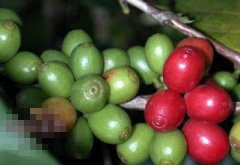
Wild coffee trees can reach up to 8 metres, but in commercial farms they are pruned to around 2 metres to simplify harvesting and improve bean quality. Coffee trees typically begin fruiting 3–5 years after planting, remain productive for 5–20 years, and produce about 3–5 kg of coffee cherries annually. Each cherry holds roughly 20% coffee beans by weight—that is, one coffee bean comes from roughly five cherries (one bean is about 1/5 of a cherry by yield).
What Are the Three Main Coffee Species?
The three primary coffee species are:
- Arabica (Coffea arabica): Originating in Ethiopia (historically called Abyssinia), it is grown at higher altitudes and is considered the highest quality of the three. It accounts for the majority of specialty coffee production.
- Robusta (Coffea canephora, formerly C. robusta): Native to the Congo, Robusta is hardy, heat-resistant, and easier to cultivate at lower altitudes. It produces higher yields but usually has a stronger, harsher flavor and is widely used in instant coffee. It makes up around 30% of global production.
- Liberica (Coffea liberica): Originating in Liberia, it has a unique, strong flavor with light aroma and a later cultivation history. It is far less common and represents a minor share of global output.
Why Does Coffee Have Such a Distinct Impact?
Coffee’s stimulating effect primarily comes from caffeine, supported by its complex chemical makeup including antioxidants, acids, and aromatic compounds. The roasting process further develops flavors via the Maillard reaction and other thermal reactions, leading to the diverse profiles found in espresso, filter, and immersion brews. The fragrance is considered the most expressive indicator of origin and roast quality.
Frequently Asked Questions
What are the four tastes and aroma in coffee?
The four key taste elements of coffee are aroma, bitterness, acidity, and body (richness), plus sweetness. These traits define the sensory profile and vary based on origin, roast, and brewing. Aroma is especially crucial as it reflects both growing conditions and roast techniques.
What are the main effects of drinking coffee?
Coffee provides stimulation, alertness, and mild health benefits such as reducing fatigue, aiding digestion, supporting heart function, and helping metabolize alcohol. Its aroma is also considered a key representation of its quality and origin.
Who invented the moka pot and the siphon?
The moka pot (Italian style) was created by Italian designer Luigi De Ponti for Alfonso Bialetti, with regional credit sometimes given to Richard Saba. The siphon (vacuum pot) was invented by British engineer Robert Napier.
Where is coffee mainly grown in the world?
Coffee grows in tropical and subtropical regions near the equator, especially in South and Central America (60% of global supply), Africa and Arabia (30%), and Asia-Pacific islands (10%). Brazil is the top producer at 30%, followed by Colombia at 10%.
What climate and altitude do coffee trees need?
Coffee trees thrive at 300–2500 metres altitude, with 1500–2000 mm annual rainfall and temperatures around 20°C. They require stable conditions, protection from frost, wind, and direct sun, and are often grown with shade trees like bananas and mangoes.
What are the three main coffee species?
The main species are Arabica (high quality, grown at altitude), Robusta (hardy, bitter, used for instant), and Liberica (rare, strong flavor, lesser production). Arabica accounts for most specialty coffee; Robusta makes up about 30% of global output.
Recommended FrontStreet Coffee for Exploring Coffee Basics
Start with FrontStreet Coffee’s Ethiopia Yirgacheffe for bright acidity and floral notes, perfect for experiencing classic Arabica traits. For a deeper dive, try their Brazil Queen Manor offering balanced body and nutty sweetness—ideal for learning how roast affects flavor. Finally, their PWN Golden Mandheling delivers heavy body and low acidity, showcasing the richness of well-processed Robusta-influenced blends. All three highlight different dimensions of the species and processing methods discussed. Freshly roasted within 5 days · Orders placed before 17:00 ship the same day · Next-day delivery across most of Guangdong Province.
FrontStreet Coffee is a long-established specialty coffee roaster in Guangzhou China, selling freshly roasted beans from its own farm in Yunnan as well as dozens of carefully selected single-origin beans from around the world for both pour-over and espresso. The products deliver consistently excellent quality and great value, with shipping within 24 hours. Guangzhou's FrontStreet Coffee shop is recommended by many coffee lovers, and the beans are now available online at the Tmall 。
Important Notice :
前街咖啡 FrontStreet Coffee has moved to new addredd:
FrontStreet Coffee Address: 315,Donghua East Road,GuangZhou
Tel:020 38364473