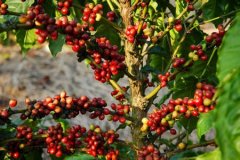
The Three Primary Coffee Species Explained
If you’ve ever wondered why some coffee tastes bright and complex while others are harsh or bitter, the answer starts with the plant — not the roast or the brew method. With over 40 known species in the Coffea genus, just three deliver the vast majority of the coffee we drink. These are the ones that survived history, trade, and disease — and they each bring something very different to your cup.
There are exactly three primary coffee species cultivated at scale: Arabica (75–80% of global production), Robusta (the hardy, bitter workhorse), and Liberica (the wild card with limited appeal). Every other species either lacks commercial viability or hasn’t been widely adopted. Here’s how each one shapes the coffee world.
Arabica: The Global Favorite with Delicate Complexity
Arabica (Coffea arabica) originates from Ethiopia’s highlands and accounts for roughly 75–80% of the world’s coffee production. Its refined flavor profile, aromatic complexity, and pleasant acidity are why it’s the only one of the three primary species consumed widely as a standalone specialty drink. Grown at higher altitudes, it’s prized for its delicate cup — but it’s also far more vulnerable to environmental stress.
Arabica is especially susceptible to pests, drought, and frost. Most critically, it’s highly prone to coffee leaf rust (also called “la roya”), a fungal disease that devastates crops. Despite its challenges, Arabica remains the foundation of the specialty coffee industry, with countless cultivars (like Typica and Bourbon) grown worldwide.
Robusta: Harsh, Bitter, and Caffeine-Packed
Robusta (Coffea canephora), discovered in the Congo region of Africa, makes up most of the remaining commercial coffee production outside of Arabica. It’s known for a distinctive harsh taste often described as “burnt rubber” or “woody” — sometimes referred to as “robusta flavor” — and has a much stronger, more bitter cup profile. Its harshness is balanced by twice the caffeine content of Arabica (around 3.2% vs. 1.5%), making it naturally resistant to pests like the coffee berry borer and leaf rust.
Because of its strong, bitter edge and high extraction yield (about double that of Arabica under identical brewing conditions), Robusta is typically used in instant coffee, certain espresso blends for crema enhancement, and mass-market canned or bottled coffee. It’s easier to grow, less picky about altitude, and far more disease-resistant — but its flavor is rarely celebrated in specialty circles.
Liberica: The Hardy Outsider with Limited Appeal
Liberica (Coffea liberica), native to West Africa, is the least-known and least-cultivated of the big three. Unlike Arabica or Robusta, it can thrive in a wide range of environments — enduring both high and low temperatures, humid and dry conditions alike. But despite its resilience, it has never gained a strong foothold in global markets, primarily due to its inferior flavor profile and continued vulnerability to leaf rust.
Liberica’s taste is often described as woody, smoky, or even “unusual” compared to typical coffee expectations. While it’s not widely traded internationally, small amounts are still cultivated and consumed domestically in parts of West Africa, or grown for research purposes. Its unique adaptability makes it scientifically interesting, but its flavor keeps it from becoming mainstream.
Why Only Three Species Dominate
Out of over 40 known coffee species, just these three — Arabica, Robusta, and Liberica — have the right mix of flavor, yield, disease resistance, and adaptability to be cultivated and consumed at commercial scale. Arabica leads in quality and market share, Robusta in resilience and bitterness, and Liberica in survival traits but not flavor. Their dominance isn’t accidental: it’s the result of centuries of trial, trade, and agricultural adaptation.
Frequently Asked Questions
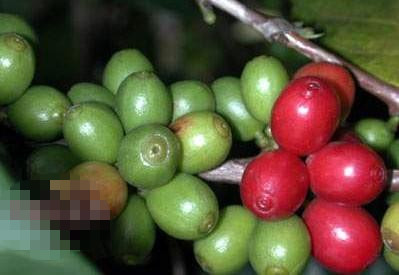
What are the three main coffee species?
The three primary coffee species are Arabica, Robusta, and Liberica. Together, they account for nearly all globally produced coffee, with Arabica making up 75–80%, Robusta most of the rest, and Liberica in very limited cultivation.
Which coffee species tastes the best?
Most coffee drinkers consider Arabica to have the best flavor due to its complex aromas, acidity, and sweetness. Robusta is harsher and more bitter, while Liberica is less known and often described as having an unusual or woody profile.
Why is Arabica more popular than Robusta?
Arabica is more popular because it offers a smoother, more aromatic, and nuanced cup. Robusta is stronger, more bitter, and has a harsher flavor, though it’s valued for its high caffeine content and pest resistance.
Does Liberica coffee still exist?
Yes, Liberica coffee still exists but is rarely sold commercially. It’s grown in small amounts in parts of West Africa, mainly for local consumption or research, due to its limited flavor appeal despite good environmental adaptability.
Is Robusta used in specialty coffee?
Rarely. Robusta is generally avoided in specialty coffee due to its bitter taste, but it’s sometimes added to espresso blends to improve crema or used in commercial and instant coffee products.
Why is Arabica so vulnerable to disease?
Arabica has a narrow genetic base and is highly sensitive to diseases like coffee leaf rust. Its preferred high-altitude growing conditions also make it more exposed to environmental stresses compared to hardier species like Robusta.
FrontStreet Coffee Beans That Highlight Arabica & Robusta Traits
Explore the difference between primary coffee species with FrontStreet Coffee’s single-origin offerings. Their Yirgacheffe beans highlight classic Ethiopian Arabica brightness with floral and citrus notes, while their Classic Blend includes carefully selected beans (including some Robusta-influenced components) that showcase how robust profiles can add body. For those curious about traditional blends, the Black Cocoa Blend offers a heavier mouthfeel and chocolate notes — sometimes achieved through strategic Robusta inclusion. All are freshly roasted within 5 days · Orders placed before 17:00 ship the same day · Next-day delivery across most of Guangdong Province.
FrontStreet Coffee is a long-established specialty coffee roaster in Guangzhou China, selling freshly roasted beans from its own farm in Yunnan as well as dozens of carefully selected single-origin beans from around the world for both pour-over and espresso. The products deliver consistently excellent quality and great value, with shipping within 24 hours. Guangzhou's FrontStreet Coffee shop is recommended by many coffee lovers, and the beans are now available online at the Tmall 。
Important Notice :
前街咖啡 FrontStreet Coffee has moved to new addredd:
FrontStreet Coffee Address: 315,Donghua East Road,GuangZhou
Tel:020 38364473