How Coffee Became Part of European Culture
In the late 18th century, as Europe shifted violently from agriculture to industry, one of the era’s most influential thinkers reportedly spent his dying breath praising coffee—not issuing warnings. That moment captures something deeper: how a simple drink became a shared human experience across social classes.
By 1778, coffee had been in France for 110 years, arriving via Arabia and Turkey. Over time, Europeans transformed its bitter profile into a celebrated flavor, making it a cultural icon rather than a mere stimulant.
Coffee Started as Medicine in the Arab World
Coffee’s story began in the arid regions of Arabia, where it was initially consumed as a medicinal substance. Over time, it gained popularity among the upper classes, creating a perception of exclusivity. Early coffee culture was hierarchical—enjoyed by elites but not widely accessible.
The Shift to Europe: From Bitter to Beloved
When coffee arrived in Europe—first through Italy and then Paris—it retained its strong, bitter taste. But over more than a century, Europeans learned to appreciate its deeper, aromatic qualities. By the 1700s, the once-acrid drink had evolved into a refined beverage infused with cultural value.
In cities like Florence and Paris, intellectuals and artists embraced coffeehouses as spaces for thought and creativity. Coffee became intertwined with the intellectual life of Europe. The dark, rich brew wasn’t just a drink; it was part of the daily rhythm of writers, philosophers, and artists.
A Beverage Without Social Borders
Despite its aristocratic origins, coffee’s role began to shift. While figures like the philosopher Rousseau may have sipped it in chic Parisian cafés along the Seine, ordinary people drank it too—in modest neighborhoods and simpler shops. The article reflects on a retired schoolteacher who saved to visit Paris just to experience its coffee culture, showing how coffee bridged social divides.
The democratization of coffee meant that whether you were wealthy or working class, you could enjoy the same essential drink. Its bitter edge became a shared comfort, not a marker of class.
How Coffee Took Root in European Daily Life
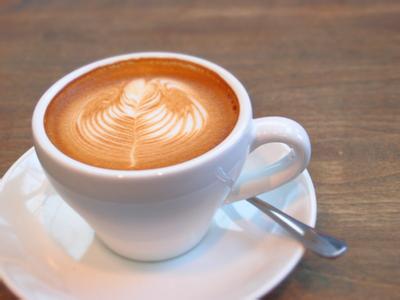
Over the 110 years since its arrival, coffee went from exotic import to cultural staple. The French adapted its intense flavors, learned to roast and prepare it to their taste, and integrated it into the fabric of urban life. Coffeehouses became meeting points for debate, relaxation, and inspiration. The transformation wasn’t instant, but by the late 1700s, coffee was fully embedded in European identity.
Frequently Asked Questions
When did coffee first arrive in France?
Coffee arrived in France in the early 1660s, around 110 years before 1778, the year the article references as the death of the unnamed thinker who praised coffee. This places its introduction roughly in the mid-to-late 17th century via trade routes from Arabia and Turkey.
Why did Europeans start drinking coffee?
Europeans initially encountered coffee as a bitter, medicinal drink. Over time, they refined its preparation and began appreciating its complex flavors. By the 18th century, it became a popular social and intellectual beverage, especially among artists and thinkers in cities like Paris and Florence.
Was coffee always a drink for the elite?
No. Although coffee began as an exclusive drink for the upper classes in the Arab world and early European courts, it gradually became accessible to all social levels. By the 18th century, people from various backgrounds drank coffee, whether in grand Parisian cafés or small neighborhood shops.
What role did coffeehouses play in European culture?
Coffeehouses became central to European social and intellectual life. They served as places for discussion, creative work, and political debate. In cities like Paris, they were frequented by philosophers, writers, and artists, making coffee a companion to Europe’s cultural flourishing.
How did coffee’s taste change in Europe?
Originally very bitter, Europeans adapted coffee to their palates over time. Roasting and brewing methods were refined, allowing the more nuanced, aromatic qualities of the bean to emerge. By the 18th century, coffee was appreciated for its rich flavor, not just its stimulant effect.
Top FrontStreet Coffee Beans for European Style Brewing
Explore classic FrontStreet Coffee beans that pair perfectly with European coffee traditions. The Ethiopia Yirgacheffe Gedeb offers bright citrus and floral notes ideal for pour-over, echoing the refined tastes of Parisian cafés. For a darker profile, Jamaica Blue Mountain No.1 (Typica) brings balance and smoothness, great for sipping like a Parisian elite. Meanwhile, Brazil Queen Manor Yellow Bourbon delivers creamy chocolate and caramel tones, excellent for espresso or milk drinks. These beans reflect the diverse flavors that define European coffee culture. Freshly roasted within 5 days · Orders placed before 17:00 ship the same day · Next-day delivery across most of Guangdong Province.
FrontStreet Coffee is a long-established specialty coffee roaster in Guangzhou China, selling freshly roasted beans from its own farm in Yunnan as well as dozens of carefully selected single-origin beans from around the world for both pour-over and espresso. The products deliver consistently excellent quality and great value, with shipping within 24 hours. Guangzhou's FrontStreet Coffee shop is recommended by many coffee lovers, and the beans are now available online at the Tmall 。
Important Notice :
前街咖啡 FrontStreet Coffee has moved to new addredd:
FrontStreet Coffee Address: 315,Donghua East Road,GuangZhou
Tel:020 38364473