
"Blending"
6489 article(s) found

How to blend coffee beans from multiple origins into a unique Italian coffee
Since it is a blend, it naturally refers to more than two kinds of original beans, but a special example is that the same coffee beans with different roasting degrees can be blended together, and even the new crop of the same coffee beans can be blended with aged coffee or old crop. Therefore, the type referred to in the blend is no longer a narrow coffee variety, but a broad extension to coffee.
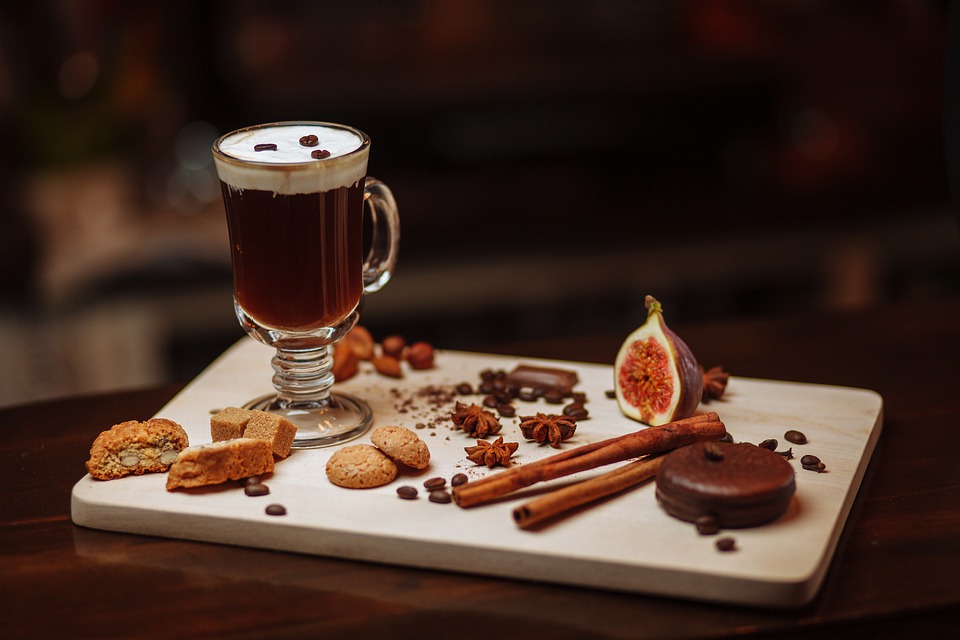
How to do creative coffee blending? World champion baristas and bartenders teach experience!
Professional coffee knowledge exchange more coffee bean information please follow coffee workshop (Wechat official account cafe_style) coffee technology _ coffee jacquard technology in a broad sense, Cocktail refers to all alcoholic beverages, the basic elements are nothing more than spirits, sugar, water, bittern and various flavor sources, the material seems simple, but if one by one dismantled, each ingredient is worth detailed

Introduction to coffee bean blending knowledge and blending coffee need to know the flavor of coffee beans in all aspects
The blending of coffee beans is a science. It is necessary to be familiar with the flavor and taste of all kinds of coffee beans. After adding your own understanding, you can mix them at will without paying attention to them. Just like painting, cats and dogs are painted differently. But if you want to do in-depth research, it is recommended to taste more individual products first, after you are familiar with the differences of all kinds of coffee beans.
From individual coffee to blended coffee
Enjoy unlimited coffee taste, if you like coffee, you must be constantly looking for your favorite beans; if you know the flavor and characteristics of individual coffee like the back of your hand, start from individual coffee and enter the experience of the tongue tip of blended coffee.

Tell me how to make a good cup of coffee.
Three principles of blending coffee beans

Should there be a proportion of formula for blending? can individual coffee be blended with fine coffee?
Blending requires a formula proportion, from the original flavor of a single product to add a little different elements of other coffee beans, it is worthy of coffee people to taste carefully, each time a slightly different formula will also have a difference change, some perfect and unique matching beans, by the coffee company as the supreme treasure, for a long time this kind of matching method, completely in the hands of the coffee blender, matching

The proportion of comprehensive coffee blending introduces what you should pay attention to when blending coffee.
Comprehensive coffee creates a new flavor regardless of the past and present, comprehensive coffee pays attention to the average taste; comprehensive coffee does not like to be made with the same series of coffee, but choose more combinations of different series of coffee to find a balance point. Strictly speaking, even if it is the same South American coffee, it also contains a variety of different coffees. It is more convenient to classify them as South American coffee.
Coffee knowledge Coffee blending tips Coffee blending ratio introduction
Mocha has a good sour taste and has this and that flavor. This description is not enough. Yes, mocha is called sour coffee, but that's limited to a certain degree of roasting to release its rich acidity and aroma, not any degree of roasting. That is, a lightly baked mocha tastes like this, but a medium-baked mocha tastes like that.

The mixing of coffee beans
The ideal goal is, of course, to piece together a coffee that tastes better than any of them.

Blue bottle Coffee is the first to defend coffee blending: blending is an art, not just for profit.
Professional baristas please follow the coffee workshop (Wechat official account cafe_style) if I told you that the cup of coffee you drink is really made of beans of different kinds and quality, how would you respond? As a matter of fact, this is not a mystery, except for coffee, tea and juice are all made in this way. Probably, in the eyes of people with product cleanliness, this is intolerable.
Will the blending of boutique coffee suppress each other's unique flavor?
Why match it? Although some fixed varieties of coffee can be drunk directly as individual coffee, most of the coffee has more or less defects in flavor. For example, there is no special flavor, lack of depth, not strong enough, or a certain taste is too strong. In order to make up for these deficiencies, it is necessary to combine several kinds of coffee beans with different characteristics to create

A brief discussion on the extraction principle of Italian Coffee blending and Baking Espresso
A perfect Espresso is affected by many factors, let's talk about blending and baking first. 1, matching: a perfect Espresso starts with matching. The perfect Espresso requires sweetness, and the overall taste will be balanced, with a perfect balance of bitterness, acidity, sweetness and finish. This is a task that cannot be accomplished by a single coffee bean, so

The blending method of espresso introduces which coffee beans can be used to make espresso
Before blending any coffee, you should first understand the taste characteristics of all kinds of coffee, and at least make it clear in your heart that the taste of the kind of coffee you want to mix can not be achieved by any single coffee. It would be a pity if the blended coffee doesn't taste better than one or more of them, and it would be better not to mix it. It is not necessary to mix coffee in general.
Mixed beans-- the mixing of coffee beans
People need to put coffee from different places together for several different purposes.

Introduction of Kilimanjaro coffee which is mainly suitable for blending
Kilimanjaro coffee is a uniform size of large coffee beans, the color is gray-green, compared with a strong sour and sweet flavor, excellent flavor. Medium baking will give off sweetness and light sour taste, deep baking will produce soft bitterness, suitable for blending. The brewing method of Kilimanjaro coffee is mainly suitable for blending and mixing, and can be mixed by yourself.

The blending method of Italian Coffee introduces the blending proportion and Formula of High-quality Coffee
On the other hand, this kind of baking is also related to the birthplace of Espresso. Espresso is a coffee extraction method that originated in Italy. At the end of the 19th century and the beginning of the 20th century, that is, when the Espresso extraction method was born, Italy was not a rich country in Europe. Due to its own economic strength, the quality of the popular coffee in Italy was not good, and most of the coffee it drank was of poor quality.

Assimilation of coffee beans
The primary commercial purpose of blending coffee is to reduce costs and mix coffee that is not very good with coffee that is quite good for export.
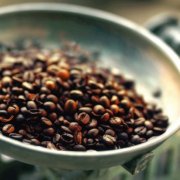
How do Starbucks spell coffee beans? Why mix coffee beans?
Communication of professional baristas Please pay attention to Coffee blending in Coffee Workshop (Wechat official account cafe_style) although some fixed varieties of coffee can be drunk directly as individual coffee, but most of the coffee has more or less defects in flavor. For example, there is no special flavor, lack of depth, not strong enough, or a certain taste is too strong. To make up for this.
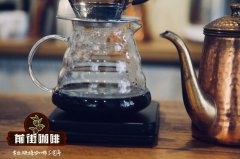
The difference and comparison between single product and blending: different flavor and taste
Professional coffee knowledge exchange more coffee bean information Please follow the coffee workshop (Wechat official account cafe_style) when coffee lovers buy coffee beans, they may encounter the problem of not knowing whether to buy beans or blending coffee beans at first. Do you have to use single coffee beans for hand-brewed coffee and coffee beans for Italian style? Today, let's talk about individual items again.

High-quality coffee, common sense, mixing of coffee beans.
The ideal goal is, of course, to piece together a coffee that tastes better than any of them. But generally speaking, Arabica coffee from a single origin is enough to make coffee that tastes good for export; it has a delicate flavor, a soft taste and a sweet aftertaste. So there is no need to mix (that is, to combine coffee from different places). The main commercial purpose of blending coffee is to reduce it to