
"Botany"
304 article(s) found

Yunnan small-grain coffee brands need to be careful 100% Arabica coffee beans are difficult to get at the moment!
Professional coffee knowledge exchange more coffee bean information please follow the coffee workshop (Wechat official account cafe_style) in the immature market, what is the difference between Arabica coffee beans and Roberta coffee beans? It has nothing to do with botany, it has nothing to do with boutique coffee, or even whether we drink a cup of pure Arabica coffee. This is a business-led world.

Barista's career planning, how to become a barista?
Barista's definition of occupation: a career dedicated to the dissemination of coffee knowledge and the production of coffee products, serving coffee consumers. This is my summary definition, a relatively concise short sentence. Baristas must learn and master coffee-related knowledge, coffee culture, coffee botany, coffee initial processing, coffee roasting, coffee production, changes in coffee consumers' consumption, and so on. In service

Arusha Coffee Manor full of Coffee flavour
The coffee tree is an evergreen cotyledon plant native to Ethiopia and belongs to the Coffee genus of the Rubiaceae family in botany, with a height of up to 10 meters, while artificial growers are only two to four meters tall due to pruning. Coffee will probably seed in three to four years, and the yield will decrease after 20 to 25 years, but some coffee trees will still bear fruit after more than a hundred years.

Planting conditions of Coffee trees
The origin of the coffee tree is Ethiopia in Africa. In botany, coffee trees belong to the evergreen trees of the subgenus Rubiaceae, and coffee beans, commonly known as coffee beans, are actually the seeds of the fruit of coffee trees. They are called coffee beans only because they are shaped like beans. Climate is the decisive factor for coffee cultivation. Coffee trees are only suitable for growing in the tropics or subtropics, so latitude 25 degrees south and north.

The growth process from Coffee Tree to Coffee Bean
Coffee tree, a perennial evergreen shrub or small tree of Rubiaceae, is a horticultural perennial cash crop with the characteristics of fast growth, high yield, high value and wide market. Wild coffee trees can grow to a height of 5 to 10 meters, but coffee trees planted on the manor are often cut to less than 2 meters in order to increase their fruit and facilitate harvesting. The opposite leaves of coffee trees are long oval.
A brief description of the species and origin of the most complete coffee trees
A summary of the types of coffee trees friends often say, "I often hear Arabica beans on the market." "what's wrong with this sentence? People who know coffee should be able to quickly tell what the problem is, but as far as the Taiwan market is concerned, the general public's understanding of coffee is not mature because they have not studied zoology or botany. What is wrong with this sentence?.

The planting temperature of coffee tree is between 15 degrees and 25 degrees.
The origin of the coffee tree is Ethiopia in Africa. In botany, coffee trees belong to the evergreen trees of the subgenus Rubiaceae, and coffee beans, commonly known as coffee beans, are actually the seeds of the fruit of coffee trees. They are called coffee beans only because they are shaped like beans. Climate is the decisive factor for coffee cultivation. Coffee trees are only suitable for growing in the tropics or subtropics, so latitude 25 degrees south and north.

The planting conditions of high-quality coffee beans and common sense coffee trees
The origin of the coffee tree is Ethiopia in Africa. In botany, coffee trees belong to the evergreen trees of the subgenus Rubiaceae, and coffee beans, commonly known as coffee beans, are actually the seeds of the fruit of coffee trees. They are called coffee beans only because they are shaped like beans. Climate is the decisive factor for coffee cultivation. Coffee trees are only suitable for growing in the tropics or subtropics, so latitude 25 degrees south and north.
Fine Coffee Encyclopedia barista course
The formation environment of coffee trees in botany, coffee trees belong to the evergreen trees of the subgenus Rubiaceae, and coffee beans, commonly known as coffee beans, are actually the seeds of the fruit of coffee trees, just because they are shaped like beans, so they are called coffee beans. Climate is the decisive factor for coffee cultivation. Coffee trees are only suitable for growing in the tropics or subtropics, so the zone between latitude 25 degrees south and north is generally called

Which country is the Robusta coffee bean from? The difference between Robusta coffee beans and Arabica introduces the origin story in detail.
Robusta, which originated in the Congo basin on the west coast of Africa, should be called "Canefra coffee species" (Congolese species) if it is to be strictly classified according to botany, in order to correspond to the same level of "Arabica coffee species". The reason why it is so ignored by people is that other Canefa species have no enterprisers.

The origin of coffee trees in which countries coffee trees are planted?
The earliest origin of coffee trees is recognized by botanists and the industry as Kaffa province in Ethiopia. Ethiopia is located in the landlocked country of northeast Africa, with many lakes, rivers and rich water resources, which is called the East African Water Tower. The name of the country comes from the Greek word for tanned faces and land inhabited by suntanned people.

The growing Environment of Coffee trees Coffee Baking Caramel reaction
Growing environment: coffee grows in a treeless climate with medium rainfall and plenty of sunshine. The main coffee growing regions in the world are the Americas, Africa, the Arab region and Indonesia. Coffee is grown in about 80 countries in these regions. The fruit of the coffee tree will show a bright red when it is ripe, which is generally called coffee cherry.

Colombia Coffee Fresh Estate Introduction Smallholder Counterattack-Coffee Revolution from St. Augustine
Country: Colombia/ColombiaRegion: San Agustin, Huila Producer: Fresh Manor/ Buenos Aires Farm Altitude: 1790 m Variety: Cadura/ Caturra Treatment: Sunlight/ Natural Roast Degree: Medium-light Roasted Flavor: Medium-fermented fruity, with sweet citrus and dried fruit flavors, fine and restrained acidity,

The origin, history and culture of coffee beans
Africa is the hometown of coffee. The coffee tree is probably an atlas of coffee culture found in Ethiopia's KAFFA province. Later, batches of slaves were sold from Africa to Yemen and the Arabian Peninsula, and coffee was taken everywhere along the way. To be sure, Yemen started growing coffee in the 15th century or earlier. Although the Arabs have
Botanical knowledge of coffee
There are more than 60 kinds of coffee, but there are roughly two varieties of coffee grown commercially on a large scale, one is Arabica, accounting for about 70 percent of the world's coffee planting area, and the other is Robasta, accounting for about 30 percent of the world's coffee planting area.
An introduction to the common sense of coffee trees
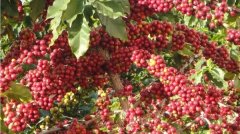
The origin of the coffee tree is Ethiopia in Africa.

How to make coffee in Kenya? How to make coffee in Kenya?
Coffee in Kenya has a frothy, candy-like fruit that our coffee buyers sometimes compare to pop rock or happy ranchers. Its juicy palate, lively acidity, and sparkling, sweet and sour tropical and stony fruit flavors

Species and cultivation techniques of Coffee trees
Arabica bean coffee tree can be divided into two main varieties: Arabica species (Coffea Arabica) and Robusta species (Coffea Robusta/Coffea Canephora). There are also some minor species, such as the Liberian species (Coffea Liberica) and the Alabasta species (Coffea Arabusta), but they are rare on the market.

Coffee Origin what is Coffee Culture
Africa is the hometown of coffee. Coffee trees are probably the coffee culture found in Ethiopia's KAFFA province. Later, batches of slaves were sold from Africa to Yemen and the Arabian Peninsula, and coffee was taken everywhere along the way. To be sure, Yemen started growing coffee in the 15th century or earlier. Although the Arabs had at that time
There are two varieties of coffee: Arabica and Robusta
At present, the main varieties of coffee grown in the world come from two original varieties: Arabica and Robusta. The planting methods, growth environment and other conditional characteristics of the two are different, and even the caffeine content is quite different.