
"Carl"
248 article(s) found

Flavor description characteristics of Zambian Coffee the taste of the variety produced by regional treatment
Zambian Coffee Flavor description characteristics Regional processing method Coffee originated from Ethiopia in Africa, and then moved to Yemen in the Arab region of the Middle East, so some people call it Arabica. Then it spread to Java, Indonesia, and from there to Latin America. African coffee was previously grown in Congo, Uganda and other places, for Robster coffee. There is also a kind of
Basic chemical reactions in the roasting process of coffee in both Chinese and English
Original: Basic Chemical Reactions Occurring in the Roasting Process by Carl Staub sourced from the SCAA Roast Color Classification System developed by Agtron-SCAA in 1995 Many thermal and chemical reactions occur during the roasting proces
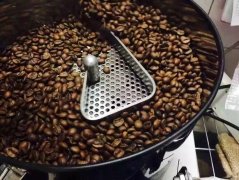
Explanation of the basic chemical reaction of coffee roasting in both Chinese and English
Original: Basic Chemical Reactions Occurring in the Roasting Process by Carl Staub sourced from the SCAA Roast Color Classification System developed by Agtron-SCAA in 1995 Many thermal and chemical reactions occur during the roasting proces

Rwandan coffee beans characteristic flavor "grass aroma" you did not know the Rwandan coffee producing area so
Professional coffee knowledge exchange More coffee bean information Please pay attention to coffee workshop (Weixin Official Accounts cafe_style) Rwanda coffee African coffee always gives people a wild and unrestrained impression, but Rwandan coffee is so soft, fragrant, saturated particles, this is my first impression of Rwandan coffee, as far as Africa is concerned. Rwanda's coffee industry
The basic chemical reaction that takes place during coffee roasting.
Basic chemical reactions that occur during coffee roasting author: Carl Staub originates from the SCAA baking color classification system, developed by Agtron SCAA 1995 original text from: http://www.sweetmarias.com/roast.carlstaub.html translation: Grant, http://www.baristacn.com/forum/thread-1583-1-1.html in the roasting process
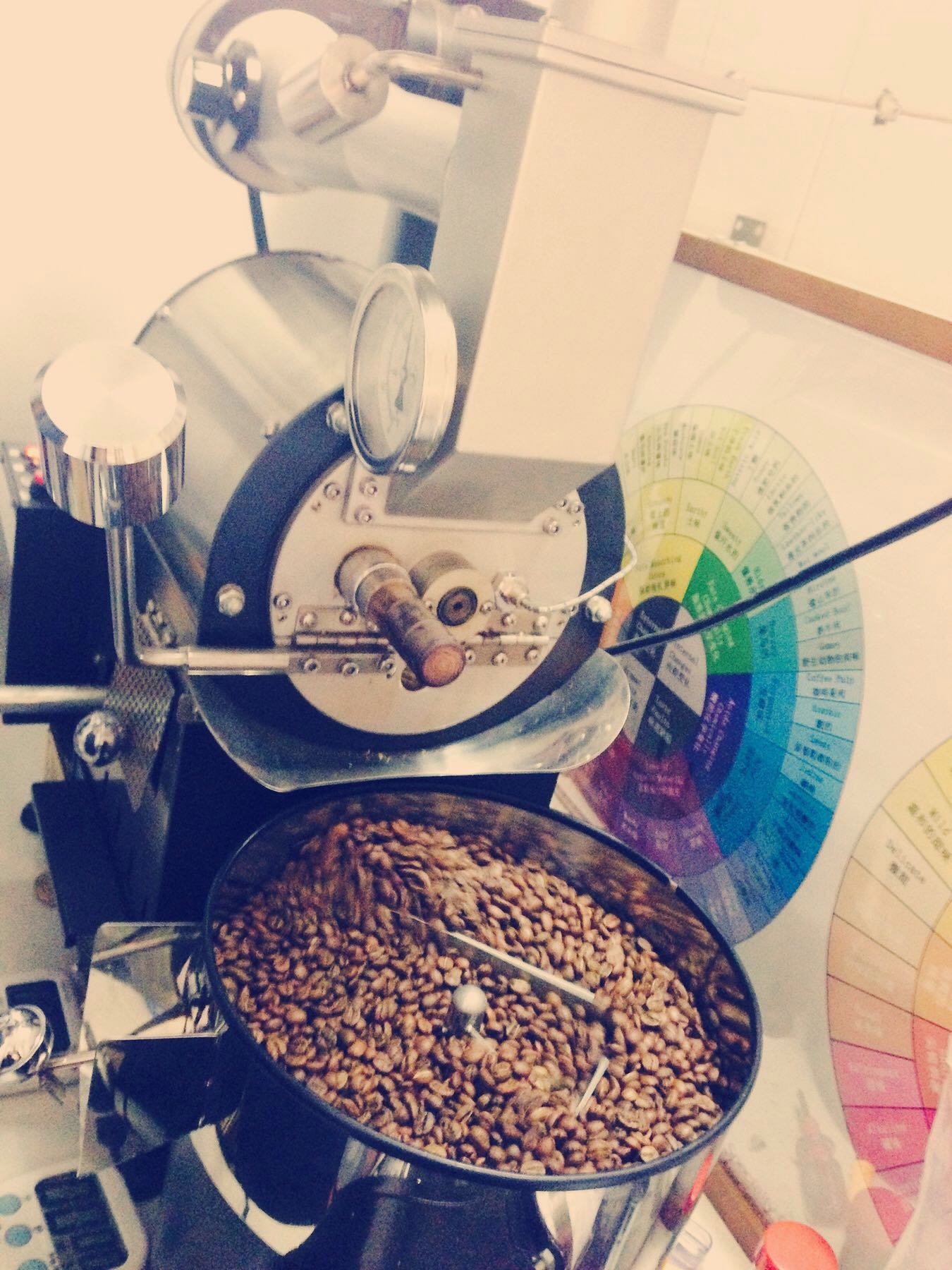
Key points of coffee roasting techniques: basic chemical reactions that take place during coffee roasting
Basic chemical reactions that occur during coffee roasting author: Carl Staub originates from the SCAA baking color classification system, developed by Agtron SCAA 1995 original text from: http://www.sweetmarias.com/roast.carlstaub.html translation: Grant, http://www.baristacn.com/forum/thread-1583-1-1.html in the roasting process
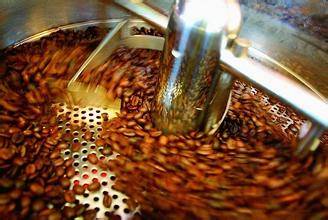
The basic chemical reaction that occurs during coffee roasting. The ingredients produced by the degree of coffee roasting.
Basic chemical reactions that occur during coffee roasting author: Carl Staub originates from the SCAA baking color classification system, developed by Agtron SCAA 1995 original text from: http://www.sweetmarias.com/roast.carlstaub.html translation: Grant, http://www.baristacn.com/forum/thread-1583-1-1.html in the roasting process

Legends of coffee beans, the raw materials for making coffee.
Arabs began to roast and grind coffee beans, and because drinking was strictly forbidden in the Koran, Arabs consumed a lot of coffee. So religion is actually a big factor in the widespread popularity of coffee in the Arab world. Coffee beans. The story of the shepherd legends that there was a shepherd card on the Ethiopian plateau in Africa around the tenth century AD.

What is the difference between the coffee flavor of Alida Manor in Panama and Jensen Manor in Panama?
Professional coffee knowledge exchange more coffee bean information please pay attention to the coffee workshop (Wechat official account cafe_style) Panama Elida Manor, Alida (Aida) is located in the Boquete producing area, the manor is almost the highest in Panama, is a rare ultra-high altitude manor in Central America! Thanks to the unique climate of Boquete, the dry and wet seasons are distinct.

Chinese Coffee is popular in the United States
The word "Chinese coffee" may sound strange to you, but it has almost reached a household name in the United States. The top professor in the field of soybean research in the United States even said that "Chinese coffee" is a "secret weapon" to improve the dietary structure of Americans.

100 flavor coffee nose smell bottle 100 flavor tea smell bottle coffee taste cup test
Professional coffee knowledge exchange more coffee bean information please follow coffee workshop (Wechat official account cafe_style) 1, guava guava 2, mangosteen mangosteen 3, mango mango 4, banana banana 5, coconut coconut 6, passion fruit passionfruit 7, watermelon watermelon 8, papaya papaya 9, tropical fruit tropical fruit 10
Why does coffee look so pretentious?
Coffee in Europe at first only royal and aristocratic members in alcohol and beauty outside of an exotic, playful nature of the drink, and Chinese porcelain, Persian blankets no essential difference. Their taste is not adapted to such bitterness, nor is there any demand for functionality in the drink. Coffee, as a drink, was an empty signifier for the royal family that really made them

Description of roasting degree, taste and flavor of Ugandan coffee beans A brief introduction to the treatment of varieties in producing areas
A brief introduction to the roasting degree and flavor of Ugandan coffee beans; Coffee originated in Ethiopia in Africa and then moved to Yemen in the Arab region of the Middle East, so some people call it Arabica. Then it spread to Java, Indonesia, and from there to Latin America. African coffee was previously grown in the Congo, Uganda and other places, for Robster coffee, but also
Legend of the shepherd's discovery of coffee
There are many legends about the discovery of coffee, one of which is according to Rothschild, a Roman linguist. Records of Neroy (1613-1707): around the sixth century, when Kardai, an Arab shepherd, was herding sheep to the Isobian prairie for grazing, he was very excited and excited to see each goat. He felt very strange. After careful observation, it was found that these sheep were

Introduction to Jensen Manor, the Rookie Manor of Panamanian Coffee Rosa Coffee Variety
For the exchange of professional baristas, please follow the coffee workshop (Wechat official account cafe_style) Panamanian Coffee Jensen Manor selection Rosa Coffee / Geisha/ Geisha Coffee Panama Janson Coffee Farm Geisha Collection the Peterson family of Panama first introduced the variety of geisha to everyone in 2004, since then the international community has been crazy about Geisha! Again

Legend of the shepherd's discovery of coffee
There are many legends about the discovery of coffee, one of which is according to Rothschild, a Roman linguist. Records of Neroy (1613-1707): around the sixth century, when Kardai, an Arab shepherd, was herding sheep to the Isobian prairie for grazing, he was very excited and excited to see each goat. He felt very strange. After careful observation, it was found that these sheep were

Introduction to the Cup Test of FINCA LINA Fern Kaarina Manor in Caldas, Colombia
Country: Columbia Manor: FINCA LINA Finn Kaarina production area: Caldas Variety: Kaddura treatment: washing Cup Test report: Colombia is currently the second largest Arabica coffee producer in the world, producing coffee from beginning to end because of the climate, which is a good thing for consumers, but not a good thing for hard-working farmers.
Do you know how the name of coffee comes from?
It'starts with Ethiopian legends in the 5 th century AD.