
"Classified"
5227 article(s) found

Rwanda Coffee Origin Rwanda Coffee Taste
Rwandans have been growing coffee since colonial times, but until 1999, its products were still classified as below Class C and were not popular in the global market. The reason for the poor quality is that farmers do not have a fixed procedure for washing coffee beans and do not process coffee fruits according to specifications in time. Buyers buy coffee beans at $0.33 per kilogram, and farmers keep warm by the meagre profits earned at low prices.

The source of washed coffee from Rwanda
Rwandans have been growing coffee since colonial times, but until 1999, its products were still classified as below Class C and were not popular in the global market. The reason for the poor quality is that farmers do not have a fixed procedure for washing coffee beans and do not process coffee fruits according to specifications in time. Buyers buy coffee beans at $0.33 per kilogram, and farmers keep warm by the meagre profits earned at low prices.

Ethiopian Coffee beans | Ethiopian Coffee producing areas | Yega Xuefei ECX selected Water to wash G1
Professional coffee knowledge exchange for more information about coffee beans, please follow the coffee workshop (Wechat official account cafe_style) ECX selected washing G1 Ethiopia washed Yirgacheffe ECX Specialty G1 2017 Dec in Yega Sheffield Town, Ethiopia. New seasonal bean varieties: Heirloom native species producing area: Ethiopia Yirgacheffe A

Is it okay to make drip filtration with Italian beans? What is the difference between American coffee and Italian coffee beans?
Professional coffee knowledge exchange more coffee bean information please follow the coffee workshop (Wechat official account cafe_style) coffee bean blending knowledge Italian coffee bean formula sharing I think I should put it this way: Italian coffee is classified by coffee brewing; American coffee is classified by taste. Espresso: mocha pot, barrel machine (spring pressurized or pump pressurized es

Brazilian sweet coffee generally refers to coffee produced in Brazil.
Brazilian coffee generally refers to coffee produced in Brazil. There is a wide variety of Brazilian coffee, the vast majority of which are unwashed and sun-dried, classified according to the name of the state of origin and the port of transport. Brazil has 21 states and 17 states produce coffee, but four of them produce the largest, accounting for 98% of the country's total output. Brazilian coffee has a low sour taste, which goes well with coffee.
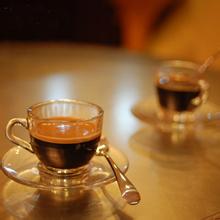
The latest introduction of fine coffee, raw beans, Brazilian coffee
Brazilian coffee generally refers to coffee produced in Brazil. There is a wide variety of Brazilian coffee, the vast majority of which are unwashed and sun-dried, classified according to the name of the state of origin and the port of transport. Brazil has 21 states and 17 states produce coffee, but four of them produce the largest, accounting for 98% of the country's total output. Brazilian coffee has a low sour taste, which goes well with coffee.

Introduction to the treatment methods of fine Rwandan coffee beans
Rwandans have been growing coffee since colonial times, but until 1999, its products were still classified as below Class C and were not popular in the global market. The reason for the poor quality is that farmers do not have a fixed procedure for washing coffee beans and do not process coffee fruits according to specifications in time. Buyers buy coffee beans at $0.33 per kilogram, and farmers keep warm by the meagre profits earned at low prices.

Introduction to the flavor and taste characteristics of the moderate sour and bitter Panamanian coffee manor
Because of its small quantity, Panamanian coffee products are based on special coffee. The country provides its high-quality products to specialized stores around the world, such as Denmark, Britain, Greece, Norway, Sweden, South Korea, Japan, Taiwan and the United States. "Panamanian coffee beans | how about Panamanian coffee beans, Mr. Wen? Panamanian coffee is divided into small batches and classified by w.kaf.name "Panamanian Coffee cultivation"
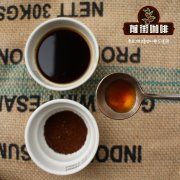
Yega Sheffield grades are mainly defective beans. Is Arabica coffee beans expensive?
Professional coffee knowledge exchange more coffee bean information please follow the coffee workshop (Wechat official account cafe_style) Front Street-Yega Xuefei grading introduction Ethiopia Mercantile Exchange (ECX-Ethiopia Commodity Exchange) is an agricultural market where buyers and sellers come together to trade to ensure quality, delivery and payment. ECX's vision is to become

Flavor characteristics of Ethiopian Bancimaji Coffee introduction to the planting method of Ethiopian Coffee
Professional coffee knowledge exchange more coffee bean information please follow the coffee workshop (Wechat official account cafe_style) in 1995, Ethiopia redivided the area into 9 states (Region) and 2 municipalities directly under the Central Government (Addis Abba and Dire Dawa). Most of the former Sidamo provinces were classified into OROMIA states, while a small number (Sidama, Gedeo) plus Kaffa were classified as new.

Boutique coffee Brazilian coffee
Brazilian coffee generally refers to coffee produced in Brazil. There is a wide variety of Brazilian coffee, the vast majority of which are unwashed and sun-dried, classified according to the name of the state of origin and the port of transport. Brazil has 21 states and 17 states produce coffee, but four of them produce the largest, accounting for 98% of the country's total output. Brazilian coffee has a low sour taste, which goes well with coffee.
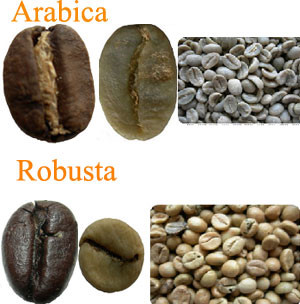
Let's talk about the benefits and characteristics of robusta coffee beans that you've never known before.
People always habitually look at things in dichotomy, good and bad, good and evil, good and bad. The same is true in the world of coffee. Arabica coffee beans are always classified as good, while its distant relative, Robusta, is often classified as bad. We might describe it this way, if Arabica is a gift from an angel.

Columbia Medellin Coffee introduces what is Colombian Supremo Coffee?
Professional coffee knowledge exchange more coffee bean information Please follow the coffee workshop (Wechat official account cafe_style) the flavor of Colombian coffee is according to the size of raw beans (sieve), mainly classified into Supremo (sieve 17) and Excelso (sieve 14 beat 16). Supremo is Colombia's high-quality raw beans. Fertile soil located in volcanic type
Individual coffee is recommended to meet Brazilian coffee
Brazilian coffee Brazils to distinguish it from Milds coffee. The vast majority of Brazilian coffee is unwashed and sun-dried and is classified according to the name of the state of origin and port of transport. Brazil has 21 states and 17 states produce coffee, but four of them produce the largest, accounting for 98% of Brazil's total output. They are: Parana, SaoPaulo and rice.
Introduction to Brazilian Coffee
Brazilian coffee generally refers to coffee produced in Brazil. There is a wide variety of Brazilian coffee, the vast majority of which are unwashed and sun-dried, classified according to the name of the state of origin and the port of transport. Brazil has 21 states and 17 states produce coffee, but four of them produce the largest, accounting for 98% of the country's total output. Brazilian coffee has a low sour taste, which goes well with coffee.

Introduction to the characteristics of Rwanda Coffee Bean Flavor Manor producing area Coffee growing Environment in Rwanda
Rwandans have been growing coffee since colonial times, but until 1999, its products were still classified as below Class C and were not popular in the global market. The reason for the poor quality is that farmers do not have a fixed procedure for washing coffee beans and do not process coffee fruits according to specifications in time. Buyers buy coffee beans at $0.33 per kilogram, and farmers keep warm by the meagre profits earned at low prices.

Coffee grinder powder bin disassembly-Pegasus 600n grinder disassembly
Coffee grinder powder bin disassembly-Pegasus 600n grinder disassembly grinder is generally classified by coffee extraction method, divided into single coffee grinder and Italian coffee grinder two categories! According to the structure of the millstone can be divided into flat knife, cone knife, ghost teeth three categories! Classified according to the mode of work can be divided into manual and electric. But whatever the category, my personal advice is to buy the best you can afford.
High-quality Coffee to know Brazilian Coffee
Platinum Coffee Institute learn Coffee: know Brazilian coffee Brazils to distinguish it from Milds coffee. The vast majority of Brazilian coffee is unwashed and sun-dried and is classified according to the name of the state of origin and port of transport. Brazil has 21 states and 17 states produce coffee, but four of them produce the largest, accounting for 98% of Brazil's total output. They are: Parana (P

Introduction to the grinding scale of taste treatment method for the characteristics of Ecuadorian coffee flavor varieties
People always habitually look at things in dichotomy, good and bad, good and evil, good and bad. The same is true in the world of coffee. Arabica coffee beans are always classified as good, while its distant relative, Robusta, is often classified as bad. We might describe it this way, if Arabica is an angel.
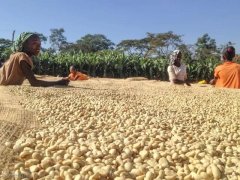
How are Ethiopian coffee beans graded? What's the difference between G1 and G3?
Professional coffee knowledge exchange more coffee bean information Please pay attention to the coffee workshop (Wechat official account cafe_style) often see Essel beans packaging written on what G1, G2, G3, what do these represent? What is the difference between them? The grading of Ethiopian coffee beans first of all, the Ethiopian Ministry of Agriculture has a person called CLU (Cupping and Liquoring Unit).