
"Frost"
4934 article(s) found

Bolivian Coffee characteristics Manor Flavor and taste introduce Bolivian Coffee Brand
The seat of the government and parliament, the largest city and political, economic and cultural center in the country, with a population of 2.7416 million. The city center, which is 3660 meters above sea level, is the highest seat of government in the world. La Paz was founded in 1548 and means the city of peace in Spanish. [6] the legal capital of Sucre, the seat of the Supreme Court, population 284000, 2790 meters above sea level. Founded in 1538, the city was formerly known as Chuquisaka. one

Description of Coffee Flavor in Incht Manor, Guatemala; introduction to the taste of varieties in producing areas
In 1982, the leftist guerrillas of the whole country merged to form the National Revolutionary Union of Guatemala, and armed struggle spread all over the country. Farmers dissatisfied with the overthrow of the Arbens regime organized a guerrilla group in which more than 100,000 people were killed and millions displaced. In September 1982, the persecution of the local Mayans by the Guatemalan army was close to genocide, and more than 9000 Mayans were killed. nineteen

Does fancy coffee need to be stirred?-introduction to the flavor and taste of the method and production method.
Jamaica Frost Coffee 1. Add iced coffee 4 minutes full, add ice cubes, add 5 grams of sugar oars. 2. Add ball ice cream and raisins to the ice cream. 6. Southern Lianqu iced coffee (pure iced coffee) 1. Add 3 minutes of coconut milk, add 10 grams of syrup, and then stir well. 2. Add iced coffee to 8 minutes full, never pour it too fast, so as to avoid damage.
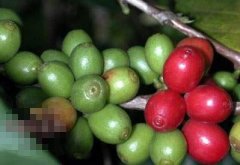
Three native species of coffee
There are about 40 species of coffee, but only one of them can produce coffee beans of commercial value. Arabica, Robusta and Liberia are called the "three native species of coffee".

Starting with Coffee beans (16)-America-Bolivia
In the past, coffee trees in Bolivia used to act as hedges and ornaments around the garden. Real commercial production began in the early 1950s. The great frost of 1957 seriously damaged Brazil's coffee industry, while Bolivia (Bolivia) benefited from it and developed rapidly. Bolivian coffee is grown at an altitude of 180,670 meters above sea level, including Allah.
Starting with Coffee beans (35)-Africa-South Africa
It is fragrant with less acidity, reminiscent of coffee beans from Central America. Coffee production in South Africa (South Africa) is mainly in the northeast of the country, from Natal between Transvaal and Mozambique, extending northward to Transvaal, with the southernmost limit of latitude 30 south; further south, coffee cannot be grown due to the harm of early frost.

Coffee producing area in South Africa
Coffee production in South Africa (South Africa) is mainly in the northeast of the country, from Natal between Transvaal and Mozambique, extending northward to Transvaal, with the southernmost limit of latitude 30 °S; further south, coffee cannot be grown due to the harm of early frost.
Global coffee producing area-Bolivia
In the past, coffee trees in Bolivia used to act as hedges and ornaments around the garden. Real commercial production began in the early 1950s. The coffee industry in Brazil was seriously damaged by the great frost in 1975, while Bolivia (Bolivia) benefited from it and developed rapidly. The origin of Bolivian coffee: Bolivian coffee at an altitude of 180 Muhami 670 meters.
Coffee from Bolivia
Coffee trees used to be planted around gardens as hedges and ornamental plants in Bolivia. Real commercial production began in the early 1950s. The 1975 frost severely damaged Brazil's coffee industry, but Bolivia benefited from it and grew rapidly. Bolivian coffee production: Bolivian coffee at an altitude of 180--670 meters
Coffee producing area-Bolivia
In the past, coffee trees in Bolivia used to act as hedges and ornaments around the garden. Real commercial production began in the early 1950s. The coffee industry in Brazil was badly damaged by the great frost in 1957, while Bolivia (Bolivia) benefited and developed rapidly. Bolivian coffee is grown at an altitude of 180,670 meters above sea level, including Allah.
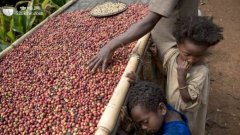
World boutique coffee producing area Bolivian coffee beans
In the past, coffee trees in Bolivia used to act as hedges and ornaments around the garden. Real commercial production began in the early 1950s. The great frost of 1957 seriously damaged Brazil's coffee industry, while Bolivia (Bolivia) benefited from it and developed rapidly. Bolivian coffee is grown at an altitude of 180,670 meters above sea level, including Allah.

The world's fine coffee is produced in South Africa.
It is fragrant with less acidity, reminiscent of coffee beans from Central America. Coffee production in South Africa (South Africa) is mainly in the northeast of the country, from Natal between Transvaal and Mozambique, extending northward to Transvaal, with the southernmost limit of latitude 30 south; further south, coffee cannot be grown due to the harm of early frost.
Coffee beans Africa South Africa
It is fragrant with less acidity, reminiscent of coffee beans from Central America. Coffee production in South Africa (South Africa) is mainly in the northeast of the country, from Natal between Transvaal and Mozambique, extending northward to Transvaal, with the southernmost limit of latitude 30 south; further south, coffee cannot be grown due to the harm of early frost.
Coffee beans Bolivia in the Americas
In the past, coffee trees in Bolivia used to act as hedges and ornaments around the garden. Real commercial production began in the early 1950s. The great frost of 1957 seriously damaged Brazil's coffee industry, while Bolivia (Bolivia) benefited from it and developed rapidly. Bolivian coffee is grown at an altitude of 180,670 meters above sea level, including Allah.
World Coffee producer Bolivia Bolivia
From serving as a garden hedge to coffee grown exclusively on the manor, coffee trees in Bolivia used to be planted around the garden as hedges, decorating flowers and trees. Real commercial production began in the early 1950s. The coffee industry in Brazil was badly damaged by the great frost in 1957, while Bolivia (Bolivia) benefited and developed rapidly. Bolivian coffee in the sea

Coffee knowledge Coffee Origin South Africa
It is fragrant with less acidity, reminiscent of coffee beans from Central America. Coffee production in South Africa (South Africa) is mainly in the northeast of the country, from Natal between Transvaal and Mozambique, extending northward to Transvaal, with the southernmost limit of latitude 30 south; further south, coffee cannot be grown due to the harm of early frost.

Coffee knowledge Coffee origin Bolivia
Coffee trees used to be planted around gardens as hedges and ornamental plants in Bolivia. Real commercial production began in the early 1950s. Brazil's coffee industry was badly damaged by the 1957 frost, but Bolivia benefited from it and grew rapidly. Bolivian coffee is grown at an altitude of 180 to 670 meters, with Arabica
Fine Coffee Learn Global Coffee Production Zone
That is, coffee production zone, between 25 degrees north latitude to 30 degrees south latitude, including central, west Africa, central Southeast Asia, the Pacific Ocean, Latin America, the Caribbean Sea many countries. Global coffee cultivation is concentrated in this belt because of temperature constraints. Coffee trees are very vulnerable to frost damage, latitude north or south is not suitable, only tropical areas are suitable, the heat of this area
The world's fine coffee is produced in South Africa.
It is fragrant with less acidity, reminiscent of coffee beans from Central America. Coffee production in South Africa (South Africa) is mainly in the northeast of the country, from Natal between Transvaal and Mozambique, extending northward to Transvaal, with the southernmost limit of latitude 30 south; further south, coffee cannot be grown due to the harm of early frost.

Fine Coffee study Coffee from Bolivia
In the past, coffee trees in Bolivia used to act as hedges and ornaments around the garden. Real commercial production began in the early 1950s. The great frost of 1957 seriously damaged Brazil's coffee industry, while Bolivia (Bolivia) benefited from it and developed rapidly. Bolivian coffee is grown at an altitude of 180,670 meters above sea level, including Allah.