
"Frost"
4934 article(s) found

High-quality coffee bean producing countries introduce coffee from Honduras
Coffee in Honduras is imported from El Salvador. Coffee production in Honduras increased significantly after the Brazilian frost in 1975, more than tripling in 20 years. Coffee producing area in Honduras: as in other places, the coffee grade in Honduras depends on altitude: coffee grown at 700-1000 meters above sea level is medium, 1000-1000 above sea level.

The producer of boutique coffee beans introduces Bolivian coffee.
In the past, coffee trees in Bolivia used to act as hedges and ornaments around the garden. Real commercial production began in the early 1950s. The coffee industry in Brazil was seriously damaged by the great frost in 1975, while Bolivia (Bolivia) benefited from it and developed rapidly. The origin of Bolivian coffee: Bolivian coffee at an altitude of 180 Muhami 670 meters.

Coffee from South Africa tastes fragrant and has less acidity.
It is fragrant with less acidity, reminiscent of coffee beans from Central America. Coffee production in South Africa (South Africa) is mainly in the northeast of the country, from Natal between Transvaal and Mozambique, extending northward to Transvaal, with the southernmost limit of latitude 30 south; further south, coffee cannot be grown due to the harm of early frost.
Coffee producing country Bolivia boutique coffee bean producing country
In the past, coffee trees in Bolivia used to act as hedges and ornaments around the garden. Real commercial production began in the early 1950s. The great frost of 1957 seriously damaged Brazil's coffee industry, while Bolivia (Bolivia) benefited from it and developed rapidly. Bolivian coffee is grown at an altitude of 180,670 meters above sea level, including Allah.

Global coffee producing area-Honduras
Coffee in Honduras is imported from El Salvador. Coffee production in Honduras increased significantly after the Brazilian frost in 1975, more than tripling in 20 years. Coffee producing area in Honduras: as in other places, the coffee grade in Honduras depends on altitude: coffee grown at 700-1000 meters above sea level is medium, 1000-1000 above sea level.

Global Coffee producing area-Bolivian Coffee Market
In the past, coffee trees in Bolivia used to act as hedges and ornaments around the garden. Real commercial production began in the early 1950s. The coffee industry in Brazil was seriously damaged by the great frost in 1975, while Bolivia (Bolivia) benefited from it and developed rapidly. The origin of Bolivian coffee: Bolivian coffee at an altitude of 180 Muhami 670 meters.

Bolivian coffee trees are often planted around gardens as hedges
Coffee trees used to be planted around gardens as hedges and ornamental plants in Bolivia. Real commercial production began in the early 1950s. Brazil's coffee industry was badly damaged by the 1957 frost, but Bolivia benefited from it and thrived. Bolivian coffee is grown at an altitude of 180 to 670 meters, of which Arabian coffee is grown at an altitude of 180 to 670 meters.

World Coffee Boutique Estate: Natal, South Africa
Aromatic and less acidic, reminiscent of coffee beans from Central America. Coffee production in South Africa is mainly in the north-east of the country, from Natal between Lesotho and Mozambique, extending northward to Transvaal, with the southernmost limit being latitude 30 south; further south coffee cannot be grown due to early frost.

South African coffee beans in Africa have the characteristics of fragrant flavor and low acidity.
South Africa is fragrant with less acidity, reminiscent of Central American coffee beans. Coffee production in South Africa (South Africa) is mainly in the northeast of the country, from Natal between Transvaal and Mozambique, extending northward to Transvaal, with a southernmost limit of latitude 30; further south, it cannot be planted due to the harm of early frost.
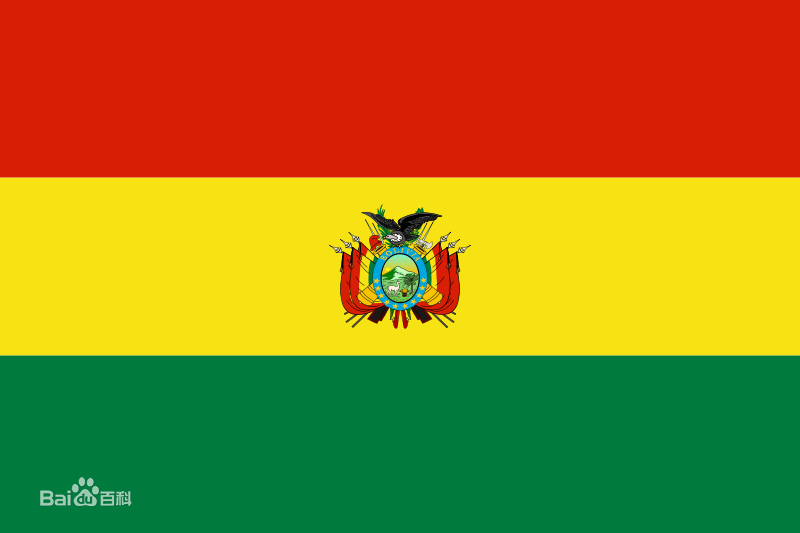
A brief introduction of Bolivian Fine Bean Flavor in South America description and Evaluation of Bolivian Coffee Flavor
In the past, coffee trees in Bolivia used to act as hedges and ornaments around the garden. Real commercial production began in the early 1950s. The great frost of 1957 seriously damaged Brazil's coffee industry, while Bolivia (Bolivia) benefited from it and developed rapidly. Bolivian coffee is grown at an altitude of 180,670 meters above sea level.
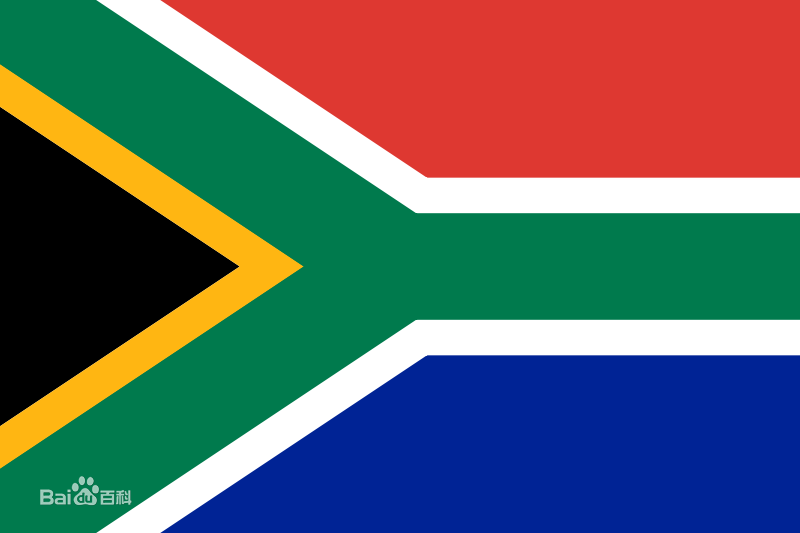
South African Fine Bean Flavor description South African Coffee Bean Kenya Coffee Bean Flavor description
It is fragrant with less acidity, reminiscent of coffee beans from Central America. Coffee production in South Africa (South Africa) is mainly in the northeast of the country, from Natal between Transvaal and Mozambique, extending northward to Transvaal, with a southernmost limit of latitude 30; further south, it cannot be planted due to the harm of early frost.
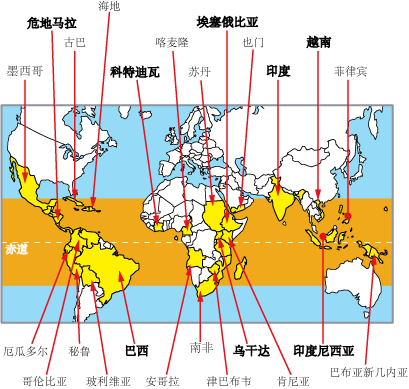
Coffee producing area 53 coffee producing areas worldwide Bolivian coffee producing area Bolivia coffee
Bolivia from serving as a garden hedge to coffee grown exclusively on a manor. In the past, Bolivian coffee trees used to act as hedges around the garden, decorating flowers and trees. Real commercial production began in the early 1950s. The coffee industry in Brazil was badly damaged by the great frost in 1957, while Bolivia (Bolivia) benefited and developed rapidly. Glass

An introduction to Guatemalan Coffee-- Guatemalan Coffee from Mini Tenanguo Highland Coffee
Of the three major non-volcanic coffee-producing regions in Guatemala, the Weitango Highland has the driest climate and the highest elevation. The dry and hot wind from Mexico's Tehuantepec plateau protects the area's coffee from frost and can be grown to 2000 meters (6500 feet). Because of its remote location, all coffee farmers have to process their own coffee.
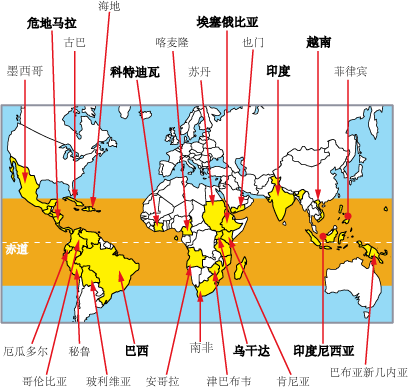
Characteristics of Arabica beans Coffee beans from Suriname
South Africa is fragrant with less acidity, reminiscent of Central American coffee beans. Coffee production in South Africa (South Africa) is mainly in the northeast of the country, from Natal between Transvaal and Mozambique, extending northward to Transvaal, with a southernmost limit of latitude 30 south. Further south, it cannot be caused by early frost.

Honduran Coffee Introduction Honduran Coffee Features Honduran Coffee Taste Hong
Coffee in Honduras is imported from El Salvador. After the Brazilian frost of 1975, coffee production in Honduras increased significantly, more than tripling in 20 years. Coffee growing in Honduras: As elsewhere, coffee grades in Honduras depend on altitude: coffee grown at 700-1000 meters above sea level is medium, and coffee grown at 1000-1000 meters above sea level is medium.

Guatemala boutique coffee producing area introduces Wei Wei coffee beans in Mini Nanguo Highland Coffee Manor.
Of the three major non-volcanic coffee-producing regions in Guatemala, the Weitango Highlands has the driest climate and the highest elevation. The dry and hot wind from Mexico's Tehuantepec plateau protects the coffee from frost and can be grown to 2000 meters (6500 feet). Because of its remote location, all coffee farmers have to process their own coffee, but fortunately there are no streams in the area.

Introduction to the coffee producing area of Guatemala-- the high quality coffee bean producing area of Mini Tenanguo Highland
Of the three major non-volcanic coffee-producing regions in Guatemala, the Weitango Highlands has the driest climate and the highest elevation. The dry and hot wind from Mexico's Tehuantepec plateau protects the coffee from frost and can be grown to 2000 meters (6500 feet). Because of its remote location, all coffee farmers have to process their own coffee, but fortunately there are no streams in the area.

Guatemala Micro Nanguo Highland Coffee Manor introduction of boutique coffee producing areas introduction of Guatemala
Of the three major non-volcanic coffee-producing regions in Guatemala, the Weitango Highlands has the driest climate and the highest elevation. The dry and hot wind from Mexico's Tehuantepec plateau protects the coffee from frost and can be grown to 2000 meters (6500 feet). Because of its remote location, all coffee farmers have to process their own coffee, but fortunately there are no streams in the area.

Honduran coffee bean flavor coffee price raw bean merchant Himalayan manor half-sun red bourbon
Coffee in Honduras is imported from El Salvador. Coffee production in Honduras increased significantly after the Brazilian frost in 1975, more than tripling in 20 years. Coffee producing area in Honduras: as in other places, the coffee grade in Honduras depends on altitude: coffee grown at 700-1000 meters above sea level is medium, 1000-1000 above sea level.

Coffee beans and Coffee production area of Mini Nanguo Highland Manor in Guatemala
Of the three major non-volcanic coffee-producing regions in Guatemala, the Weitango Highland has the driest climate and the highest elevation. The dry and hot wind from Mexico's Tehuantepec plateau protects the area's coffee from frost and can be grown to 2000 meters (6500 feet). Because of its remote location, all coffee farmers have to process their own coffee.