
"Martinique"
2325 article(s) found

What are the characteristics of Ironpika Coffee? deep roasting of ancient coffee varieties
Professional coffee knowledge exchange more coffee bean information please follow the coffee workshop (Wechat official account cafe_style) Tibica trees have a longer life originally grown in Martinique Island, now mainly produced in Yamaiga, Kona region of Hawaii, Papua New Guinea and Timor-Leste. In addition, parts of Colombia and Cuba, Dominica and other places

Iron pickup coffee beans iron pickup coffee characteristics what is the variety of blue mountain coffee
Professional coffee knowledge exchange more coffee bean information Please follow Coffee Workshop (Wechat official account cafe_style) Typica, which originated from Yemeni descent, was first brought to Malabar, India, and later brought to Indonesia by the Dutch. Later, it went to the French colony of Martinique in the West Indies. Typica has evolved new traits through genetic evolution, usually by

Panamanian Crystal River Manor Coffee how to drink Panamanian Coffee in Panamanian Coffee producing area
Professional coffee knowledge exchange more coffee bean information Please follow Coffee Workshop (Wechat official account cafe_style) Typica, which originated from Yemeni descent, was first brought to Malabar, India, and later brought to Indonesia by the Dutch. Later, it went to the French colony of Martinique in the West Indies. Typica has evolved new traits through genetic evolution, usually by

Introduction of Dominica Siwao Coffee Taste and Siwao Coffee producing area
Cibao, located in Siwao in the Central Mountains of Dominica, is mostly cultivated by Kaddura species and is home to all kinds of large-scale farms. To trace the origin of Tibica, we should first talk about the coffee trees originally planted in Martinique. Siwao has many large-scale farms, with coffee, rice and cocoa juxtaposed as important crops in the area. ■ aroma: slightly cocoa ■ taste

Coffee from Venezuela
Coffee trees were imported from Martinique as early as 1730, but coffee production was almost abandoned during the heyday of the oil industry. Coffee plantations have recently begun to revive, with the old Tipica and Bourbon trees and new plantations laying the groundwork for coffee exports.

The characteristics of Venezuelan coffee
Venezuela introduced coffee trees from Martinique as early as 1730, but coffee production was almost abandoned at the height of the oil industry. Recently, coffee plantations have begun to recover, with original Tipica and bourbon coffee trees and new plantations laying the foundation for coffee exports.

Boutique Coffee Coffee from Venezuela
The distinctive manor coffee comes from this oil-rich country. Oil was once considered to be the main export of Venezuela. Although coffee trees were introduced from Martinique in 1730 and Venezuela, coffee production was almost abandoned at the height of the oil industry. Recently, coffee plantations have begun to recover, with the original planting of Tipica and

The coffee producing area of Venezuela.
Venezuela introduced coffee trees from Martinique as early as 1730, but coffee production was almost abandoned at the height of the oil industry. Recently, coffee plantations have begun to recover, with original Tipica and bourbon coffee trees and new plantations laying the foundation for coffee exports.

A brief introduction to the description of flavor and aroma characteristics of Dominica coffee beans treated by washing
Unlike coffee produced in Haiti, most of the coffee grown in the Dominican Republic has been washed, which is a symbol of high quality. In the early 18th century, coffee was introduced to Domiga from Martinique, and fine coffee was produced in the north represented by Hibao and in the south, including Okayabani Santo Domingo. Among them, coffee from Santo Domingo and Barney

Coffee knowledge Coffee producing area Venezuela
The distinctive manor coffee comes from this oil-rich country. Oil was once considered to be the main export of Venezuela. Although coffee trees were introduced from Martinique in 1730 and Venezuela, coffee production was almost abandoned at the height of the oil industry. Recently, coffee plantations have begun to recover, with the original planting of Tipica and
Coffee producing area-Venezuela
Oil was once considered to be the main export of Venezuela. Although coffee trees were introduced from Martinique in 1730 and Venezuela, coffee production was almost abandoned at the height of the oil industry. Recently, coffee plantations have begun to recover, with original Tipica and bourbon coffee trees and new plantations laying the foundation for coffee exports.
Coffee beans America Venezuela
The distinctive manor coffee comes from this oil-rich country. Oil was once considered to be the main export of Venezuela. Although Venezuela introduced coffee trees from Martinique as early as 1730, coffee production was almost abandoned at the height of the oil industry. Recently, coffee plantations have begun to recover, the original planting of Tipica and Bo
The spread and development of coffee
European historians argue that as early as 800 years ago, there were artificial coffee trees for trade in Yemen in the southern Arabian Peninsula, and there was historical evidence that at that time, there was indeed trade across the Red Sea between Yemen and Ethiopia.
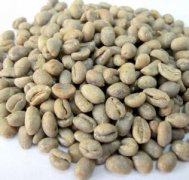
Global Coffee producing area Venezuela Coffee Market
Venezuela introduced coffee trees from Martinique as early as 1730, but coffee production was almost abandoned at the height of the oil industry. Recently, coffee plantations have begun to recover, with original Tipica and bourbon coffee trees and new plantations laying the foundation for coffee exports.
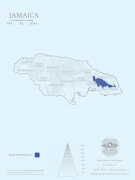
How about Jamaica coffee? Introduction and Grading System of Jamaica Coffee
Governor Sir Nicholas Rouse in 1728 received coffee plants from the governor of Martinique and immediately planted them in the St Andrews area. Production was limited in the first half of the century, but as coffee cultivation expanded from St Andrews to the Blue Mountains, it flourished in 686 plantations. By 1814, Jamaica's peak annual production exceeded 16,5

Venezuela, the producer of fine coffee in the world.
The distinctive manor coffee comes from this oil-rich country. Oil was once considered to be the main export of Venezuela. Although coffee trees were introduced from Martinique in 1730 and Venezuela, coffee production was almost abandoned at the height of the oil industry. Recently, coffee plantations have begun to recover, with the original planting of Tipica and
Very distinctive manor coffee Venezuela
The distinctive manor coffee comes from this oil-rich country. Oil was once considered to be the main export of Venezuela. Although coffee trees were introduced from Martinique in 1730 and Venezuela, coffee production was almost abandoned at the height of the oil industry. Recently, coffee plantations have begun to recover, with the original planting of Tipica and

Venezuela's distinctive manor coffee
The distinctive manor coffee comes from this oil-rich country. Oil was once considered to be the main export of Venezuela. Although coffee trees were introduced from Martinique in 1730 and Venezuela, coffee production was almost abandoned at the height of the oil industry. Recently, coffee plantations have begun to recover, with the original planting of Tipica and

Dominica coffee producing Santo Domingo coffee with a faint fragrance
In the early 18th century, coffee was introduced to Domiga from Martinique, and fine coffee was produced in the north represented by Hibao and in the south, including Okayabani Santo Domingo. Among them, the coffee produced by Santo Domingo and Barney, which is almost synonymous with domiga coffee, is a world-famous high-quality coffee. Santo Domingo coffee, characterized by freshness and elegance.

Coffee origin Venezuela's very characteristic manor coffee
The distinctive manor coffee comes from this oil-rich country. Oil was once considered Venezuela's main export. Although coffee trees were introduced from Martinique as early as 1730 and Venezuela, coffee production was almost abandoned during the heyday of the oil industry. Coffee plantations have recently begun to revive, with the original plantations of Tipica and