
"SAutomatik64"
1159 article(s) found
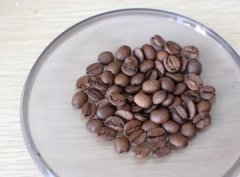
Standard for grading coffee beans
There are two ways to grade coffee beans, one is to filter the number of points, one is to elevation points. It is divided by the filter number and the size is determined by the mesh size. Round beans are generally smaller than flat beans, round beans between 8-13, flat beans between 12-29. 8,9,10... 12,13... 18... 29 = Small, Medium, Normal... It's a big... big, extra big. The bigger the number, the bigger the bean. Like SC

Grading standard of raw coffee beans
There are two ways to classify brown raw beans, one is to filter the number, and the other is to divide it by elevation. It is divided by the number of the filter screen, and the size is in the unit of the screen (size). Round beans are generally smaller than flat beans, between 8-13 and 12-29. 8, 9, 10. 12, 13. 18. 29 = small, medium, ordinary. Quasi-big. Big, extra large. The bigger the size, the bigger the beans. Like SC-1.
Classification standard of coffee raw beans for fine coffee
There are two ways to classify raw coffee beans, one is the filter number, and the other is the elevation. It is divided by the number of the filter screen, and the size is in the unit of the screen (size). Round beans are generally smaller than flat beans, between 8-13 and 12-29. 8, 9, 10. 12, 13. 18. 29 = small, medium, ordinary. Quasi-big. Big, extra large. The bigger the size, the bigger the beans. Like SC.

Quality coffee beans, knowledge, classification of raw coffee beans
There are two ways to classify raw coffee beans, one is the filter number, and the other is the elevation. It is divided by the number of the filter screen, and the size is in the unit of the screen (size). Round beans are generally smaller than flat beans, between 8-13 and 12-29. 8, 9, 10. 12, 13. 18. 29 = small, medium, ordinary. Quasi-big. Big, extra large. The bigger the size, the bigger the beans. Like SC.
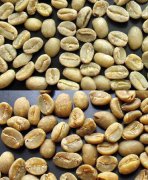
Grading of raw coffee beans
There are two ways to classify raw coffee beans, one is the filter number, and the other is the elevation. It is divided by the filter number, and the size is size in terms of the screen size. Round beans are generally smaller than flat beans, between 8-13 and 12-29. 8, 9, 10. 12, 13. 18. 29 = small, medium, ordinary. Quasi-big. Big, extra large. The bigger the size, the bigger the beans. Like SC-.

A brief introduction to the grading system of Kenyan Coffee beans how to brew and share Kenyan coffee at a ratio of 1 to 15
Professional coffee knowledge exchange more coffee bean information please follow the coffee workshop (Wechat official account cafe_style) front street-Kenya raw bean grading, brewing parameters sharing according to the sieve grading method is the method of grading according to the size of coffee beans. Raw beans are graded by determining the size of the beans through a holed iron plate sieve. The size of the hole in the screen is 1 inch to 64 inches.

Standard for grading of fine coffee beans, common sense coffee and raw beans
It is divided by the number of the filter screen, and the size is in the unit of the screen (size). Round beans are generally smaller than flat beans, between 8-13 and 12-29. 8, 9, 10. 12, 13. 18. 29 = small, medium, ordinary. Quasi-big. Big, extra large. The bigger the size, the bigger the beans. SC-19, for example, is the No. 19 bean. According to the elevation of the cultivated land, it can be divided into seven grades.
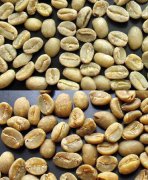
Classification of raw coffee beans in Coffee Encyclopedia
There are two ways to classify raw coffee beans, one is the filter number, and the other is the elevation. It is divided by the filter number, and the size is size in terms of the screen size. Round beans are generally smaller than flat beans, between 8-13 and 12-29. 8, 9, 10. 12, 13. 18. 29 = small, medium, ordinary. Quasi-big. Big, extra large. The bigger the size, the bigger the beans. Like SC-.
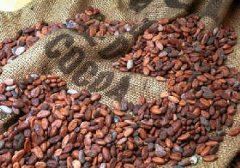
Classification of coffee beans
Grade Grade1 (level 1): washed bean highest Grade2 (second level): washed bean standard level Grade3 (third level): sun dried bean highest standard grade Grade3 (fourth level): sun dried bean standard grade Grade5 (fifth level): basic level of sun dried bean export this grading region representative: Ethiopia according to size particle classification: e Peaberry round bean super large PB P
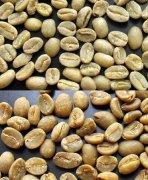
Grading of raw coffee beans there are two ways to grade raw coffee beans.
There are two ways to classify raw coffee beans, one is the filter number, and the other is the elevation. It is divided by the filter number, and the size is size in terms of the screen size. Round beans are generally smaller than flat beans, between 8-13 and 12-29. 8, 9, 10. 12, 13. 18. 29 = small, medium, ordinary. Quasi-big. Big, extra large. The bigger the size, the bigger the beans. Like SC-.
General knowledge of fine coffee beans grading of raw coffee beans
There are two ways to classify raw coffee beans, one is the filter number, and the other is the elevation. It is divided by the filter number, and the size is size in terms of the screen size. Round beans are generally smaller than flat beans, between 8-13 and 12-29. 8, 9, 10. 12, 13. 18. 29 = small, medium, ordinary. Quasi-big. Big, extra large. The bigger the size, the bigger the beans. Like SC-.

Arabica coffee varieties ~ baking methods and flavor characteristics of giant elephant beans?
Arabica Coffee Variety ~ Giant Elephant Bean (Maragogype) baking method and flavor characteristics? The giant elephant bean (Maragogype) in coffee beans is a variety of Tibica (Arabica native bean); its tree, its leaves, and its fruit are much larger than the average Arabica. By the following Kaddura (Caturra/ bourbon) giant elephant bean coffee fruit /

Introduction to the flavor and taste characteristics of El Salvador Himalayan coffee manor with beautiful sweetness
In 1998, El Salvador had a total population of 6.1 million (estimated), of which El Salvador, an Indo-European hybrid, accounted for 89 per cent, 10 per cent of Indians and 1 per cent of whites. In 2012, El Salvador had a total population of 6.090646 million, of which 90% were of mixed Indo-European race, 9% of whites, 1% of Indians, 29.7% of people aged 15 to 64, 29.7% of people aged 15 to 64, 6.6% of them aged 65 and above.

What is the micro-batch Colombian smallholder program? What are the characteristics of Colombian coffee beans?
For more information on coffee beans, please follow the Coffee Workshop (official Wechat account cafe_style) to launch a micro-batch Colombian smallholder program in 2015, which offers coffee farmers from several of Colombia's best producing areas, including Huila, Narino, Cauca, Tolima, etc., unlike many coffee farmers who grow Castillo varieties.

Is there a grade in Jamaica Blue Mountain Coffee? the grading system of coffee beans is shared.
Professional coffee knowledge exchange more coffee bean information please follow the coffee workshop (Wechat official account cafe_style) Front Street-Coffee grading system introduction 1. The way of grading by sieve is the method of grading according to the size of raw coffee beans. Raw beans are graded by determining the size of the beans through a holed iron plate sieve. The size of the hole in the screen is 1 inch 64 inches (less than 0.4).
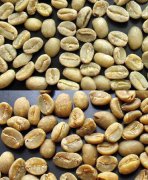
There are two methods for grading raw coffee beans in terms of sieve size, size
There are two ways to classify raw coffee beans, one is the filter number, and the other is the elevation. It is divided by the filter number, and the size is size in terms of the screen size. Round beans are generally smaller than flat beans, between 8-13 and 12-29. 8, 9, 10. 12, 13. 18. 29 = small, medium, ordinary. Quasi-big. Big, extra large. The bigger the size, the bigger the beans. Like SC-.

The giant of coffee beans, how to be selected into the boutique coffee, how to roast and cook well?
The giant elephant beans (Maragogype) in coffee beans are several species of Arabica (Arabica native bean species); its size, its size, and its fruit are much higher than those of Arabica. By the following Kaddura (Caturra/ bourbon system) (left) giant elephant bean (right) coffee real / real comparison, is it very clear to compare the size of its big friend? [coffee fruit]

Starbucks Coffee Bean Grade-Starbucks Coffee Bean Grade
Coffee Green Bean Grade Differentiation-Starbucks Coffee Bean Mill Grade Causes: 1) Agriculture: Blackening is the result of excessive fermentation of microorganisms to produce pigments. Preventive measures: 1) Agriculture. Black beans can be prevented at harvest time, picking only ripe fruits from trees, and avoiding excessive fermentation during farm processing. 2)Processing. When the coffee bean endocarp is removed, black beans are very obvious.

The cutter head of the coffee grinder is also divided into metal material, chromium-molybdenum steel cutter head and ceramic cutter head.
Professional coffee knowledge exchange more coffee bean information please follow the coffee workshop (Wechat official account cafe_style) NIVONA coffee machine, translated as: Nivina coffee machine, NIVONA company is headquartered in Nuremberg, Germany. In recent decades, the company has focused on the production of middle and high-end coffee machines, and the company has been committed to the design and marketing of innovative high-end coffee machines. From

Introduction to the evaluation standard and classification of raw coffee beans
Exchange of professional baristas Please pay attention to the coffee quantity in the coffee workshop (Wechat official account cafe_style) after delivery, and quality has become the key to the pursuit of gluttons. the difference between different grades clearly shows the advantages and disadvantages, but it is a pity that there is no unified international coffee grading standard, so that countries have their own independent grading methods. Most of the grades are based on the characteristics of various countries, mainly coffee beans.