
"SC11"
60 article(s) found

January 26 international coffee futures 116.55 cents (pounds), Yunnan local fresh beans 14.77 yuan kg
I. On January 26,2016, the latest price of international coffee futures price C-type coffee futures was 116.55 cents/pound (about RMB 16.87/kg), the opening price was reported at 114.7 cents/pound (about RMB 16.602/kg), the highest of the day was 117.15 cents/pound (16.96 yuan/kg), and the lowest of the day was 114.15 cents/pound (about RMB 16.522/kg).
January 26th international coffee futures 115.15 cents (pounds), Yunnan local fresh beans 16.57 yuan kg
International Coffee Futures Price Type C Coffee Futures the latest price is 115.15 cents / lb. the opening price is 115.4 cents / lb. the highest price for the day was 117cents / lb, and the lowest was 115.15 cents / lb, up 0% from the previous day.

February 19th international coffee futures 114.75 cents (pounds), Yunnan local fresh beans 14.35 yuan kg
International Coffee Futures on February 18, 2016. the latest price of type C coffee futures is 114.75 cents / lb. the opening price was 115C / lb. the highest for the day was 115.8 cents / lb, and the lowest was 113.85 cents / lb, down 0. 5% from the previous day.
What are the common ways to handle raw coffee beans? What is the difference between solarization and washing? Coffee-producing country
Professional coffee knowledge exchange more information about coffee beans Please follow the common handling methods of raw coffee beans in the coffee workshop (Wechat official account cafe_style). What is the difference between solarization and washing? What is the grading system of raw beans in large coffee-producing countries? 1. Grading: after the seeds are taken out, the seeds are screened and graded, and Guatemala, Costa Rica and other countries are rated according to the planting height.

Nicaraguan Coffee treatment method-Saka River Manor Agua Sarca Estate washing Nicaragua
Professional barista communication, please pay attention to the coffee workshop (Wechat official account cafe_style) coffee by hand. We have a group of experienced people who know how to pick ripe coffee cherries. Each batch is classified according to species and altitude. Separate the floating objects with a siphon. It means that we put the coffee in the tank, so the heavy coffee cherries will sink into the water and the light ones will float.

Coffee from the KIAMBU region of Kenya has round beans, thick flesh and obvious fruit flavor.
Professional coffee knowledge exchange more coffee bean information please follow the coffee workshop (Wechat official account cafe_style) AA level "SL28" of Monteiro Manor in Kyakiambu District, Kenya AA Mtaro National Kenya production area Kiambu graded AA (SC18+) producer Monteiro Manor Water washing-Kenyan variety SL28,Ruiru11,Batian 1600 cm above sea level

Flavor characteristics of Kenyan washout coffee where can I buy Kenyan coffee
Professional barista exchanges please follow the coffee workshop (Wechat official account cafe_style) Kenya AA FAQ product introduction flavor: sweet, cocoa, raisins, black plum, lemonade. English name Kenya AA FAQ (Fair Average Quality) country: Kenya production area: mixed grading of all production areas around Kenya: AA level (SC18+) producer: NCE competitive lot mixing

Congo coffee-producing region| Congo coffee flavor| Mengano Cooperative in the Chiff-producing area
Professional coffee knowledge exchange More coffee bean information Please pay attention to coffee workshop (Weixin Official Accounts cafe_style) Congo single product coffee introduction Production area: Chifu Lake Producer: Menggano Cooperative Treatment method: Traditional washing treatment classification: SC16/18 Variety: Native Bourbon species Elevation: 1300 to 1460 meters Flavor description: grassy flavor, apple acid, citrus fruit
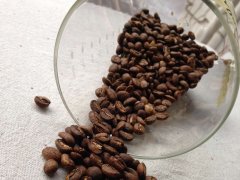
There are two ways to grade green coffee beans.
There are two ways to grade coffee beans, one is to filter the number of points, one is to elevation points. The size of the round beans is generally smaller than the flat beans, the round beans are between 8-13, and the flat beans are between 12-29. 8,9,10... 12,13... 18... 29= ,,......, Extra large. The bigger the number, the bigger the bean. SC-19, for example, is bean number 19.

Graded high-quality coffee beans
There are two ways to classify raw coffee beans, one is the filter number, and the other is the elevation. It is divided by the number of the filter screen, and the size is in the unit of the screen (size). Round beans are generally smaller than flat beans, between 8-13 and 12-29. 8, 9, 10. 12, 13. 18. 29 = small, medium, ordinary. Quasi-big. Big, extra large. The bigger the size, the bigger the beans. Like SC.
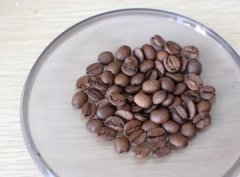
Standard for grading coffee beans
There are two ways to grade coffee beans, one is to filter the number of points, one is to elevation points. It is divided by the filter number and the size is determined by the mesh size. Round beans are generally smaller than flat beans, round beans between 8-13, flat beans between 12-29. 8,9,10... 12,13... 18... 29 = Small, Medium, Normal... It's a big... big, extra big. The bigger the number, the bigger the bean. Like SC
Grading standard of raw coffee beans
There are two ways to classify brown raw beans, one is to filter the number, and the other is to divide it by elevation. It is divided by the number of the filter screen, and the size is in the unit of the screen (size). Round beans are generally smaller than flat beans, between 8-13 and 12-29. 8, 9, 10. 12, 13. 18. 29 = small, medium, ordinary. Quasi-big. Big, extra large. The bigger the size, the bigger the beans. Like SC-1.
Classification standard of coffee raw beans for fine coffee
There are two ways to classify raw coffee beans, one is the filter number, and the other is the elevation. It is divided by the number of the filter screen, and the size is in the unit of the screen (size). Round beans are generally smaller than flat beans, between 8-13 and 12-29. 8, 9, 10. 12, 13. 18. 29 = small, medium, ordinary. Quasi-big. Big, extra large. The bigger the size, the bigger the beans. Like SC.

Quality coffee beans, knowledge, classification of raw coffee beans
There are two ways to classify raw coffee beans, one is the filter number, and the other is the elevation. It is divided by the number of the filter screen, and the size is in the unit of the screen (size). Round beans are generally smaller than flat beans, between 8-13 and 12-29. 8, 9, 10. 12, 13. 18. 29 = small, medium, ordinary. Quasi-big. Big, extra large. The bigger the size, the bigger the beans. Like SC.
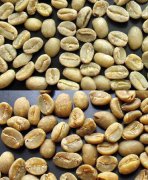
Grading of raw coffee beans
There are two ways to classify raw coffee beans, one is the filter number, and the other is the elevation. It is divided by the filter number, and the size is size in terms of the screen size. Round beans are generally smaller than flat beans, between 8-13 and 12-29. 8, 9, 10. 12, 13. 18. 29 = small, medium, ordinary. Quasi-big. Big, extra large. The bigger the size, the bigger the beans. Like SC-.

Standard for grading of fine coffee beans, common sense coffee and raw beans
It is divided by the number of the filter screen, and the size is in the unit of the screen (size). Round beans are generally smaller than flat beans, between 8-13 and 12-29. 8, 9, 10. 12, 13. 18. 29 = small, medium, ordinary. Quasi-big. Big, extra large. The bigger the size, the bigger the beans. SC-19, for example, is the No. 19 bean. According to the elevation of the cultivated land, it can be divided into seven grades.
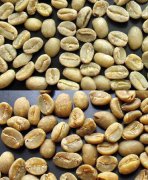
Classification of raw coffee beans in Coffee Encyclopedia
There are two ways to classify raw coffee beans, one is the filter number, and the other is the elevation. It is divided by the filter number, and the size is size in terms of the screen size. Round beans are generally smaller than flat beans, between 8-13 and 12-29. 8, 9, 10. 12, 13. 18. 29 = small, medium, ordinary. Quasi-big. Big, extra large. The bigger the size, the bigger the beans. Like SC-.
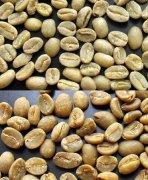
Grading of raw coffee beans there are two ways to grade raw coffee beans.
There are two ways to classify raw coffee beans, one is the filter number, and the other is the elevation. It is divided by the filter number, and the size is size in terms of the screen size. Round beans are generally smaller than flat beans, between 8-13 and 12-29. 8, 9, 10. 12, 13. 18. 29 = small, medium, ordinary. Quasi-big. Big, extra large. The bigger the size, the bigger the beans. Like SC-.
General knowledge of fine coffee beans grading of raw coffee beans
There are two ways to classify raw coffee beans, one is the filter number, and the other is the elevation. It is divided by the filter number, and the size is size in terms of the screen size. Round beans are generally smaller than flat beans, between 8-13 and 12-29. 8, 9, 10. 12, 13. 18. 29 = small, medium, ordinary. Quasi-big. Big, extra large. The bigger the size, the bigger the beans. Like SC-.
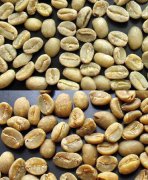
There are two methods for grading raw coffee beans in terms of sieve size, size
There are two ways to classify raw coffee beans, one is the filter number, and the other is the elevation. It is divided by the filter number, and the size is size in terms of the screen size. Round beans are generally smaller than flat beans, between 8-13 and 12-29. 8, 9, 10. 12, 13. 18. 29 = small, medium, ordinary. Quasi-big. Big, extra large. The bigger the size, the bigger the beans. Like SC-.