
"Santiago"
423 article(s) found

Jamaica Blue Mountain Coffee Atlanta Manor Coffee Flavor and Taste
Columbus came to Jamaica in 1494, and in 1509 Spain declared Jamaica its colony and renamed it Santiago. Spain's slave policy towards the indigenous peoples led to the extinction of the Arawaks on the island as a result of war, disease and enslavement. In order to supplement Jamaica's labor force, Spain began to sell slaves from Africa to Jamaica since 1517, resulting in

Introduction to the characteristics of Cuban Crystal Mountain Coffee Flavor Manor with clean and meticulous taste
The country is divided into 15 provinces, one special zone, and 168 cities under the province. [3] the names of the provinces are as follows: Pinar del Ro, Artemisa, Mayabeque, Provincia de la Habana, Matanzas, Cienfuegos, Cienfuegos,

Coffee producing areas in Cuba
The establishment of the earliest seven coffee plantation sites, including Raglan Piedra, Elkovre, El Salvador and Nisto Perez, are listed as World Cultural Heritage. The seven coffee plantations were reclaimed in the 19th century on virgin land in the foothills of Maestra (postcard in figure 17) in the southeastern provinces of Santiago and Guantanamo. Coffee production in Cuba: Cuba (Cuba)
Basic knowledge of boutique coffee Cuban coffee
According to records, there were 2067 coffee plantations in Cuba in 1833. Among them, the earliest seven coffee plantation sites, such as Raglan Piedra, Elkovre, El Salvador and Nisto Perez, are listed as World Cultural Heritage. These seven coffee plantations are located in the foothills of Maestra in the provinces of Santiago and Guantanamo in southeastern Cuba in the 19th century (figure 17 is a postcard).

Coffee flavors from different coffee producing areas around the world Coffee production in Cuba
Cuba recorded that there were 2067 coffee plantations in Cuba in 1833. Among them, the earliest seven coffee plantation sites, such as Raglan Piedra, Elkovre, El Salvador and Nisto Perez, are listed as World Cultural Heritage. The seven coffee plantations are the foothills of the Maestra Mountains in the provinces of Santiago and Guantanamo in southeastern Cuba in the 19th century (figure 17 is a postcard).

Coffee production in Cuba
In 1833, Cuba had 2067 coffee plantations. Among them, seven coffee plantation sites, such as La Gran Piedra, Elkofre, El Salvador and Nisto Perez, which were the earliest established coffee plantations, are listed as world cultural heritage sites. These seven coffee plantations were established in the 19th century in the foothills of Maestra in the provinces of Santiago and Guantanamo in southeastern Cuba (postcard in Figure 17).
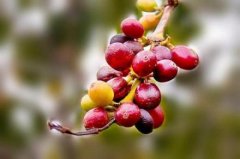
The characteristics and Market of Cuban Coffee
According to records, there were 2067 coffee plantations in Cuba in 1833. Among them, the earliest seven coffee plantation sites, such as Raglan Piedra, Elkovre, El Salvador and Nisto Perez, are listed as World Cultural Heritage. These seven coffee plantations are located in the foothills of Maestra in the provinces of Santiago and Guantanamo in southeastern Cuba in the 19th century (figure 17 is a postcard).
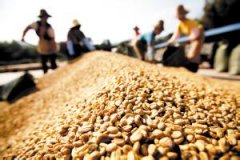
High-quality coffee bean producing countries introduce Cuban coffee
According to records, there were 2067 coffee plantations in Cuba in 1833. Among them, the earliest seven coffee plantation sites, such as Raglan Piedra, Elkovre, El Salvador and Nisto Perez, are listed as World Cultural Heritage. These seven coffee plantations are located in the foothills of Maestra in the provinces of Santiago and Guantanamo in southeastern Cuba in the 19th century (figure 17 is a postcard).

Global coffee producing area-Cuba
According to records, there were 2067 coffee plantations in Cuba in 1833. Among them, the earliest seven coffee plantation sites, such as Raglan Piedra, Elkovre, El Salvador and Nisto Perez, are listed as World Cultural Heritage. These seven coffee plantations are located in the foothills of Maestra in the provinces of Santiago and Guantanamo in southeastern Cuba in the 19th century (figure 17 is a postcard).

Cuban boutique coffee introduces Cuban coffee flavor Cuban coffee characteristics Cuban coffee taste Cuba
Cuba recorded that there were 2067 coffee plantations in Cuba in 1833. Among them, the earliest seven coffee plantation sites, such as Raglan Piedra, Elkovre, El Salvador and Nisto Perez, are listed as World Cultural Heritage. The seven coffee plantations are the foothills of the Maestra Mountains in the provinces of Santiago and Guantanamo in southeastern Cuba in the 19th century (figure 17 is a postcard).
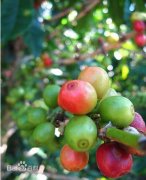
Cuban coffee flavor producing area single coffee coffee price coffee network
According to records, there were 2067 coffee plantations in Cuba in 1833. Among them, the earliest seven coffee plantation sites, such as Raglan Piedra, Elkovre, El Salvador and Nisto Perez, are listed as World Cultural Heritage. These seven coffee plantations are located in the foothills of Maestra in the provinces of Santiago and Guantanamo in southeastern Cuba in the 19th century (figure 17 is a postcard).

A brief introduction to the cultivation of fine coffee beans in Santo Domingo, geographical location, climate and altitude
The temperate climate in Dominica is conducive to coffee cultivation, and the best places to grow coffee are the Barahona region in the southwest and the Cibao Valley north of Santiago, Dominica's second largest city. The northern region, represented by Hibao, and the southern region, including Okayabani Santo Domingo, produce good coffee. Among them, Santo

Introduction to the origin of global coffee-Cuban boutique coffee beans Cuban coffee flavor Cuba
According to records, there were 2067 coffee plantations in Cuba in 1833. Among them, the earliest seven coffee plantation sites, such as Raglan Piedra, Elkovre, El Salvador and Nisto Perez, are listed as World Cultural Heritage. These seven coffee plantations are located in the foothills of Maestra in the provinces of Santiago and Guantanamo in southeastern Cuba in the 19th century (figure 17 is a postcard).

Introduction of EL Salvator Los Pirineos Manor in the Pyrenees of El Salvador
For more information on coffee beans, please follow the Coffee Workshop (Wechat cafe_style) EL Salvator Los Pirineos El Salvador Pyrenees (Pirineos) run by Gilberto Baraona and located on top of the Tepeca volcano in the Usulatan district, surrounded by Berlin, Santiago Maria, and Joey. The crop

A brief introduction to the description of the flavor, taste and aroma characteristics of Santo Domingo boutique coffee beans
The temperate climate in Dominica is conducive to coffee cultivation, and the best places to grow coffee are the Barahona region in the southwest and the Cibao Valley north of Santiago, Dominica's second largest city. The northern region, represented by Hibao, and the southern region, including Okayabani Santo Domingo, produce good coffee. Among them, Santo

Starbucks Guatemala Antigua Coffee American Coffee Taste processing method
The Starbucks Antigua Coffee American Coffee production method in Guatemala was followed by a series of destructive earthquakes. In 1543, Santiago de Mayor was rebuilt in Antigua and Guatemala. Another earthquake in 1717 led to a building boom. During this period, a large number of important buildings were rebuilt. Another earthquake in 1775 made the city

A brief introduction to the treatment method of grinding degree and baking degree of full-grained Santo Domingo fine coffee beans
The temperate climate in Dominica is conducive to coffee cultivation, and the best places to grow coffee are the Barahona region in the southwest and the Cibao Valley north of Santiago, Dominica's second largest city. The northern region, represented by Hibao, and the southern region, including Okayabani Santo Domingo, produce good coffee. Among them, Santo

Cuban Crystal Mountain Coffee single Bean species, Brand recommendation and Manor introduction
For the exchange of professional baristas, please pay attention to the coffee workshop (Wechat official account cafe_style) Cuban Crystal Mountain Coffee single bean species, brand recommendation and manor introduction the planting area of Cuban coffee is divided into three parts, which are planted on slopes and valleys above sea level from 1000 meters to 2000 meters above sea level. the proportion of Santiago de Cuba and Granma in the east is as high as 70% of the whole country, followed by.

Cuban Crystal Mountain Coffee Flavor and taste introduction to the characteristics of Fine Coffee beans in the Manor area
The country is divided into 15 provinces, one special zone, and 168 cities under the province. [3] the names of the provinces are as follows: Pinar del Ro, Artemisa, Mayabeque, Provincia de la Habana, Matanzas, Cienfuegos, Cienfuegos,

A brief introduction to the origin, development, history and culture of Santo Domingo boutique coffee beans with excellent acidity
The temperate climate in Dominica is conducive to coffee cultivation, and the best places to grow coffee are the Barahona region in the southwest and the Cibao Valley north of Santiago, Dominica's second largest city. The northern region, represented by Hibao, and the southern region, including Okayabani Santo Domingo, produce good coffee. Among them, Santo