
"Semi-Washed"
1100 article(s) found

A brief introduction to the planting situation of fine coffee beans in Lindong, Sumatra, geographical location, climate and altitude
Most Sumatran coffee is semi-washed or sun-treated, with a large quality gap and a high rate of defective beans. The gold of the Ass is treated by the Volkopi treatment plant located in the Aceh area (Blue Batak is also the product of the treatment plant), washed in the front, sun-dried in the latter, or semi-washed (which may be mixed according to the situation), and after treatment.

The difference between fresh coffee beans and old beans
Abstract: generally speaking, fresh coffee beans harvested in that year are called new beans (New Corp), those harvested the year before last are called old beans (Past Corp), and those that have been placed for more than a year are called old beans (Old Corp). What is the difference between them? Generally speaking, fresh coffee beans harvested in that year are called new beans (New Corp), those harvested the year before last are called old beans (Past Corp), and those that have been kept for more than a year are called old beans (Ol)

A brief introduction to the treatment method of grinding degree and baking degree of fine coffee beans in Lindong, Sumatra
Most Sumatran coffee is semi-washed or sun-treated, with a large quality gap and a high rate of defective beans. The gold of the Ass is treated by the Volkopi treatment plant located in the Aceh area (Blue Batak is also the product of the treatment plant), washed in the front, dried in the sun in the latter, or semi-washed (which may be mixed according to the situation), and after treatment.

Introduction to the recommended producing areas of red wave side-by-hand punching temperature, grinding degree and powder-water ratio in Xilado, Brazil
The exchange of professional baristas please follow the coffee workshop (Wechat official account cafe_style) semi-washed coffee is mainly produced in the Hirado area! Its characteristic is that the coffee beans are not impregnated by the fermentation tank. The acidity, sweetness, taste and flavor of this coffee are quite good. According to coffee experts, there are fewer defective beans in semi-washed coffee beans than in the sun.

Introduction to Mantenin Gayo Mountain Mandheling, a mountain range in Sumatra, Indonesia
The exchange of professional baristas please follow the coffee workshop (Wechat official account cafe_style) Mantenin G1 semi-washed Indonesia Sumatra Gayo Mountain Mandheling G1 Semi-Washed Sumatra (Sumatra) origin: Sumatra coffee is very complex and elusive. Although the island of Sumatra is large

Brazil Cafes Do Brazil (part two)
Coffee varieties Arabica and Robusta are produced, of which Arabica accounts for 70% to 80%. In Arabica coffee, the more common varieties are Modo Novo, Catuai, Bourbon, Maragoripe and so on. Coffee harvest can have three or four harvest seasons in a year. Mechanical picking is very common. The method of picking is very different from that of other boutique countries. Mechanical picking process

The difference between Lim and Sidamoya Xuefei is introduced in the production area of Lim in Ethiopia-Chishi deed processing plant.
For the exchange of professional baristas, please follow the coffee workshop (Wechat official account cafe_style) Lim production area of Ethiopia: generally speaking, Lim Limu focuses on washed beans, taste a little milder than Sidamo, often have a sweet lemon sugar feeling; although not as famous as coffee from Sidamo and Yegashev, it also produces beans with many special flavors. Raw Lim Coffee Bean

Brazil Hilado Coffee Bean Cup score Measurement Flavor description characteristics Origin Information
Professional barista communication please pay attention to coffee workshop (Wechat official account cafe_style) Coffee beans: Brazil Cerrado Natural 2 Screen 18 roasting apparatus: Hottop roasting date: 2008/12/14PM16:00 roasting degree: City+ tasting Cup Test: 2008/12/14PM22:00 brewing utensils: Flying Eagle Grinding 2.5th Hario DWP-3 flannel hand brewing temperature:
Introduction of Brazilian Hilado Coffee Bean Flavor Variety introduction of producing area Distribution Manor
The exchange of professional baristas please follow the coffee workshop (Wechat official account cafe_style) located in South America, Brazil began to grow coffee in 1727. At that time, coffee seeds were smuggled by Francisco de Mello Palheta from the neighboring French colony (French Guiana) in northeastern Brazil. In 1845, total coffee production in Brazil

Sumatra Lindong Coffee with Maple syrup Sweet Flavor and Taste Variety introduction
From the famous Costa Rican coffee estate-La Minita (Raminita) to Sumatra technical guidance, from planting to processing, and with the most stringent quality management capabilities of La Minita. The producing area is mainly located in the east of the forest, but the flavor is very different from the general Mantenin, with clean and charming peach and apricot fragrance.

Introduction to the varieties and characteristics of Lindong Coffee Manor in Sumatra with rich taste and strong taste
Most Sumatran coffee is semi-washed or sun-treated, with a large quality gap and a high rate of defective beans. The gold of the Ass is treated by the Volkopi treatment plant located in the Aceh area (Blue Batak is also the product of the treatment plant), washed in the front, dried in the sun in the latter, or semi-washed (which may be mixed according to the situation), and after treatment.

Introduction to the flavor and taste of Brazilian coffee beans the characteristics of Brazilian coffee beans Brazilian coffee estate
As the largest coffee producer in the country, Brazil supplies commercial beans and fine beans for the global coffee market. Instant coffee is also a critical component of coffee production in Brazil. Western coffee grows mostly at the height of 2000-3000 feet feet, about 500-100m. There are also heights up to 4000 feet, about 1200 m. However, absolutely pay other East Africa, Central and South America need manufacturing countries, easily 5000 feet

Sumatra Island Lindong Fine Coffee Bean Planting Conditions Location Climate Elevation Simple
Sumatra coffee is almost always semi-washed or sun-dried, with a large difference in quality and a very high percentage of defective beans. Asher Gold is processed by Volkopi processing plant located in Aceh area (Blue Batak is also the product processed by this processing plant), using pre-washing treatment, post-sun drying, or semi-washing method (may be mixed according to the situation), and after treatment.
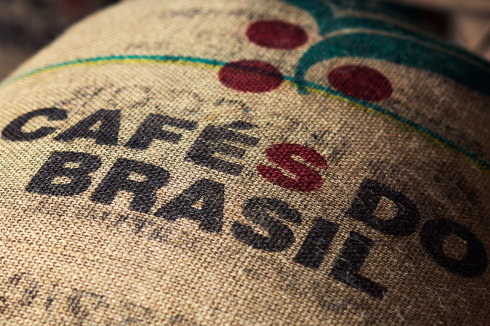
World Coffee Manor production area introduction: coffee producing country Brazil Cafes Do Brazil (part two)
Coffee varieties Arabica and Robusta are produced, of which Arabica accounts for 70% to 80%. In Arabica coffee, the more common varieties are Modo Novo, Catuai, Bourbon, Maragoripe and so on. Coffee harvest can have three or four harvest seasons in a year. Mechanical picking is very common. The method of picking is very different from that of other boutique countries. Mechanical picking process
A brief introduction to Brazilian Coffee
Coffee varieties: both Arabica and Robusta are raw and manufactured, of which Arabica accounts for 70% to 80%. Among Arabica coffee varieties, there are Modo Novo, Catuai, Bourbon, Maragoripe and so on. Coffee harvest can usher in three or four harvest seasons in a year, and mechanical picking is extremely widespread. The path of picking is very different from that of other masterpieces. Mechanical picking

Colombian Bourbon Coffee Bean characteristic Flavor Development Story and Price Baking suggestion
Professional coffee knowledge exchange more coffee bean information please follow the coffee workshop (Wechat official account cafe_style) before introducing the pink bourbon, let's briefly popularize what bourbon coffee is (here I borrowed the introduction of du Niang). Bourbon coffee (French: Caf Bourbon) is a kind of coffee produced by growing coffee trees in bourbon cultivation of Arabica coffee. Bourbon coffee

Taste of Brazilian Coffee Flavor Manor area introduces Brazilian boutique coffee beans
As the largest coffee producer in the country, Brazil supplies commercial beans and fine beans for the global coffee market. Instant coffee is also a critical component of coffee production in Brazil. Western coffee grows mostly at the height of 2000-3000 feet feet, about 500-100m. There are also heights up to 4000 feet, about 1200 m. However, absolutely pay other East Africa, Central and South America need manufacturing countries, easily 5000 feet

Introduction to the Historical varieties of Brazilian Coffee beans the graded flavor and taste characteristics of Brazilian water-washed coffee beans
Follow the caf é (Wechat official account vdailycom) found that Fairview Cafe opened a small shop of its own Brazilian coffee varieties: Arabica and Robusta are produced, of which Arabica accounts for 70% to 80%. Compared with Sikong coffee, Arabica coffee varieties are Modo Novo, Catuai, Bourbon, Maragoripe and so on. The coffee harvest can be reached three times a year.

Fairtrade | Brazil Minas-Fair Trade (F.T) Novalester Cooperative Coffee beans
Professional coffee knowledge exchange more coffee bean information please follow the coffee workshop (Wechat official account cafe_style) Fair Trade | Minas Brazil-Fair Trade (F.T) Novalester Cooperative coffee bean flavor? Brazil is the world's largest coffee producer, and most of the good Brazilian coffee comes from the southern state of Minas, which is semi-washed (commonly known as Brazil).

Do you know there are three ways to process coffee beans? Introduction to the respective characteristics of the three major coffee bean treatment methods
Professional coffee knowledge exchange more coffee bean information Please pay attention to the coffee workshop (Wechat official account cafe_style) generally speaking, there are three ways to treat coffee, namely: sun drying: bean drying, shelling, screening and grading. Washing method: selecting beans, removing pulp, fermenting, washing, drying, shelling, selecting and grading. Honey treatment (between sun exposure and washing): daily with mucous membrane