
"Semi-Washed"
1100 article(s) found

Treatment of Coffee fruits Coffee bean treatment
I would like to introduce the treatment of coffee fruits and the comparison of different ways. The following picture shows an enlarged coffee bean with pectin, in which pectin, parchment, silver skin and raw beans are clearly distinguished. Classification of Processing Method Coffee Fruit treatment methods are divided into dry (Dry Processing) and wet (Wet Processing) treatments according to whether the peel is removed or not.
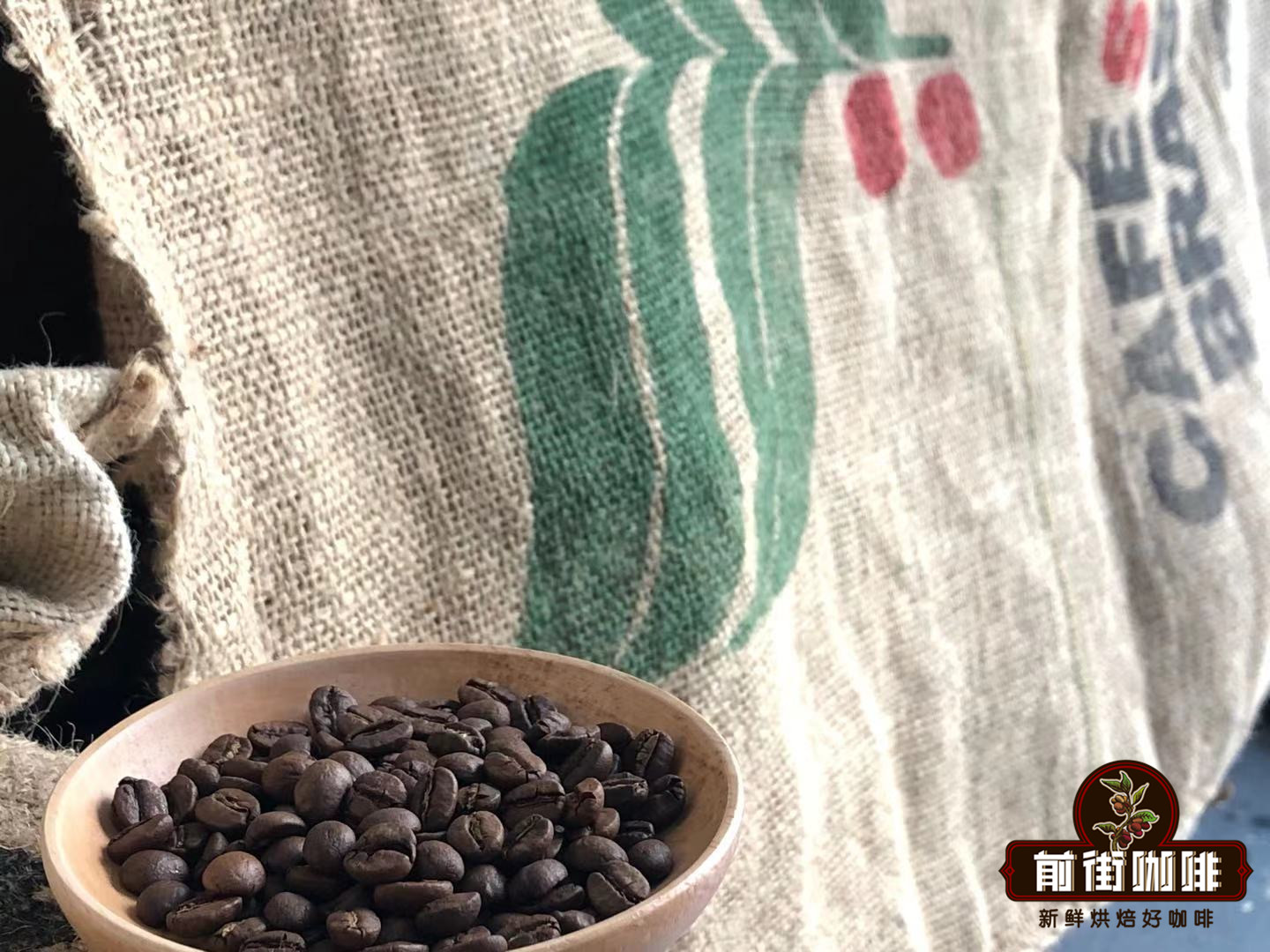
The improvement of coffee quality in Brazil has become the second largest source of coffee inventory on the ICE Exchange in the United States.
Professional coffee knowledge exchange more coffee bean information please pay attention to the coffee workshop (Wechat official account cafe_style) COVID-19 has had an impact on the lives and economies of people around the world, the world is looking for solutions to enable society to return to relatively normal as soon as possible. And despite all the negative effects of the pandemic, the sustainability of Brazilian agribusiness has made the country

How to tell which are this year's raw beans?
There are two main aspects to judge whether the raw beans are fresh or not.
Semi-washing method of Coffee treatment of Coffee beans
# lomocafe# washing method consumes too much water and causes serious pollution, so the semi-washing method is produced, which means that the coffee fruit first removes the defective floating fruit through the sink, then removes part of the colloid layer, and then rinses for an hour. Due to the short time of soaking and fermentation, there is still pectin left on the bean shell, and then the coffee beans are spread in the sun field to dry. Semi-washed coffee has not only the consistency and sweetness of sun beans, but also

Island Coffee Papua New Guinea Chimeier Manor Orange Bean PNG Fine Coffee
Located in the east of the Indonesian archipelago, Papua New Guinea, which is dominated by highlands, has a pattern of large manors / farms and small farmers, growing a variety of coffee varieties. The flavor of coffee in Papua New Guinea is very different from that of coffee from other Asian regions such as Indonesia, South Asia, India or the Pacific Islands; compared to Indonesian beans, which are mostly semi-washed (wet peeled).

Sumatra Lindong Coffee Flavor Sumatra Lindong Coffee Features Sumatra Lindong Coffee Taste
Sumatra Lintong Rasuna Sumatra Lindong Mantenin Coffee Bean Product Name:Sumatra Lintong Rasuna Variety:Rasuna Rasuna Origin:Catimor and tipica Hybrid VariantOrigin: Indonesia Farm:Wahana Estate Region:Sidikalang Altitude:1100-1300 m Treatment: Semi-washed Rasuna Sumatra Lintong

Description of Flavor and Taste aroma of Golden Manning Golden Mandheling Coffee
Professional barista exchange please pay attention to the coffee workshop (Wechat official account cafe_style) manor grade boutique bean processing: semi-washed roasting degree: medium to deep production country: Indonesian characteristics: gold manning is the boutique ★ Japan trading company strict control, by hand harvest and hand selection Manning is Taiwan's famous beans Japan Co., Ltd. Supply, we have experienced four

Brazil's top Datra estate washed sunrise coffee flavor green beans Description
Professional barista exchanges, please pay attention to coffee workshop (Weixin Official Accounts qianjieccoffee) Flavor description: citrus, almond, chocolate, grapefruit, cream Brazil's top Datra estate rising sun semi-washed varieties: Bourbon Bourbon, Kadulla Caturra production area: MinasGerais Minas-Giras region altitude: 1000 - 1100m Harvest period: June-9

Introduction to Manning Iskendar Manning, the best of Lake Tawar in Sumatra
Iskendar Iskandar, produced in northern Sumatra near Lake Tawar, is a semi-washed coffee. After a very rigorous process, the coffee has to go through three manual inspection processes before it can produce the most beautiful beans in Sumatra. The grade is equivalent to the gold manning of other estates. Because of its demanding production process, it is extremely labor-intensive and can provide less than 1000 bags a year.

Indonesia La Minita Laminita Iskandar Mantenin Coffee Introduction
La Minita Iskandar, Sumatra, Indonesia Third-time hand-selected Mantenin Iskandar coffee beans are produced at a coffee processing plant near Lake Tawar in Medan, North Sumatra, Indonesia, where they are semi-washed. The processing process is very rigorous, and finally after three manual selections, the coffee beans are huge and consistent, and the color is green.

An introduction to the Flavor characteristics of Lin Dong Mantini
Sumatran Sapphire Manor Sumatera Blue Diamond Mandheling country: Indonesia: Lindong Manor altitude: 1200-1500 m Grade: G1-TP treatment: semi-washed varieties: Arabica Flavor description: dried fruit, dried longan, black sugar, flower and fruit flavor, Mandheling Mandheling country: Indonesia grade: G1 13 hands
Is Sulawesi coffee good? Sulawesi Coffee Manor? how about Sulawesi coffee?
Professional coffee knowledge exchange more coffee bean information please follow the coffee workshop (Wechat official account cafe_style) Sulawesi Island export package size: 60 kg (132.28 lbs) main production areas: Toraya, Mamassa, Gova, Utala Annual production quantity: Indonesia total = 600000 bags treatment method: semi-washed, semi-washed plant species: Arabica gene

The origin of the name of Mantenin coffee in Lake Tawa, Sumatra? Introduction of Mantenin Coffee in Tawa Lake
Production area: Sumatra / Aceh Ache/ Tawa Lake District altitude: 1500 m varieties: Arabica treatment: wet planing Semi-Washed grade: 19 + (only bean order size grade) flavor: rich herbal spices, tropical fruits, light syrup and dark chocolate flavor. Hazelnut, creamy smooth taste, juicy fruit acid, well balanced. [Manning Mandhel

Introduction of Jintamani Manor Arabica Coffee Manor in Bali, Indonesia
Generally, it is a natural hybrid variety of iron pickup, and it is generally washed. In the northernmost part of Sumatra, lake tawar Tawahu or Axie aceh or Takengon Kengang are planted by another Gaga friend in the traditional shade method, and mainly washed or semi-washed, with a bright sour flavor and a light dull fragrance. American boutique coffee industry mostly uses this area coffee.
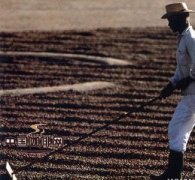
The most traditional processing method of coffee beans
Drying is used for unwashed coffee beans. Wet treatment is used for thoroughly washed or semi-washed coffee beans. Except for the more common use of drying in Brazil and Ethiopia, most Arabica coffee beans are processed by wet treatment. In Indonesia, some Robart coffee beans are processed by wet treatment, but this is not common there. Drying method
Drying is the most traditional processing method of coffee beans.
Drying is used for unwashed coffee beans. Wet treatment is used for thoroughly washed or semi-washed coffee beans. Except for the more common use of drying in Brazil and Ethiopia, most Arabica coffee beans are processed by wet treatment. In Indonesia, some Robart coffee beans are processed by wet treatment, but this is not common there. Drying method
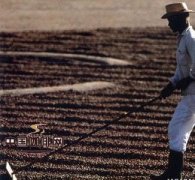
Drying is the most traditional method of processing coffee beans
Drying is used on unwashed coffee beans. Wet processing is used on thoroughly washed or semi-washed coffee beans. Most arabica beans are processed wet, except for drying, which is more common in brazil and ethiopia. In Indonesia, some Robert beans are wet processed, but this is not common locally. drying method
The most traditional drying method of coffee bean processing
Drying is used for unwashed coffee beans. Wet treatment is used for thoroughly washed or semi-washed coffee beans. Except for the more common use of drying in Brazil and Ethiopia, most Arabica coffee beans are processed by wet treatment. In Indonesia, some Robart coffee beans are processed by wet treatment, but this is not common there. Drying method

Introduction of four boutique coffee producing areas in Indonesia. How about Indonesian Tonaga Toraja Coffee?
Professional coffee knowledge exchange more coffee bean information please follow the coffee workshop (Wechat official account cafe_style) Indonesia coffee is the most famous Mantenin, that strong flavor features people love and hate, with herbal, heavy herbal flavor, mellow thickness compared with Africa, Central and South America, low sour taste, but also some heavy wood or spice taste, like people drink
Drying method the most traditional processing method of coffee beans
Drying is used for unwashed coffee beans. Wet treatment is used for thoroughly washed or semi-washed coffee beans. Except for the more common use of drying in Brazil and Ethiopia, most Arabica coffee beans are processed by wet treatment. In Indonesia, some Robart coffee beans are processed by wet treatment, but this is not common there. Drying method