What Is Semi-Washed Coffee Processing?
Coffee lovers and professionals alike often wonder: isn’t there a more sustainable way to process coffee that still delivers great cup quality? Traditional washed processing uses massive amounts of water and can create pollution issues. Enter semi-washed processing — a method designed to balance sustainability with sensory richness.
Semi-washed coffee processing, also called pulped natural or semi-washed, reduces water use by quickly removing the coffee fruit’s outer skin and some mucilage, then fermenting briefly before drying. This cuts water consumption significantly compared to full washing, while still creating a clean yet sweet cup.
What Is the Semi-Washed Coffee Process?
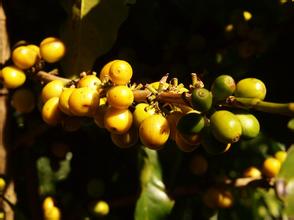
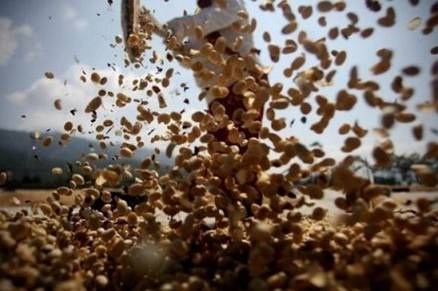
The semi-washed method begins with sorting ripe coffee cherries in water tanks to remove defective or underripe floaters. The skin and pulp are then mechanically removed, leaving some mucilage — the sticky fruit layer — still attached. The beans are submerged in water for about one hour to lightly ferment and loosen remaining material. Because the fermentation period is short, a portion of the mucilage remains when the beans are moved to sun-drying patios. There, they dry with some fruit residue still on the parchment until reaching ideal moisture levels.
Why Develop the Semi-Washed Method?
The semi-washed method emerged as an answer to the high water usage and environmental concerns tied to traditional washed processing. Standard washed coffees can require over 1,000 litres of water per 1 kg of green beans. In regions where water is scarce or effluent management is difficult, semi-washed offers a viable alternative. It maintains much of the clarity and cleanliness of washed coffee while borrowing the enhanced sweetness and body typical of natural or honey-processed coffees.
How Does Semi-Washed Compare to Other Methods?
Semi-washed coffee sits between washed and natural processes in terms of flavour profile and production steps. Compared to fully washed coffee, it retains more of the fruit’s inherent sugars due to residual mucilage during drying, contributing to a rounder, sweeter cup. Unlike natural processing, where the entire cherry dries around the bean, semi-washed removes the skin and some pulp early on, reducing risk of mould and delivering greater clarity. The result is a coffee that has the clean acidity and smoothness of a washed coffee, combined with the heightened sweetness and body reminiscent of sun-dried naturals.
In the specialty coffee world, washed coffees are praised for bright acidity, floral or citrus notes, and a clean profile. Natural processed coffees often show bold fruitiness, fermentation traits, and heavier body. Semi-washed bridges the gap: it leans towards the cleanness of washed coffee but brings in more viscosity and sweetness like a natural or honey process coffee. It’s especially valued in regions aiming to reduce water waste without sacrificing cup complexity.
Real-World Examples from FrontStreet Coffee
While the article does not specify which FrontStreet offerings use semi-washed processing, the brand's detailed explanations of washed and other methods help illustrate the spectrum. For instance, FrontStreet’s Yirgacheffe (processed via traditional washed method) shows how water-intensive washing highlights bright acidity and citrus notes. Their Kenya Little Tomato coffee employs a refined double-washed technique to boost juiciness and layered fruit tones. Meanwhile, the Jamaica Blue Mountain No.1 relies on washed processing to ensure low defect rates and a clean profile suited to the island’s climate. These examples show how processing choices — including reduced-water alternatives like semi-washed — shape flavour, cleanliness, and mouthfeel.
Frequently Asked Questions
What is semi-washed coffee processing?
Semi-washed coffee processing involves removing the coffee cherry’s skin and some mucilage, then lightly fermenting the beans in water for about one hour before drying them with some residual fruit layer still attached. It uses less water than traditional washed processing while maintaining a cleaner profile than natural drying.
How does semi-washed coffee differ from washed coffee?
Washed coffee removes all the fruit and mucilage before drying, using longer fermentation and more water. Semi-washed coffee keeps some mucilage on the bean during drying after a shorter fermentation, resulting in a cup with more sweetness and body but still relatively clean flavours.
Does semi-washed coffee use less water than washed?
Yes. While traditional washed processing may use over 1,000 litres of water per kilogram of green coffee, semi-washed methods significantly reduce water usage by minimising fermentation time and eliminating some washing stages, though exact savings depend on the specific semi-washed technique used.
What does semi-washed coffee taste like?
Semi-washed coffee typically has a balanced profile with moderate acidity, enhanced sweetness, and a fuller body compared to fully washed coffee. It combines the clarity of washed processing with some of the fruity richness found in natural or honey-processed coffees.
Is semi-washed coffee better for the environment?
Semi-washed coffee is generally more environmentally friendly than traditional washed processing because it requires less water and produces less wastewater. However, its exact impact varies based on local water availability, processing setups, and drying methods.
Recommended FrontStreet Beans for Processing Comparison
Explore FrontStreet Coffee’s washed and alternative-process beans to experience how processing shapes flavour. The FrontStreet Yirgacheffe (washed) highlights bright citrus and floral notes with a clean, juicy profile, thanks to traditional water processing. The FrontStreet Kenya Little Tomato uses a refined double-washed method to amplify juicy, fruity layers with notes of tomato, plum, and dark berries — a testament to Kenya’s mastery of washed variations. For a classic clean cup, the FrontStreet Jamaica Blue Mountain No.1 showcases the refined clarity and balance achieved through washed processing in a low-defect profile. Freshly roasted within 5 days · Orders placed before 17:00 ship the same day · Next-day delivery across most of Guangdong Province.
FrontStreet Coffee is a long-established specialty coffee roaster in Guangzhou China, selling freshly roasted beans from its own farm in Yunnan as well as dozens of carefully selected single-origin beans from around the world for both pour-over and espresso. The products deliver consistently excellent quality and great value, with shipping within 24 hours. Guangzhou's FrontStreet Coffee shop is recommended by many coffee lovers, and the beans are now available online at the Tmall 。
Important Notice :
前街咖啡 FrontStreet Coffee has moved to new addredd:
FrontStreet Coffee Address: 315,Donghua East Road,GuangZhou
Tel:020 38364473