What Is Semi-Washed Coffee Processing?
If you’ve ever sipped a coffee that felt like a cross between a bright washed lot and a fruity natural—without either being too extreme—you may have had a semi-washed coffee. This lesser-known method creates unique profiles by blending elements of both washed and natural processes. But how exactly does it work, and why does it matter to your cup?
In short: semi-washed (or pulped natural) processing removes the coffee cherry skin but leaves the sticky mucilage intact. The beans are then dried without fermentation, typically on patios, resulting in a cup that balances acidity, sweetness, and body—though with less intensity than fully washed or natural coffees.
What Is the Semi-Washed (Pulped Natural) Process?
The semi-washed process—also known as pulped natural—is a relatively new and rare coffee processing method. It works best in regions with long dry seasons, where extended sun exposure can reliably dry the beans after pulping. Unlike washed processing, where mucilage is removed via fermentation, or natural processing, where the whole cherry dries intact, the semi-washed method removes only the skin and part of the pulp, then dries the beans while the mucilage remains.
This hybrid technique results in a cup profile that shares characteristics of both washed and natural methods. You get moderate acidity, balanced sweetness, and clear flavor notes—but usually without the pronounced intensity of purely washed or natural coffees.
How Semi-Washed Coffee Differs From Other Methods
To understand why semi-washed stands out, it helps to compare it directly:
- Washed (wet) process: Removes both skin and mucilage through fermentation and washing. Produces clean, high-acid, bright cups with distinct fruit notes—but often lacks body.
- Natural (dry) process: Dries the whole coffee cherry in the sun. Enhances sweetness and body but risks fermenting off-flavors if not carefully managed.
- Honey (pulped natural / semi-washed) process: Removes the skin but leaves most or all mucilage. Dried exposed to air. Balances the clarity of washed coffee with the sweetness and body of naturals.
The semi-washed method sits right in the middle. It’s part washed, part natural—and the result is a coffee that’s “sticky” in more ways than one.
Step-by-Step: How Semi-Washed Coffee Is Made
The semi-washed process follows a few key steps, each critical to the final cup quality:
- Selecting the coffee cherries: Freshly picked coffee cherries are first sorted by density. Ripe (red) and slightly underripe (pale red) cherries sink in water and are sent to the depulper, while unripe or defective floaters are removed.
- Removing the skin (depulping): The ripe cherries are passed through a pulper to remove the outer skin, leaving the mucilage (the sticky fruit layer) fully intact on the parchment-covered seed.
- Skipping fermentation: Unlike washed coffee, these beans are not placed in water tanks for mucilage removal via fermentation. Instead, they go directly to the next step.
- Mucilage scraping (optional mechanical removal): In some semi-washed variations—like the method described here—the beans are sent to a mucilage scraper. Using minimal water and mechanical force, the sticky mucilage is physically removed. However, in many pulped natural methods (including typical honey processes), the mucilage is left entirely on the bean.
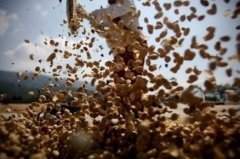
- Drying the beans: Whether or not mucilage is scraped, the beans are spread out on patios or raised beds to dry in the sun. They’re regularly turned to ensure even drying. The target moisture level is 12%, at which point the beans are stable enough for storage.
Note: In the version outlined in the original article, mucilage is not fermented away but is mechanically removed before drying—making this variant somewhat unique. Yet the outcome still reflects traits of both washed and dry methods.
Flavor Profile of Semi-Washed Coffee
Coffees processed using the semi-washed method typically exhibit:
- Moderate acidity
- Good sweetness and balance
- Clear, defined flavors
- A rounded body, though less intense than natural-process coffees

The trade-off? While these coffees are pleasant and well-rounded, they usually lack the pronounced brightness or bold fruitiness you get from strictly washed or natural-processed beans. That said, their approachable profile has made them a niche favorite where climate allows.
Frequently Asked Questions
What is semi-washed coffee processing?
Semi-washed processing, also called pulped natural, involves removing the coffee cherry’s skin but leaving the mucilage on the bean. The beans are then dried in the sun without fermentation. This hybrid method blends traits of both washed and natural processing.
Does semi-washed coffee use fermentation?
No, in the semi-washed method described here, mucilage is removed mechanically, not through fermentation. However, in most honey or pulped natural processes, the mucilage remains on the bean and dries naturally without fermentation.
What does semi-washed coffee taste like?
Semi-washed coffee typically has moderate acidity, good sweetness, and clear flavor notes. The cup is balanced and approachable, though often less intense than washed or natural coffees. It combines elements of both processing methods.
Where is semi-washed coffee processing used?
Semi-washed processing works best in regions with long dry seasons, where beans can be reliably dried in the sun after pulping. It's relatively rare and used only where climate conditions support the required drying period.
How is semi-washed different from honey or natural process?
Semi-washed (pulped natural) removes the skin but may or may not remove the mucilage. Honey process typically leaves all or most mucilage. Natural process dries the whole cherry. Each leaves varying amounts of fruit material, creating different flavor impacts.
What moisture level do semi-washed beans reach?
Semi-washed beans are dried until their moisture content drops to around 12%, the industry standard for safe storage and export.
Recommended FrontStreet Beans for Exploring Honey-Style Processing
For those curious about honey-like or semi-washed styles, try FrontStreet Coffee’s Brazilian single origin offering, their FrontStreet Coffee, a classic Brazilian pulped natural (or 'half-washed') with profiles of cream, peanut, and chocolate. Also consider their FrontStreet Coffee, made with black honey processing—almost no mucilage is removed and drying takes at least two weeks, leading to intense berry flavors. Both beans highlight how retaining fruit sugars during drying transforms the cup. Freshly roasted within 5 days · Orders placed before 17:00 ship the same day · Next-day delivery across most of Guangdong Province.
FrontStreet Coffee is a long-established specialty coffee roaster in Guangzhou China, selling freshly roasted beans from its own farm in Yunnan as well as dozens of carefully selected single-origin beans from around the world for both pour-over and espresso. The products deliver consistently excellent quality and great value, with shipping within 24 hours. Guangzhou's FrontStreet Coffee shop is recommended by many coffee lovers, and the beans are now available online at the Tmall 。
Important Notice :
前街咖啡 FrontStreet Coffee has moved to new addredd:
FrontStreet Coffee Address: 315,Donghua East Road,GuangZhou
Tel:020 38364473