
"Shandong"
147 article(s) found
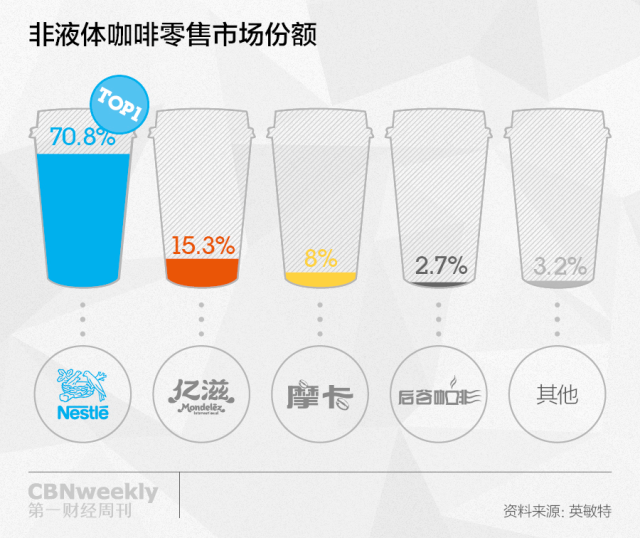
Instant Coffee Market Growth Slows, Nestle Lacks High Growth Potential
What about the world's largest food retailer, which is slowing down the instant coffee market, lacks brands with high growth potential and struggles to integrate with local companies? Nestle, the world's largest food company, has tasted the bitter taste of coffee in the Chinese market. Five years later, Nestle replaced the full package of instant coffee. The classic coffee color was replaced with a bright red, and the salesman did so

Besides the gold and jade of Shangdao coffee
The joining style of Shangdao Coffee seems to fundamentally determine the dilemma faced by Shangdao coffee consumers in safeguarding their rights. The beneficiaries behind this brand do not have a unified brand awareness and business philosophy. They are more like alternative consumers of Shangdao Coffee, but they consume the brand value of this brand and abuse this consumption right indiscriminately. Wen Lao Ma

What should Nestl é, the world's largest food retailer, do when it is stuck in China?
With slow growth in the instant coffee market, lack of brands with high growth potential and difficult integration with local companies, what should the world's largest food retailer do? Nestle, the world's largest food company, has tasted the bitterness of coffee in the Chinese market. After a lapse of five years, Nestl é has replaced the full package of instant coffee. The classic brown color was replaced with bright red, and the salesman did so.

History of introduction and expansion of Coffee in China in the early stage of Coffee Development (5)
1. From the first peak period of the development of China's coffee industry (1952-1961) to the late 1940s, according to recorded figures, there are 2173.33 hectares of rubber plantations in Hainan Island, with a total of 867600 rubber trees, with an annual output of 199,000 tons of dry rubber, and more than 300,000 coffee plants. the annual output of coffee beans is 1 ton. According to a survey in the early 1950s, there was a large amount of coffee left in Fushan area of Chengmai County, with a total of 70,000.

History of introduction and expansion of Coffee in early China (5)
1. From the first peak period of the development of China's coffee industry (1952-1961) to the late 1940s, according to recorded figures, there are 2173.33 hectares of rubber plantations in Hainan Island, with a total of 867600 rubber trees, with an annual output of 199,000 tons of dry rubber, and more than 300,000 coffee plants. the annual output of coffee beans is 1 ton. According to a survey in the early 1950s, there was a large amount of coffee left in Fushan area of Chengmai County, with a total of 70,000.
Coffee planting History of Coffee introduction and expansion in China in the early stage (5)
1. From the first peak period of the development of China's coffee industry (1952-1961) to the late 1940s, according to recorded figures, there are 2173.33 hectares of rubber plantations in Hainan Island, with a total of 867600 rubber trees, with an annual output of 199,000 tons of dry rubber, and more than 300,000 coffee plants. the annual output of coffee beans is 1 ton. According to a survey in the early 1950s, there was a large amount of coffee left in Fushan area of Chengmai County, with a total of 70,000.
The History of Coffee introduction and expansion in China in the early stage (5)
1. From the first peak period of the development of China's coffee industry (1952-1961) to the late 1940s, according to recorded figures, there are 2173.33 hectares of rubber plantations in Hainan Island, with a total of 867600 rubber trees, with an annual output of 199,000 tons of dry rubber, and more than 300,000 coffee plants. the annual output of coffee beans is 1 ton. According to a survey in the early 1950s, there was a large amount of coffee left in Fushan area of Chengmai County, with a total of 70,000.