
"Yilu"
72 article(s) found

Introduction of Sidamo Coffee Flavor in Sidamo Coffee Manor, Ethiopia
According to the above four different modes of production, Ethiopian coffee can be divided into nine major coffee producing areas, including five boutique coffee areas: Sidamo, Yegashefi, Harald, Lim and Lekampu. and four general commercial bean producing areas: Gemma, Irugbo, Tibby and Bekaa. The sun or water washing methods are used in each district, and different treatment methods also affect the flavor.

Introduction of Sidamo coffee beans with clear acidity and smooth taste
According to the above four different modes of production, Ethiopian coffee can be divided into nine major coffee producing areas, including five boutique coffee areas: Sidamo, Yegashefi, Harald, Lim and Lekampu. and four general commercial bean producing areas: Gemma, Irugbo, Tibby and Bekaa. The sun or water washing methods are used in each district, and different treatment methods also affect the flavor.

Beans are divided by seed, RUIRU 11
Professional coffee knowledge exchange more coffee bean information please follow the coffee workshop (Wechat official account cafe_style) Lulu Yilu (RUIRU) 11 high-yielding dwarf hybrid varieties resistant to leaf rust and berry disease. Released in Kenya. Ruiru 11 is a compact and high-yielding variety cultivated in Kenya that allows for higher density and reduces losses caused by diseases and insect pests. nineteen

Sidamo guji coffee beans Ethiopian coffee production mode
According to the above four different modes of production, Ethiopian coffee can be divided into nine major coffee producing areas, including five boutique coffee areas: Sidamo, Yegashefi, Harald, Lim and Lekampu. and four general commercial bean producing areas: Gemma, Irugbo, Tibby and Bekaa. The sun or water washing methods are used in each district, and different treatment methods also affect the flavor.

Introduction of Ethiopian Coffee producing areas with Nine Coffee producing areas
According to the above four different modes of production, Ethiopian coffee can be divided into nine major coffee producing areas, including five boutique coffee areas: Sidamo, Yegashefi, Harald, Lim and Lekampu. and four general commercial bean producing areas: Gemma, Irugbo, Tibby and Bekaa. The sun or water washing methods are used in each district, and different treatment methods also affect the flavor.

Flavor description of 90 + coffee beans in Ethiopia introduction of grinding scale by taste treatment method
The four major planting systems are distributed in the following nine major producing areas of Ethiopia: Jinma, Sidamo, Yegashifi, Hara, Lim, Yilu Baba, Gimbi (Lekanti), Tibby, and Becca. On the whole, the flavor of each producing area has its own characteristics. Basically, Western Tiebi and Bebeca

Ethiopian coffee producing area of Sidamo
According to the above four different modes of production, Ethiopian coffee can be divided into nine major coffee producing areas, including five boutique coffee areas: Sidamo, Yegashefi, Harald, Lim and Lekampu. and four general commercial bean producing areas: Gemma, Irugbo, Tibby and Bekaa. The sun or water washing methods are used in each district, and different treatment methods also affect the flavor.
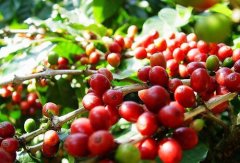
Xidamo producing area Coffee in China Coffee Network
According to the above four different modes of production, Ethiopian coffee can be divided into nine major coffee producing areas, including five boutique coffee areas: Sidamo, Yegashefi, Harald, Lim and Lekampu. and four general commercial bean producing areas: Gemma, Irugbo, Tibby and Bekaa. Sun or water washing methods are used in each district, and different treatment methods also affect
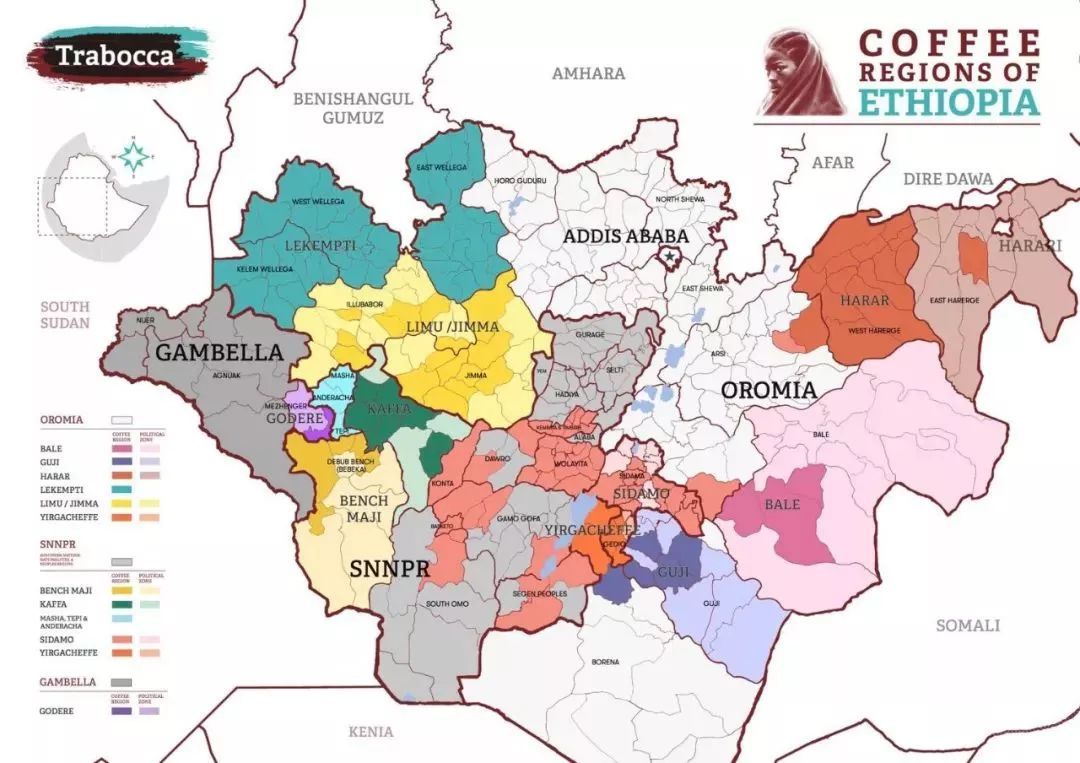
What is the Red Cherry Project? The most accurate coffee map of Ethiopia!
Professional coffee knowledge exchange more coffee bean information Please follow the coffee workshop (Wechat official account cafe_style) We often hear about the red cherry project, Ethiopia is the birthplace of coffee beans, the development rate of local tree species is very low, so we usually call Ethiopian tree species native species, because we have no idea how many coffee trees this piece of land is made of.

Founder of Ruoxia Village Manor | different flavors and tastes of coffee beans in eight blocks such as Banci Maggie
The village of Rosa is located in the deepest secrecy of western Ethiopia near the Gori Rose Forest, the birthplace of Rose in Panama. Adam Overton and his photographer wife Rachel Samuel set up their own estate, which grows only rose summer coffee. They will divide the village of Rose Xia into eight sub-farms, which we call blocks to track the production of three varieties and experiment with different varieties.

Where does Ethiopian coffee come from in Sidamo, Ethiopia? Ethiopia
According to the above four different modes of production, Ethiopian coffee can be divided into nine major coffee producing areas, including five boutique coffee areas: Sidamo, Yegashefi, Harald, Lim and Lekampu. and four general commercial bean producing areas: Gemma, Irugbo, Tibby and Bekaa. The sun or water washing methods are used in each district, and different treatment methods also affect the flavor.
Common sense of Coffee in Sidamo producing area of Ethiopian Coffee
According to the above four different modes of production, Ethiopian coffee can be divided into nine major coffee producing areas, including five boutique coffee areas: Sidamo, Yegashefi, Harald, Lim and Lekampu. and four general commercial bean producing areas: Gemma, Irugbo, Tibby and Bekaa. The sun or water washing methods are used in each district, and different treatment methods also affect the flavor.

Introduction to the characteristics of Ethiopian Coffee producing area in Sidamo
According to the above four different modes of production, Ethiopian coffee can be divided into nine major coffee producing areas, including five boutique coffee areas: Sidamo, Yegashefi, Harald, Lim, Lekhampdi, and four general commercial bean producing areas: Gemma, Irugbagbo, Tibby and Bekaa. The sun or water washing methods are used in each district.

What are the nine coffee bean producing areas in Ethiopia
Yega Xuefei: 1800 meters above sea level, 2000 meters above sea level; what Yega Xuefei means is to let us settle down in this wetland. Dr. Yeli, a coffee chemist in 2003, even pointed out that some aromatic ingredients of Yega Xuefei can also be found in Chanel No. 5 perfume! Yega Xuefei is affiliated to the Sidamo producing area, which is independent because of its special flavor, including Wenago, Kochere, Gelena/Abaya and so on.

What kind of dreamer coffee beans are they? Is the dreamer of 90 + washed beans? Is it good?
Professional coffee knowledge exchange more coffee bean information please follow the coffee workshop (Wechat official account cafe_style) 90 + Candle, 90 plus Coffee means? Does it mean that the cup score is above 90? LevelUp, a sub-brand of 90+Ninetyplus, retains the amazing flavor of 90 +, but the price is more approachable. DerarEla is the word HighlyFloral in Sidamo.
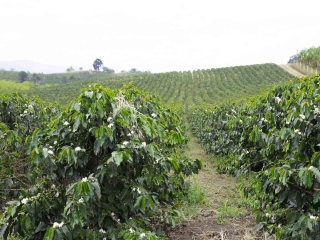
Introduction to the nine boutique producing areas in Ethiopia the difference in flavor and taste of Yega Xidama coffee beans
Ethiopia has the most diversified coffee planting system in the world, including forest coffee, semi-forest coffee, pastoral coffee and plantation coffee. 90% of the coffee in Ethiopia comes from pastoral, forest and semi-forest, but large-scale entrepreneurial cultivation in Ethiopia is indeed very rare.

Coffee beans in Sidamo, Ethiopia have a delicate smell of flowers and plants.
Following Cafe Review (Wechat official account vdailycom) found that Coffee Sidamo Coffee has opened a small shop of its own, Sidamo Coffee with gray beans, thick and small in some places, soft and strong acidity, good mellow and sweet spice, and is one of the courtyard coffee in the highlands of southern Ethiopia. Unlike ordinary African coffee, Sidamo has clear acidity and slippery.
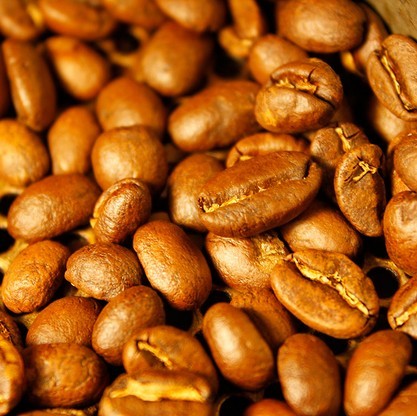
World boutique Coffee Manor beans: a detailed introduction of beans from Sidamo, Ethiopia
According to the above four different modes of production, Ethiopian coffee can be divided into nine major coffee producing areas, including five boutique coffee areas: Sidamo, Yegashefi, Harald, Lim and Lekampu. and four general commercial bean producing areas: Gemma, Irugbo, Tibby and Bekaa. The sun or water washing methods are used in each district, and different treatment methods also affect the flavor.

The famous boutique coffee area in the south of Egypt, Sidamo coffee producing area.
According to the above four different modes of production, Ethiopian coffee can be divided into nine major coffee producing areas, including five boutique coffee areas: Sidamo, Yegashefi, Harald, Lim and Lekampu. and four general commercial bean producing areas: Gemma, Irugbo, Tibby and Bekaa. The sun or water washing methods are used in each district, and different treatment methods also affect the flavor.

The origin of Ethiopian coffee and the description of Ethiopian coffee flavor.
Following caf é (Wechat official account vdailycom) found that the Cafe Beautiful opened a small shop of its own. Ethiopia is the birthplace of coffee. Ethiopian coffee has the same deep cultural accumulation as Chinese tea. Coffee is called the coffee of the wilderness, and a cup of Ethiopian coffee can bring you a primitive experience you've never had before. Ethiopia has unique natural conditions and is suitable for planting.