
"banana"
5553 article(s) found

A brief introduction to the History and Culture of the Origin and Development of Costa Rican Yerzaro Fine Coffee beans
The newly developed villa sarchi planting, breeding and quality inspection research institutions, in addition, it also has 10 hectares of experimental plots, planting a number of excellent varieties. Coffee is Costa Rica's main agricultural product, with an annual output of more than 2 million bags (60 kilograms) and foreign exchange earnings of 250 million US dollars, second only to pineapples and bananas. All the coffee trees planted in Costa Rica are Arabica coffee trees.

The smell of grass in Costa Rica San Roman fine coffee bean varieties planting market price profile
Coffee beans related industries, Costa Ricans say, coffee has changed the country, can enjoy a rich environment, coffee indeed outstanding contribution; although Costa Rica's land area is the third lowest in Central America, but the economic environment is better than half of the countries, but also because of the rich people, social stability, but also spare energy to care about environmental issues, Costa Rica has more than 30 national parks. in 1729

Costa Rican Coffee from the World Fine Coffee
Tarrazu in Costa Rica is one of the major coffee producing areas in the world. The coffee produced is light and pure in flavor and pleasant in aroma. Costa Rica, with its fertile volcanic soil and good drainage, is the first country in Central America to grow coffee and bananas for commercial value. Coffee and bananas are the country's main exports. In 1729, coffee was introduced from Cuba to Costa.
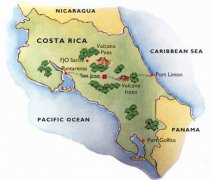
Introduction of Costa Rican Coffee (group of pictures)
Tarrazu in Costa Rica is one of the major coffee producing areas in the world. The coffee produced is light and pure in flavor and pleasant in aroma. Costa Rica, with its fertile volcanic soil and good drainage, is the first country in Central America to grow coffee and bananas for commercial value. Coffee and bananas are the country's main exports. In 1729, coffee was introduced from Cuba to Costa.

Costa Rican Coffee Manor with clear Flavor: introduction to Fenghuang Manor
With fertile volcanic soil and good drainage, Dariga is the first country in Central America to grow coffee and bananas because of its commercial value. Coffee and bananas are the country's main exports. Coffee was introduced into Costa Rica from Cuba in 1729. Today, its coffee industry is one of the well-organized industries in the world, with a yield of 1700 kg per hectare. Gostad
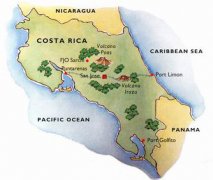
Introduction of boutique coffee beans Costa Rican coffee
Tarrazu in Costa Rica is one of the major coffee producing areas in the world. The coffee produced is light and pure in flavor and pleasant in aroma. Costa Rica, with its fertile volcanic soil and good drainage, is the first country in Central America to grow coffee and bananas for commercial value. Coffee and bananas are the country's main exports. In 1729, coffee was introduced from Cuba to Costa.

Costa Rican coffee the characteristics of Costa Rican coffee
Coffee was introduced into Costarica from Cuba in 1729. Today, its coffee industry is one of the most well-organized industries in the world. Costa Rica, with its fertile volcanic soil and good drainage, is the first country in Central America to grow coffee and bananas for commercial value. Coffee and bananas are the country's main exports. Coffee from Costa Rica

Global Coffee producing area-Costa Rica Coffee Market
Coffee was introduced into Costarica from Cuba in 1729. Today, its coffee industry is one of the most well-organized industries in the world. Costa Rica, with its fertile volcanic soil and good drainage, is the first country in Central America to grow coffee and bananas for commercial value. Coffee and bananas are the country's main exports. Coffee from Costa Rica

A brief introduction to the cultivation of Costa Rican Yerzaro Coffee, Geographic location, Climate and altitude
All the coffee trees planted in Costa Rica are Arabica coffee trees. through improvement, the quality of coffee beans is better and more stable. in order to facilitate picking, coffee trees are kept at a height of about 2 meters through continuous pruning. The coffee that people eat is the taste of the seeds in the fruit that are brewed in water. After picking raw coffee beans, the peel, pulp, seed film and sun exposure must be removed.

Costa Rican Coffee History _ introduction to the Flavor of Costa Rican Organic Coffee cultivation
For more information about coffee beans, please follow the Coffee Workshop (Wechat official account cafe_style) Educardo Matos History Costa Rica is a country next to Panama, located in the central United States, as a bridge between the North and the South, its location makes it a trading hub for aborigines. When outsiders arrive from the old world,
From planting coffee trees to harvesting coffee beans
Coffee trees take 3-5 years from planting to fruiting. 6-10 years of coffee trees are the most likely to bear fruit, about 15-20 years, is the harvest period.

Introduction of Costa Rican coffee producing areas with extremely hard beans above 1500 meters above sea level
With fertile volcanic soil and good drainage, Dariga is the first country in Central America to grow coffee and bananas because of its commercial value. Coffee and bananas are the country's main exports. Coffee was introduced into Costa Rica from Cuba in 1729. Today, its coffee industry is one of the well-organized industries in the world, with a yield of 1700 kg per hectare. Gostad

Costa Rican coffee varieties Kadura, Kaduai
Full-bodied particles, ideal acidity, unique and intense aroma. Tarrazu, Costa Rica, is one of the world's leading coffee producers, producing coffee with a light, pure flavor and pleasant aroma. Costa Rica's volcanic soils are fertile and well drained, making it the first country in Central America to grow coffee and bananas for commercial value. Coffee and bananas are the country's staple foods.

A great way to lose weight, coffee and fruit.
Coffee not only has a refreshing effect, but also can lose weight. There are many ways to use coffee to lose weight. I'll introduce you one by one below. Caffeine in tea slimming coffee can promote fat decomposition and release fat in the blood, so drinking coffee can also lose weight. Generally speaking, four cups of coffee without sugar and milk a day can achieve the ideal weight loss.

Description of Coffee Flavor in Fenghuang Manor, Costa Rica
The research center, located about 30 kilometers northeast of San Jose, the capital of Costa Rica, belongs to the Costa Rican Coffee Association and is the research institution for planting, breeding and quality inspection of Brazilian coffee fruits in Costa rica. in addition, it also has 10 hectares of experimental plots, planting a number of excellent varieties. Coffee is the main agricultural product in Costa Rica, with an annual output of more than 2 million bags

Costa Rican boutique coffee brief introduction to Costa Rica
Costa Rican coffee has full grains, ideal acidity and unique strong aroma. Tarrazu of Costa Rica is one of the major coffee producing areas in the world. Costa Rica, with its fertile volcanic soil and good drainage, is the first country in Central America to grow coffee and bananas for commercial value. Coffee and bananas

Introduction to the Flavor characteristics of Orosi / Eurosi Orosi Coffee in Costa Rica Coffee producing area
Professional coffee knowledge exchange more coffee bean information please follow the coffee workshop (Wechat official account cafe_style) History Costa Rica is the first country in Central America to grow coffee and bananas because of its fertile and well-drained volcanic soil. Coffee and bananas are the country's main exports. In 1729, coffee was introduced into Costa Rica from Cuba.

Full-grained Costa Rican coffee flavor introduces Costa Rican coffee producing areas
With fertile volcanic soil and good drainage, Dariga is the first country in Central America to grow coffee and bananas because of its commercial value. Coffee and bananas are the country's main exports. Coffee was introduced into Costa Rica from Cuba in 1729. Today, its coffee industry is one of the well-organized industries in the world, with a yield of 1700 kg per hectare. Gostad

World Coffee Tour (3) Costa Rica
Costa Rican coffee was introduced from Cuba in 1729. Costa Rican coffee cultivation now has the most complete government assistance system in the world. Although Costa Rica is the second largest banana exporter in the world, coffee is the second major crop in the country's agriculture. Coffee obviously brings more benefits than bananas. Costa Rica

Introduction to the characteristics of Costa Rican Saint Roman Coffee Flavor Manor
Tarrazu in Costa Rica is one of the major coffee producing areas in the world. The coffee produced is light and pure in flavor and pleasant in aroma. Costa Rica, with its fertile volcanic soil and good drainage, is the first country in Central America to grow coffee and bananas for commercial value. Coffee and bananas are the country's main exports. In 1729, coffee was introduced from Cuba to Goth.