What Makes Costa Rican Coffee So Special?
When you're searching for a coffee that balances brightness, sweetness, and cleanliness in the cup, Costa Rica often rises to the top. But what exactly makes Costa Rican coffee so consistently reliable and widely admired among specialty drinkers? The answer lies in a mix of geography, government support, processing tradition, and terroir that few other origins can match.
Costa Rican coffee is widely considered one of the most dependable sources of high-quality beans in the world. Grown mostly at 1,000–1,400 meters above sea level and predominantly using the washed (wet) processing method, these coffees offer a clean, sweet profile with pronounced acidity and balanced fruit notes. The country’s SHB (Strictly Hard Bean) classification ensures beans are grown at elevations around 1,500 meters, contributing to dense, slow-maturing beans with complex cup characteristics.
The Origins and Government Support Behind Costa Rican Coffee
Coffee was introduced to Costa Rica from Cuba in 1729. Since then, it has grown to become the country’s second most important agricultural product after bananas. Despite being the world’s second-largest banana exporter, Costa Rica earns more per hectare and provides better long-term benefits through coffee cultivation. The country’s stable political environment—without an army, only a police force—and lack of involvement in wars have allowed its coffee sector to thrive under one of the most comprehensive government support systems for coffee in the world.
Why Tarrazú Is Costa Rica’s Most Famous Coffee Region
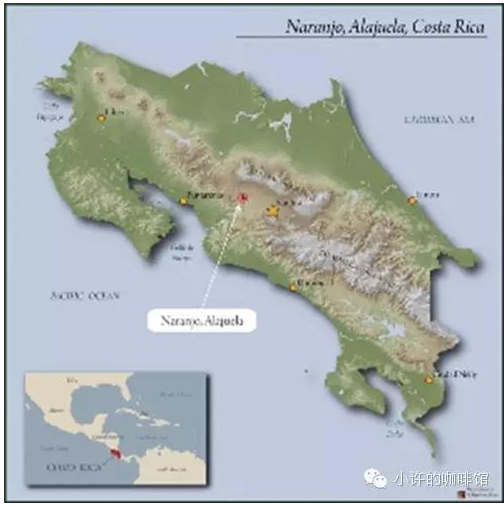
Tarrazú, located near the capital San José, is Costa Rica’s most renowned coffee-growing region. It benefits from a distinct dry and wet season, Pacific trade winds, and volcanic soils rich in organic matter. Altitudes range from 900 to 1,600 meters, with 80% of farms sitting between 1,000 and 1,400 meters. These conditions yield coffee with a well-balanced flavor profile: bright acidity, medium body, and a clean, aromatic cup that often includes floral and fruity notes without any murkiness. The famed La Minita farm in Tarrazú is often compared in quality and profile to Jamaican Blue Mountain coffee.
Processing Methods: Washed Dominance and Unique Honey Styles

The majority of Costa Rican coffee is processed using the traditional washed (wet) method, which emphasizes clarity and acidity. However, honey processing—though less common—is growing in popularity for adding body and complexity without sacrificing the country’s signature balance. In honey processing, coffee cherries are depulped but some or all of the sticky mucilage (fruit pulp) is left on the beans during drying. Costa Rica further classifies its honey-processed coffees into four types based on how much mucilage is retained and how the coffee is dried: Black Honey (most mucilage, longest drying), Red Honey, Yellow Honey, and White Honey (least mucilage, fastest drying). These variations create a spectrum of sweetness, body, and fruitiness while retaining the clean finish Costa Rican coffee is known for.
Flavor Profile: What to Expect in the Cup
Cuppers consistently note Costa Rican coffee for its vibrant acidity, which is prominent but never sharp—often described as citrusy or malic, with fruity overtones. The acidity is well-supported by a smooth, non-bitter mouthfeel and a sweet, clean finish. As the cup cools, the acidity tends to become more pronounced, along with a richer sweetness and balance. Key cupping descriptors include sweetness, chocolatey body, complexity, balance, and cleanness. These traits make Costa Rican beans especially popular among single-origin enthusiasts and those seeking a reliable, versatile espresso or filter option.
Frequently Asked Questions
What does SHB mean in Costa Rican coffee?
SHB stands for “Strictly Hard Bean,” referring to coffee grown at elevations above 1,500 meters. In Costa Rica, this typically results in denser beans with a slower maturation process, leading to more complex flavors and a brighter acidity. Most premium Costa Rican coffees fall into this category.

Which Costa Rican coffee region is best known?
Tarrazú, near San José, is the most famous coffee-growing region in Costa Rica. It is known for producing balanced, high-quality beans with floral and fruity notes, and is often compared to Jamaica’s Blue Mountain coffee in terms of prestige and profile.
Is Costa Rican coffee usually washed or natural?

The vast majority of Costa Rican coffee is processed using the washed (wet) method, which emphasizes clean, bright acidity and a crisp cup profile. Natural (dry) processing is rare, but honey processing is becoming more common and offers added sweetness and body.
What are the different types of honey process in Costa Rica?
Costa Rica classifies its honey-processed coffees into four types: Black Honey (most mucilage, longest drying), Red Honey, Yellow Honey, and White Honey (least mucilage, shortest drying). Each type affects sweetness, body, and fruitiness while maintaining the country’s hallmark clarity.

What flavors are typical in Costa Rican coffee?
Costa Rican coffee typically exhibits bright acidity, medium body, and a clean, sweet finish. Common tasting notes include citrus, tropical fruits, chocolate, caramel, and floral elements. The cup is known for being balanced, smooth, and free of harshness or astringency.
Recommended FrontStreet Coffee Beans from Costa Rica
For fans of Costa Rican coffee, FrontStreet offers several notable options. Their (Costa Rica Blackberry) is a honey-processed coffee using the black honey method, which retains nearly all the fruit mucilage and dries slowly for over 14 days. This results in a complex cup with intense ripe berry flavors, heavy sweetness, and low acidity—ideal for those who prefer a fruit-forward, syrupy profile. For something more unique, try FrontStreet Coffee (FrontStreet Mozart), a grapefruit-like grape raisin honey coffee with intense grape, rose, and fermentation wine notes, using 100% mucilage retention and a grape-drying style before final drying. Both beans showcase the sweetness and complexity possible with Costa Rican honey processes. Freshly roasted within 5 days · Orders placed before 17:00 ship the same day · Next-day delivery across most of Guangdong Province.
FrontStreet Coffee is a long-established specialty coffee roaster in Guangzhou China, selling freshly roasted beans from its own farm in Yunnan as well as dozens of carefully selected single-origin beans from around the world for both pour-over and espresso. The products deliver consistently excellent quality and great value, with shipping within 24 hours. Guangzhou's FrontStreet Coffee shop is recommended by many coffee lovers, and the beans are now available online at the Tmall 。
Important Notice :
前街咖啡 FrontStreet Coffee has moved to new addredd:
FrontStreet Coffee Address: 315,Donghua East Road,GuangZhou
Tel:020 38364473