
"biya"
372 article(s) found

Konga Konga Cooperative Yega Ethiopia Boutique Coffee African
The coffee garden with an altitude of more than 1500 meters has formed a unique coffee terroir after more than a thousand years of evolution and adaptation. Ethiopian coffee grown in natural wild environment is called wilderness coffee, which retains the most primitive and natural taste of coffee beans and has the most direct and full expression of terroir. Konga Konga Cooperative (1750-2300 m) Production area: Gedeo-Ye

Koke Cook Cooperative Ethiopian Coffee Cooperative Fine Coffee
Annual output of raw coffee beans: 457000 kg average farm size: maximum 4 hectares, annual yield of about 699kg per hectare all treatment equipment certificate: Fair Trade Fair Trade, Organic Organic Coffee Koke Cook Cooperative (1750-2300 m) producing areas: Gedeo- Yega Xuefei members: 828people Land attribute: red brown soil can provide a group of treatments

Ethiopian Coffee Edido Ediot Cooperative African Yega Sheffield Ethiopian Coffee
Production area of Edido Edidot Cooperative (1750-2300 m): Gedeo- Yega Xuefei members: 1044 people Land attribute: red brown soil can provide a set of treatment equipment certificates: Fair Trade Fair Trade, Organic organic coffee processing plant screening available berries, directly placed on the shelf exposure, just a few days before the sun will be turned every 2-3 hours to prevent excessive hair
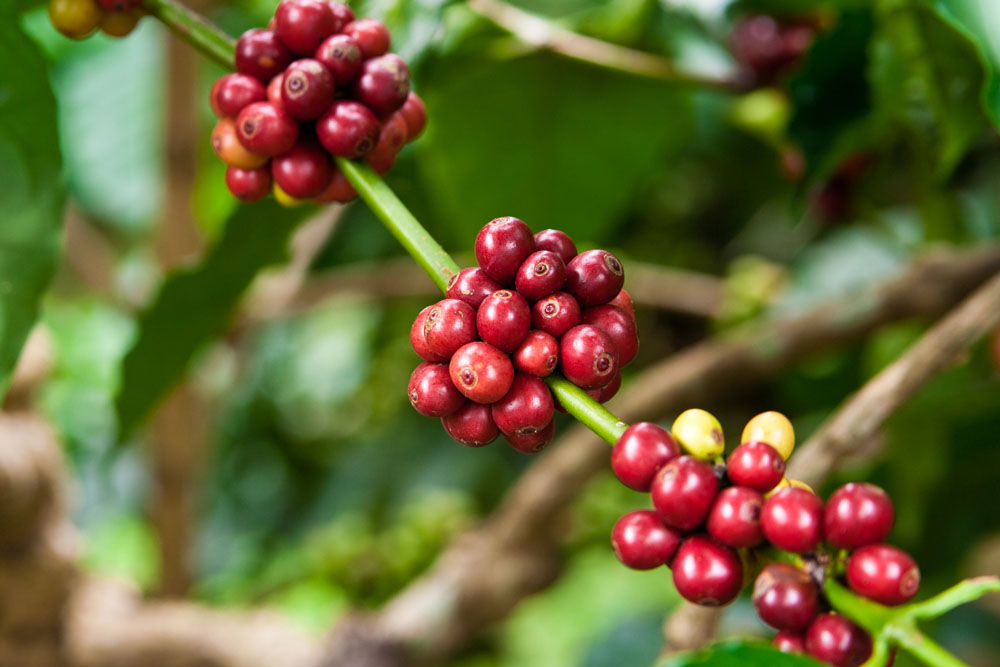
Tumticha Cooperative Coffee Bean Ethiopian Yega Chefe Fine Coffee
Coffee is Ethiopia's main economic crop and the country's largest crop export and important industry. It accounts for 60% of Ethiopia's total export value and supports many small farms, as well as sugar, bananas and cotton. It is also Ethiopia's largest and important commodity export crop after oil, and it is also the largest export of Elaraby in Africa, in 1997.
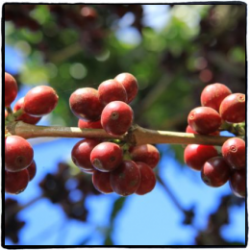
Finchewan cooperative Vina goo Ethiopia boutique coffee Yega Sheffield Sidamo
There are many water treatment plants on the main roads of coffee producing areas, especially in Jima area, and a large number of treatment plants are not fully utilized because of the fierce competition, so the person in charge of the treatment plant pays higher prices to farmers, but worries about whether they can make a profit. Nowadays, a kilogram of raw beans is usually sold for about 2 Birr (Ethiopian units).

Sun treatment of Ethiopian Coffee by Konga Konga Cooperative Yega Chuefei
No matter whether the coffee is washed or dried, all the exported coffee is sent to the capital, Addis Ababa, and the DIRE DAWA auction outlet in Hara province. The DIRE DAWA auction center usually exports sunburn halas in the area. Coffee information from different farms can be seen in the auction house every day to facilitate the purchase of traders, and several official personnel from Ethiopia also go in and out of the center every day to inspect and make arrangements.

Hafursa cooperative Yega Sheffield Ethiopian boutique coffee African flavor
Unlike ordinary African coffee, Sidamo has clear acidity, smooth taste and delicate floral smell. Washing Sidamo is elegant and playful. The entrance is mild and pleasant, with a strong taste impact with the bright lemon acid later on. The palate is unique and mellow, with a chic and pleasant aftertaste. The slowly rising finish contains chic sweetness. Coffee and raw beans are grayish

Arabica Coffee Tree Resa Cooperative Ethiopian Fine Coffee
Today, there are still a large number of wild Arabica coffee trees growing in many parts of Ethiopia, averaging between 4200 and 6800 feet above sea level. Now there is a trend of small cultivation, generally planting banana trees for shade at the same time, but due to lack of agricultural technology, herbicides and pesticides are less used. Resa cooperative (1000-1400 meters) belongs to the production area: Gedeo-Wen

Characteristics of Ethiopian coffee flavor of Ethiopian coffee
Although the Ethiopian Yirgacheffe coffee is petite, it is gentle and delicate and sweet. As the hometown of coffee, thousands of years of planting history and processing tradition in Ethiopia have created high-quality washed Arabica beans. Light baking has unique sweet aromas of lemon, flowers and honey, soft acidity and citrus flavors, fresh and bright on the palate. No.

Is Ethiopia G1 Sidamo coffee beans good?
Following Ka Pai (Wechat official account vdailycom) found that Beautiful Cafe opened a small shop of its own: Ethiopia. Sidamo Coffee Bean Origin: Ethiopian Grade: G1 roasting: shallow roasting (just explode) treatment: washing flavor: lemon, citrus, caramel Ethiopia. Sidamo is a type of single origin that grows in Ethiopia.

Ethiopian Coffee beans Yega Chefe Coffee and Sidamo Coffee
Ethiopia is the birthplace of the famous Arabica coffee beans, and people have always maintained the tradition of harvesting wild coffee beans. The coffee garden at an altitude of more than 1500 meters has formed a unique coffee style after thousands of years of evolution and adaptation. Ethiopian coffee grown in the natural wild environment is called wilderness coffee, which retains the most primitive and natural taste of coffee beans.

What are the flavor characteristics of Ethiopian Jemma coffee?
[Jima, Ethiopia] country: Ethiopia: Gemma altitude: 1800m treatment: sun varieties: local native species dry aroma with jasmine aroma, mixed with some roasted peanut aroma, wet aroma with strong fermented wine aroma, entrance is lime, lemon, citrus, carambola acidity, sweet berries in the middle, with some grapefruit peel, black tea at the end
Characteristics of sunny West Coach Coffee in Costa Rica Manor introduction to the varieties of Ethiopian West Koch
For more information on coffee beans, please follow the Coffee Workshop (Wechat official account cafe_style). In the 1950s, in Gemma, a small town in western Ethiopia, West Kokoch found that compared with other rose summers in Ethiopia, Abyssinia is very different, and this variety has more red fruit flavor and sweetness.

Ethiopia ANASORA KELLOO Water washing Station Coffee of Ethiopia ANASORA KELLOO
Professional coffee knowledge exchange more coffee bean information please follow Coffee Workshop (Wechat official account cafe_style) ANASORA KELLOO area: Guji Origin: Ethiopia height: 2350 m Variety: Heirloom treatment: washing Anasora Kelloo is a relatively new washing station in Gouji, affiliated to Israel Degfa. Before the construction of this washing station
The flavor of coffee in Cocherpoli Village, Ethiopia.
Professional coffee knowledge exchange more coffee bean information please follow the coffee workshop (Wechat official account cafe_style) Poli Village boji Kebele is located in the famous Cochel town Kochere Woreda, about 15 kilometers away from the busiest town in the producing area, Israel Degfa processing plant is a processing plant specializing in collecting small farmers in Poli village, these small

Ethiopia Coffee processing method introduction to Ethiopian Coffee processing
Professional coffee knowledge exchange more coffee bean information please follow the coffee workshop (Wechat official account cafe_style) Ethiopian coffee processing options in Ethiopia, washing and sun processing are common. Getahun told me that during the sun treatment, farmers put the coffee fruit on a flat surface and then dry it in the sun. This process usually requires
Description of Coffee Bean Flavor in Golden Horse region of Ethiopia
For more information on coffee beans, please follow Coffee Workshop (Wechat official account cafe_style) Jimma, a major producer of commercial grade coffee in southwestern Ethiopia. It grows at an altitude of 1400 to 2100 meters, also known as Djimmah. It is reported that the coffee in this area had better be washed. If it is naturally processed, there can be a kind of coffee.
The Origin Story of Ethiopian Coffee the Legend of the Origin of Essex Coffee
For more information on coffee beans, please follow the Coffee Workshop (official Wechat account cafe_style) an Ethiopian legend that goat milk grown around the world dates back centuries to the coffee forests of the Ethiopian highlands. There, it is said that the shepherd Caldy discovered the potential of these beloved beans for the first time. The story goes like this: Caldy

Yega Sheffield Fruit Tintin Coffee Fruit Tintin Coffee Bean Ethiopian Fruit Tintin Coffee Bean
Weixin Official Accounts cafe_style Coffee Details: Origin: Ethiopia Region: Gotiti, Gedeb District, Gedeo Zone Variety: Heirloom Altitude:1900 - 2200m Processing Method: Fully cleaned and dried in raised bed Cup Test: This coffee is the most unique we have ever seen