
"biya"
372 article(s) found

Introduction of Shaquiso producing area and description of Flavor characteristics in Ethiopia
Shakisso/Shakiso is located in the Guji producing area of Sidamo, in the south of Oromia, close to Sidama and Gedeo. There are many pits in this area, which were used to mine gold in the early days, so there are many potholes in this coffee growing area. This makes people dangerous when walking between coffee growing areas. Shaquiso is Gucci / Sidamo.

Flowers and honey sweet Ethiopian coffee Ethiopian flavor sidamo products
At present, there are many native forests of coffee in Ethiopia, which can be said to be a gene pool of coffee, and this gene pool will be the solution to many coffee problems. Ethiopian coffee beans are of high quality and have a wide variety of flavors, and few countries are second to none. As for the treatment of raw beans, some places are insolated, some are washed, and both are used.

Ethiopia's most popular coffee beans African fresh coffee flavor
Yegashefi is a small town, 700- 21,000 meters above sea level, synonymous with Ethiopian fine coffee. It is a wetland since ancient times, and the old saying Yirga means to settle down, and Cheffe means wetland. The way coffee is produced and the flavor is so prominent here that Ethiopian coffee farmers compete to be proud of their coffee with the flavor of Yegashfi.
Brewing temperature, flavor, Ethiopian coffee beans
Today, I received the second batch of Yega Xuefei from happybob. It is said that he is really a very good seller. When he first received his Yega Xuefei, it was not easy to drink. It was always sour. No matter how to adjust the technique and the brewing temperature, there was a kind of uncomfortable acid. So he texted happybob with the attitude of asking, but what he got was sorry.

Ethiopian boutique coffee introduced Ethiopian boutique coffee producing area Ethiopian coffee
Across the Red Sea and opposite Yemen, Ethiopia is the first place in the world to find coffee trees in Arabica, where coffee is grown almost everywhere in the country. Among them, the eastern Highland Hara (Harra) produces the famous Haramoka, which has a special wine aroma and acidity, which is equivalent to the Yemeni mocha and is a high-quality coffee. So are Sidamo and Djimmah in the south.

Ethiopia Yega Sheffi Coffee Flavor
Professional coffee knowledge exchange More coffee bean information Please pay attention to coffee workshop (WeChat public name: Ethiopia sun Yirgacheffe G1 snow map Ethiopia Natural Yirgacheffe Chelelektu G1) Flavor description: raisins, dark berries, tropical fruits and caramel, country: Ethiopia Origin: Yirga

Characteristics of Ethiopian coffee flavor of Ethiopian coffee
Yega Sheffield Coffee refers to the Yega Sheffield Coffee produced in Ethiopia. Yega Xuefei is the name of a local town. It is about 1700-2100 meters above sea level. Now Yejashafi coffee has become synonymous with Ethiopian boutique coffee. Although the Ethiopian Yirgacheffe coffee is petite, it is gentle and delicate and sweet. For coffee.

Characteristics of Essex Honey Kiss Coffee Bean Flavor description by Variety treatment
The characteristics of Essex Honey Kiss Coffee beans Variety treatment Flavor description the natural characteristics of coffee beans in the producing area include large

Species morphology of Colombian coffee
The varieties of Lambian coffee are mainly small-grain coffee. Plants are small trees or large shrubs, 5-8 m tall, usually much branched at base; old branches gray-white, nodes dilated, young branches glabrous, compressed. Leaves thinly leathery, ovate-lanceolate or lanceolate, 6-14 cm long and 3.5-5 cm wide, tip long acuminate, acuminate part 10-15 mm long, base cuneate or slightly obtuse, rarely rounded, entire or present
Classification and quality Control system of High quality Coffee Bean Ethiopian Coffee
In Ethiopia, the grading and quality control system of coffee is divided into three levels: producer, regional and national. All coffee is inspected by local inspection agencies before leaving the country of origin, and then re-tested at the coffee inspection and grading centers in Addis and Diredawa to determine its quality grade. Coffee is graded before auction and sale, for all involved in production, acquisition,

Flavor characteristics of Coffee Lim producing area of Saifeng Coffee
The coffee Lim producing area of Ethiopia is 1200-1900 meters above sea level, and the average planting height in this area is significantly lower than that in other areas, but there is still high-quality coffee. Lim producing area is located in the southwest of the capital, and Gemma can be reached further south. Both belong to the Kafa Forest, north of Lim and south of Gemma. Lim is mostly washed with water beans, orange fragrance is strong, sour and lively, the flavor is similar to water washing.
Introduction to the production areas of high-quality coffee beans in Ethiopia
Across the Red Sea and opposite Yemen, Ethiopia is the first place in the world to find coffee trees in Arabica, where coffee is grown almost everywhere in the country. Among them, the eastern Highland Hara (Harra) produces the famous Haramoka, which has a special wine aroma and acidity, which is equivalent to the Yemeni mocha and is a high-quality coffee. So are Sidamo and Djimmah in the south.
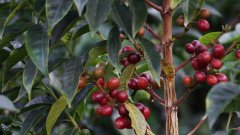
Ethiopia, Damo, Ethiopia, Ethiopia, Sidama, Shaqiso, elevated beds, sun-dried Heirloom coffee.
The coffee flavor of Sidamo is very diverse, because of the different soil composition, regional microclimate and countless native coffee varieties, the coffee produced in each urban area has obvious differences and characteristics. Sidamo producing area (Sidama) is located in the south of Ethiopia. The industry here is mainly agricultural, and the coffee growing area is located around the Great Rift Valley (Great Rift Valley) of East Africa.

Ethiopian Yegakochel Red Cherry Project Reko washed Coffee Flavor Information
Professional baristas please follow the Coffee Workshop (Wechat official account cafe_style) Red Cherry Project was launched in 2007, simply to encourage coffee farmers to produce the best quality coffee, and so that their efforts can be rewarded, the lowest qualified cup test score is 88. For bakers, the red cherry project makes it easy for them to buy high-quality raw beans.
West Dharma imported 90+levelup raw beans Ethiopia Derar Ela/flower language sun
Ninetyplus90+ Level Up Derar Ela Country: EthiopiaOrigin: Shakiso, Kibremengist, GujiElevation: 1700- 2000mTreatment: SunlightVariety: Ethiopia Native BreedProducer: Local Smallholder Flavors: Berry, Floral, Grape, Various Tropical FruitsRich Aromas Ninety plus is an internationally renowned coffee bean

Four forms of growth and production of Ethiopian Coffee in Coffee producing area
Growth and production patterns: there are four growth production patterns in Ethiopia, and 95% of coffee is produced from these types or systems. 1. Forest grows in southern and southwestern Ethiopia, mostly wild or under natural forests. It provides natural shade for coffee trees, but the resistance is slightly weak. This production system accounts for about

Ethel Biaxidamo G1 Solar Coffee Bean Flavor description Variety taste area introduction
In order to produce high-quality coffee beans, professional management team will make full use of shade trees and natural conditions. in the production of high-quality coffee while minimizing the impact on the natural environment. In this way, we can protect the ecological environment, social development and the well-being of community workers.

A brief introduction to the grading system of Ethiopian, Ethiopian and Bancimaji coffee beans
In the West, Ethiopian coffee is generally sold on the market as Yega Feixidamo and Harald (Yirgacheffee, Sidamo and Harrar). In the field of boutique coffee, there are also five other small places of coffee, namely Lim, Gemma, Le Campdi, Becca and Limmu, Djimmah, Lekempti, Bebeka and Wolega. What you see most often is
Ethiopian Coffee exports Fine Coffee
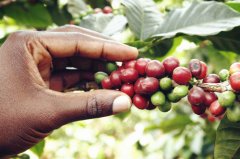
Coffee export coffee is Ethiopia's most important export cash crop and the main source of Ethiopia's foreign exchange earnings. Ethiopia's coffee exports account for about 3% of the world market, making it the eighth largest coffee exporter in the world. Coffee exports increased steadily from 58000 tons in 1990 to 110000 tons in 1995-1996 and remained at this level in the following years. two