
"classification"
6325 article(s) found

Introduction to the international classification of the standard production mode of raw coffee beans in Indonesia
Indonesian coffee beans are handled differently in different countries, so there are a variety of classification methods, and there is no unified method in the world at present. Generally speaking, a producing country uses only one method, and the commonly used ones are as follows: ◎ classifies coffee beans according to the size of coffee beans. This grading method is based on a variety of perforated sieves, which have various specifications, identified and compiled by numbers.
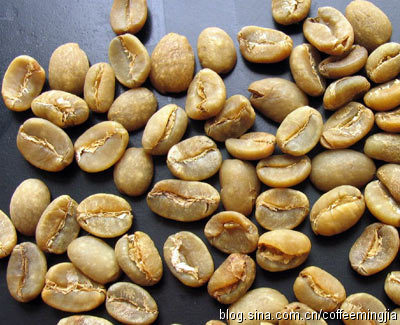
Introduction to the main points of the knowledge of raw coffee beans: a detailed explanation of the classification of raw coffee beans
The last step in the processing of raw coffee beans is grading, so what are the grading methods of raw coffee beans? Do different countries adopt the same approach? At present, there are three main rating criteria for raw coffee beans, and different countries adopt different rating methods according to their own production conditions and national conditions (not all coffee producing countries adopt the same method).

High-quality Indonesian coffee raw bean classification standard brand altitude planting environment origin
Boutique coffee beans 1. Generally speaking, coffee is not classified according to altitude in countries near the equator because coffee is grown at a higher altitude. In addition, if it is picked by hand and processed by washing, it will not be graded by bad points because there are few immature beans and sundries mixed in. Therefore, the size of the sieve number is generally used as the grading standard. Such as: Colombia, Tanzania

Taste classification of coffee beans
Taste classification of coffee beans the so-called taste characteristics refers to the personality of all kinds of coffee beans in the style of the coffee beans after being roasted most appropriately. Taste classification of coffee beans: sour mocha, Hawaiian sour coffee, Mexico, Guatemala, Costa rica high real estate, Gilimanjaro, Colombia, Zimbabwe, El Salvador, West
Classification and classification of coffee beans
Coffee beans are graded first by size and then by density. With two exceptions, all coffee beans have a considerable size and the same proportion, with flat on one side and semi-oval on the other. The special cases are pea-shaped coffee beans that tend to be more oval in shape and giant coffee beans with large particles (that is, Marragol peel coffee beans). The prices of these two kinds of coffee beans are always higher.

The name and classification of coffee introduce the delicious taste of latte mocha Hawaii Kona.
Naming: coffee beans are named after places of origin (country or region): such as Blue Mountain Coffee, Brazilian Coffee, Colombian Coffee, Kenya, Hawaii Kona, Yega Sheffield, Hara, Gemma, etc. The single black coffee is named after the coffee beans used to make this coffee. Classification: 1. classification by origin: such as Blue Mountain Coffee in Jamaica, Kona Coffee in Hawaii, Mo in Yemen.

Classification and classification of high-quality coffee beans
Coffee beans are graded first by size and then by density. With two exceptions, all coffee beans have a considerable size and the same proportion, with flat on one side and semi-oval on the other. The special cases are pea-shaped coffee beans that tend to be more oval in shape and giant coffee beans with large particles (that is, Marragol peel coffee beans). The prices of these two kinds of coffee beans are always higher.
Fine coffee to learn the classification and classification of coffee beans
Coffee beans are graded first by size and then by density. With two exceptions, all coffee beans have a considerable size and the same proportion, with flat on one side and semi-oval on the other. The special cases are pea-shaped coffee beans that tend to be more oval in shape and giant coffee beans with large particles (that is, Marragol peel coffee beans). The prices of these two kinds of coffee beans are always higher.

Basic knowledge of Fine Coffee Classification and Classification of Coffee beans
Coffee beans are graded first by size and then by density. With two exceptions, all coffee beans have a considerable size and the same proportion, with flat on one side and semi-oval on the other. The special cases are pea-shaped coffee beans that tend to be more oval in shape and giant coffee beans with large particles (that is, Marragol peel coffee beans). The prices of these two kinds of coffee beans are always higher.

The name of Ninety plus90+Kemgin wild ginger flower derives from its unique flavor classification and password classification.
Exchange of professional baristas follow the coffee workshop (Wechat official account cafe_style) Kemgin (wild ginger flower) the origin of the name: coffee from Nekempte (Nakentup town) in western Ethiopia, it is characterized by lively and clean, with slight flavors of fruit, citrus and ginger. The Kem in the name of Kemgin is quoted from the Nakentep region, and Gin is Ginger (
Common sense Coffee Twelve Classification and preparation of Coffee
There are many categories of coffee, and each coffee combination is also different, each kind of coffee, has its own unique taste and preparation method. What do you know about the classification and combination of those coffees? The basic classification of coffee is divided into twelve categories. Each has its own way of preparation and unique taste. Which one would you like? 1. Espresso, Italian

The Classification of Coffee beans: a Sociological Analysis of the reasons for Starbucks' success
Botanical classification of coffee beans: the circular zone at the tip of the north-south regression line, which we call Coffee Zone or Coffee Belt. Because the area is rich in rich organic matter and volcanic ash soil, the average temperature is about 20 degrees, the average annual rainfall is between 1000 and 2000mm, and there is no large temperature difference during the year, so it has become an ideal place for coffee production. Growing coffee is strict.

How to classify coffee beans A brief introduction to the classification standard of Ethiopian defective beans
Professional coffee knowledge exchange more coffee bean information please follow the coffee workshop (Wechat official account cafe_style) front street-defective bean classification system this is the earliest classification method, the main representative countries that use the defective bean proportion method are Ethiopia, Indonesia and so on. Indonesian beans are mainly divided into six grades, namely G1~G6. Ethiopian coffee beans are graded with 300g coffee beans.
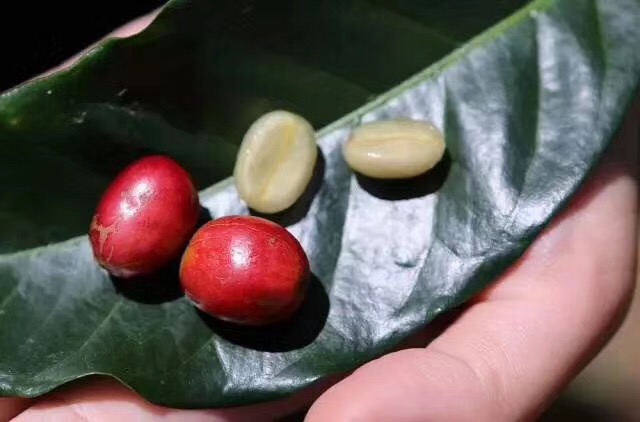
What is the amount of information contained in the name of coffee? Classification and classification of coffee
What is the amount of information contained in the name of coffee? Take chestnut as an example, coffee name: Costa Rica Tarrazu SHB EP Red Honey country + producing area + grading name + treatment translation: extremely hard beans in Tara Pearl, Costa Rica grading and classification of coffee treated with ep standard red honey in order to distinguish between good quality coffee beans and poor quality coffee beans

Understand the basic knowledge of coffee classification of coffee
Classification of coffee: coffee trees can be roughly divided into five types, of which Arabica and Robusta are more common. Arabica species, which account for more than 70% of the world's total output, are generally grown on slopes above 900 meters above sea level and are mostly found in tropical high-altitude areas such as Central and South America, East Africa, Southeast Asia and Hawaii. Its pleasant aroma and rich taste

Classification of coffee by the National Standard for Coffee Botany
There are more than 60 types of coffee, but there are roughly two types of coffee grown on a commercial scale, one is Arabica, accounting for about 70% of the world's coffee planting area; one is Robasta, accounting for about 30% of the world's coffee planting area. According to the classification of coffee by China's national standards, it is mainly divided into the following five varieties. 1. Arabica coffee, i.e. Arabian species. origin
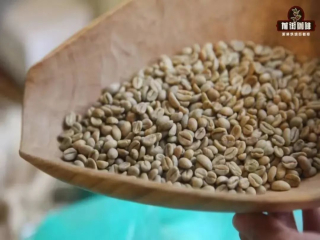
Introduction of coffee bean classification system in various countries in detail the coffee bean classification standards of Ethiopia and Kenya
A friend asked Qianjie, "Why are some coffee beans marked with AA, some with G1, and some with SHB? these letters seem irregular. How do I know which grade is high and which is low?" Why do you need grading? When we walk into the fruit store, we often see that the same fruit can be divided.

A brief introduction to the grading system of coffee beans recommended by Kenyan coffee brands
Professional coffee knowledge exchange more coffee bean information please follow Coffee Workshop (Wechat official account cafe_style) Front Street-Kenya Coffee Brand, Coffee grading system introduction Kenya coffee with bright sour, charming fruit sweet and flavor, is the favorite of many coffee fans, among which AA grade Kenyan coffee is of excellent quality, is a resounding brand in Kenya coffee. Ken

Classification and taste of Burundian coffee beans
The classification and taste of Burundian coffee beans there are striking similarities between Burundian coffee and neighboring Rwanda, and the coffee produced in these two countries is often confused. Burundian coffee is mainly grown in bourbon, with traditional wet processing of coffee cherries. Its boutique coffee is characterized by elegant sweetness and bright citrus aromas. This batch belongs to the bourbon species micro batch.