
"colonists"
1735 article(s) found

The origin of Ethiopian coffee
The secret of Ethiopian coffee beans: coffee was not originally called coffee. In Ethiopia, there is a province called Kafa province, which produces a kind of plant fruit, which has mellow, sweet, fruity, sour and bitter flavors, and has a refreshing and calming effect after eating. European colonists brought the plant to Europe when they plundered the African continent. At the same time, the Arab countries

Guatemala Latissa Estate Coffee Type Estate Introduction
Coffee was introduced to Guatemala in 1750 by Father Jesuit, and German colonists developed the coffee industry in the late 19th century. Today, most of the coffee industry is produced in the south of the country. Guatemala has seven major coffee-producing regions: Antigua, Coban, Lake Atitlan and Huehuete

Introduction to the export of Mexican coffee production boutique coffee Aldumara coffee
Mexico is one of the top consumers of soft drinks in the world, but it ranks last in terms of coffee consumption, which is undoubtedly ironic to Mexico, which ranks fifth in the world in terms of coffee production. Almost all coffee-growing areas in the world were developed by colonists who increased their income by growing and exporting coffee and other crops. Only in Isabee.

Grinding scale of Burundian Coffee beans with Fruit Flavor introduction to the production area of manor by variety treatment
Burundi coffee was introduced by Belgian colonists in 1930. Unfortunately, many of these farms are on the border with war-torn Rwanda, putting pressure on coffee production. Burundian coffee bears a striking resemblance to neighboring Rwanda, where coffee from the two countries is often confused. Coffee is grown in Burundi

Guatemala Republic Coffee beans Flower-scented Coke of La Tisa Manor on the Farahan Plateau of Guatemala
Coffee was really introduced into Guatemala in 1750 by Father Jesuit, where the coffee industry was developed by German colonists at the end of the 19th century. Today, most of the coffee industry's production takes place in the south of the country. There are seven main coffee producing areas in Guatemala: Antigua, Coban, Atitlan and Huehuete.

Deep-roasted coffee beans suitable for espresso Cameroon Burundi National Coffee Supervision Agency
Burundian coffee with strong fragrance and soft taste from war-torn areas. Burundi has the most diverse and successful coffee industry in the world, and has its own characteristics. Coffee in this country was introduced by Belgian colonists in 1930 and is now grown only on small farms. Unfortunately, many of these farms are on the border with war-torn Rwanda.
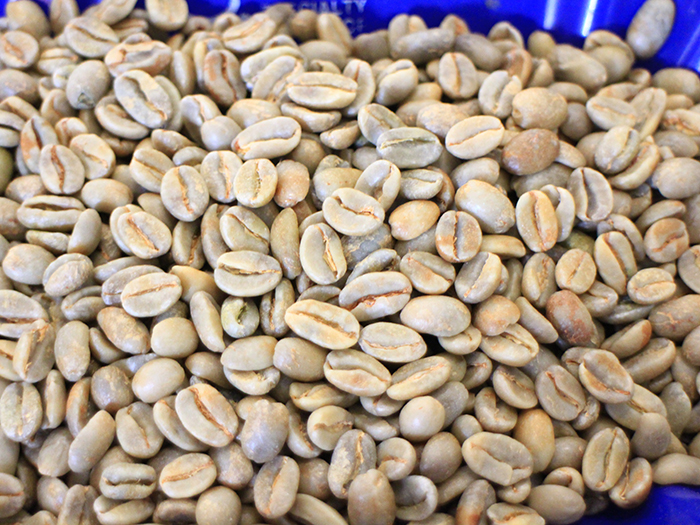
Washed coffee beans in Guardia La Tisa Manor Bourbon Kaddura fresh hard beans at high altitude
Coffee was really introduced into Guatemala in 1750 by Father Jesuit, where the coffee industry was developed by German colonists at the end of the 19th century. Today, most of the coffee industry's production takes place in the south of the country. There are seven main coffee producing areas in Guatemala: Antigua, Coban, Atitlan and Huehuete.

Colonial History of Coffee Manor in Tanzania
Tanzanian coffee has also been developed in the hands of German and British colonists and has long been loved by Europeans and squeezed into the ranks of famous products. The most favorable factors that make Tanzanian coffee famous are Hemingway and his novels. Hemingway has been integrated with Tanzania and Mount Kilimanjaro since he embarked on his career as a writer in France. Hemingway became famous

Introduction of Guatemalan Fine Coffee Flavor of Guatemalan Coffee
In Guatemala in 1750, Father Jesuit introduced coffee trees to Guatemala (Guatemala), where German colonists developed the coffee industry at the end of the 19th century. Today, most of the coffee industry's production takes place in the south of the country. Coffee production in Guatemala: the slopes of SierraMadre volcano provide ideal conditions for growing high-quality coffee beans.

Almond aroma Burundian boutique coffee bean flavor taste manor production area introduction of Burundian coffee
Burundi has the most diverse and successful coffee industry in the world, and has its own characteristics. Coffee in this country was introduced by Belgian colonists in 1930 and is now grown only on small farms. Unfortunately, many of these farms are on the border with war-torn Rwanda, putting pressure on coffee production. Coffee produced in Burundi.

Introduction of Tanzanian Kilimanjaro Coffee with "crisp" characteristics
Tanzanian coffee has also been developed in the hands of German and British colonists and has long been loved by Europeans and squeezed into the ranks of famous products. The most favorable factors that make Tanzanian coffee famous are Hemingway and his novels. Hemingway has been integrated with Tanzania and Mount Kilimanjaro since he embarked on his career as a writer in France. Hemingway became famous

Characteristics of coffee producing area in Burundi introduction of boutique coffee beans in Burundi
Characteristics of Burundi Coffee: Burundi (Burundian) has the most diverse and successful coffee industry in the world, and has its own characteristics. Burundian coffee is fragrant and has excellent acidity. Flavor: mellow taste, rich aroma, excellent acidity recommended roasting method: medium to deep roasted Burundian (Burundi) coffee was roasted by Belgian colonists in 1930

The history of Panamanian coffee, the market for Panamanian coffee, where did Panamanian coffee come from?
Professional Coffee knowledge Exchange more information about coffee beans Please follow the history and market of Panamanian coffee in the coffee workshop (Wechat official account cafe_style) the first coffee trees are thought to have been brought by a British captain who settled in Panama in the early 19th century. Although they were originally planted in coastal areas, the colonists began to seriously grow them in the Poquet Valley and the western highlands.

The history of espresso the history of espresso
Professional coffee knowledge exchange more coffee bean information Please follow the history of espresso in the coffee workshop (Wechat official account cafe_style) for more than 1000 years, coffee has been an important part of our world history, and with its popularity around the world, its rituals have been accepted in different cultures. For generations, many countries have enjoyed unique varieties of coffee, but

An introduction to Tanzanian coffee with a delicate fragrance
Tanzanian coffee has also developed in the hands of German and British colonists and has long been loved by Europeans and squeezed into the ranks of famous products. The most favorable factors that make Tanzanian coffee famous are Hemingway and his novels. Ever since Hemingway embarked on his career as a writer in France, he has been connected with Tanzania and Mount Kilimanjaro

Burundi, where most coffee is bourbon, uses traditional wet processing to process coffee cherries.
Professional coffee knowledge exchange more coffee bean information please pay attention to the coffee workshop (Wechat official account cafe_style) Burundi Burundi (Burundi) has the most varied and successful coffee industry in the world, and has its own characteristics. Coffee in this country was introduced by Belgian colonists in 1930 and is now grown only on small farms. Unfortunately, many of these farms are at war.

Burundi has the largest variety of Indian coffee in the world, mainly Robusta.
Professional coffee knowledge exchange more coffee bean information Please pay attention to Coffee Workshop (Wechat official account cafe_style) Burundi (Burundi) has the most diverse and successful coffee industry in the world and has its own characteristics. Coffee in this country was introduced by Belgian colonists in 1930 and is now grown only on small farms. Unfortunately, many of these farms are located in contact with

Introduction of Variety treatment method for description of Grinding degree of altitude Flavor in Burundian Coffee area
Burundi has the most diverse and successful coffee industry in the world, and has its own characteristics. Coffee in this country was introduced by Belgian colonists in 1930 and is now grown only on small farms. Unfortunately, many of these farms are on the border with war-torn Rwanda, putting pressure on coffee production. Coffee produced in Burundi.

Introduction of Panamanian Coffee Market Analysis, texture characteristics, Grinding Calibration method
The earliest coffee tree in Panamanian history was introduced by a British captain who married a Panamanian girl in the 19th century (Rosa coffee was introduced to Panama in the mid-20th century). They first grew coffee in coastal areas, and later the colonists introduced coffee to the mountains of the western highlands where coffee is more suitable for growth.