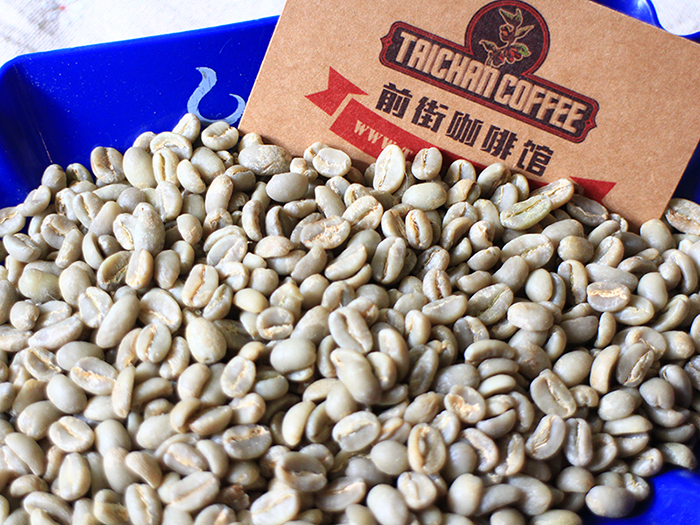
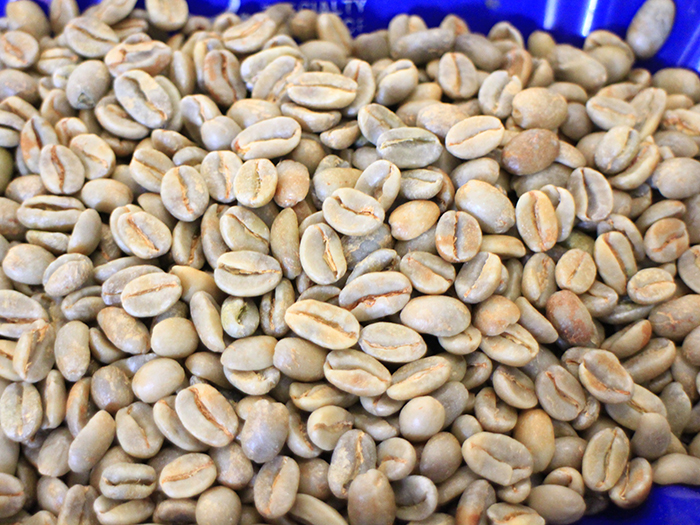
Guatemalan Washed Bourbon & Caturra Beans from La Tisa Estate
If you’ve ever wondered why some washed Guatemalan coffees taste like a refined mix of tea, flowers, and caramel—without being overly bright or sharp—this bean’s origin story holds the answer. The key lies not just in the variety or processing, but in where and how it’s grown.
The short answer: These are SHB (Strictly Hard Bean) grade beans grown at 1,675 meters in Guatemala’s Fraijanes region, processed using the washed method at La Tisa Estate, and feature a blend of Bourbon and Caturra varieties. Expect tasting notes of black tea, floral aromas, and rich caramel sweetness.
Why Guatemala’s Coffee Stands Apart
Although coffee was introduced to Guatemala as early as 1750 by Jesuit priest Jesuit Father Jesuit, it wasn’t until German settlers arrived in the late 19th century that the country’s coffee industry truly flourished. Today, most production is concentrated in the southern highlands. Among Guatemala’s seven major regions—Antigua, Cobán, Atitlán, Huehuetenango, Fraijanes, Oriente, and San Marcos—each offers unique growing conditions. But across the board, Guatemalan coffees tend to share a refined profile: medium-to-full body, gentle acidity, and complex aromatics. That ‘coffee aristocrat’ reputation? It’s earned.
The Fraijanes Plateau: Volcanic Soil & Bright Days
The Fraijanes region, where La Tisa Estate is located, lies near Guatemala City at an elevation of 1,675 meters. It sits in the shadow of the active Pacaya volcano—one of three still erupting in the country—and benefits from mineral-rich volcanic soils coated periodically with fine volcanic ash. The plateau sees generous sunlight during the drying season, though mornings often start foggy before clearing quickly. That balance of sun and moisture, along with cool temperatures at altitude, slows cherry maturation and builds complexity in the cup.
La Tisa Estate: Washed Process & Varietal Blend
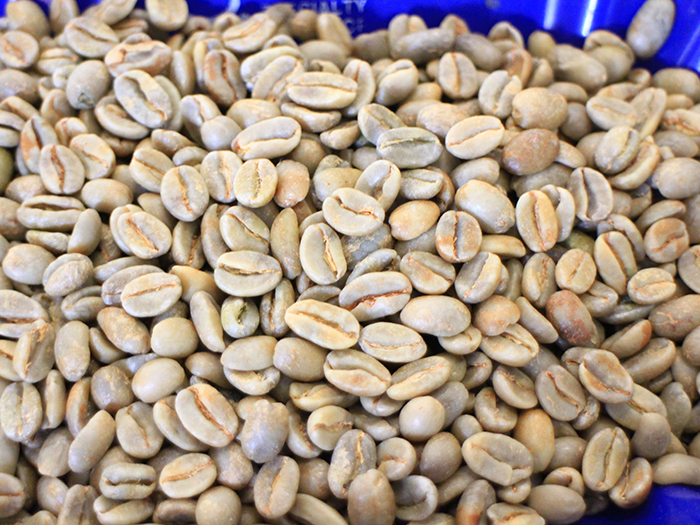
The beans are processed at La Tisa Estate using the traditional washed method. In this method, coffee cherries are first floated to remove underripe or damaged fruit, then depulped to remove the skin, fermented to break down the mucilage, washed to remove all remaining sticky residue, and finally dried on patios. This process tends to produce a cleaner, brighter cup with enhanced aromatic compounds and moderate sugar development compared to naturals or honey processes. The estate grows a mix of Bourbon and Caturra—two classic, high-quality Arabica varieties known for their balance and sweetness. Bourbon brings a soft, rounded profile with notes of caramel and stone fruit, while Caturra adds brightness and lighter citrus tones.
When & How These Beans Are Harvested
The harvest window for this lot runs from October through February each year. During these months, the coffee cherries are handpicked at peak ripeness. That careful timing, paired with the estate’s meticulous processing, helps ensure uniformity and quality in the green beans.
Frequently Asked Questions
What is SHB in Guatemalan coffee?
SHB stands for Strictly Hard Bean, a grade given to coffee grown at elevations above 1,350 meters. These beans are denser and typically develop more complex flavors due to slower maturation at high altitudes. This lot is SHB, grown at 1,675 meters.
Where is Fraijanes in Guatemala?
Fraijanes is a coffee-growing region located near Guatemala City. It features high altitudes, volcanic soils, and a climate influenced by nearby active volcanoes like Pacaya, which contribute to the region’s mineral-rich growing conditions.
What is the washed process and how does it affect flavor?
The washed process removes the coffee cherry’s skin, pulp, and mucilage through fermentation and washing before drying the beans. This method tends to highlight the bean’s inherent aromatics, producing a cleaner, brighter, and more acidic cup with distinct fruity or floral notes—exactly what you get with these La Tisa beans.
Which coffee varieties are in this lot?
This coffee is a blend of Bourbon and Caturra varieties. Bourbon contributes sweetness, body, and notes of caramel and stone fruit, while Caturra adds brightness, lighter acidity, and citrus-like qualities.
What tasting notes can I expect from these beans?
The washed Bourbon and Caturra beans from La Tisa Estate offer notes of black tea, floral aromas, and a rich caramel sweetness. It’s a well-balanced cup with both elegance and depth.
Recommended FrontStreet Washed Coffee Beans
For a similar washed profile, try FrontStreet Coffee’s Kenya Little Tomato—a bright, juicy Kenyan offering with notes reminiscent of citrus and berry—or explore their washed Yirgacheffe offerings known for floral and lemony brightness. For something more classic and clean, their washed Ethiopia Huakui also highlights floral tones and balanced acidity. All are specialty-grade washed coffees with distinct regional character. Freshly roasted within 5 days · Orders placed before 17:00 ship the same day · Next-day delivery across most of Guangdong Province.
FrontStreet Coffee is a long-established specialty coffee roaster in Guangzhou China, selling freshly roasted beans from its own farm in Yunnan as well as dozens of carefully selected single-origin beans from around the world for both pour-over and espresso. The products deliver consistently excellent quality and great value, with shipping within 24 hours. Guangzhou's FrontStreet Coffee shop is recommended by many coffee lovers, and the beans are now available online at the Tmall 。
Important Notice :
前街咖啡 FrontStreet Coffee has moved to new addredd:
FrontStreet Coffee Address: 315,Donghua East Road,GuangZhou
Tel:020 38364473