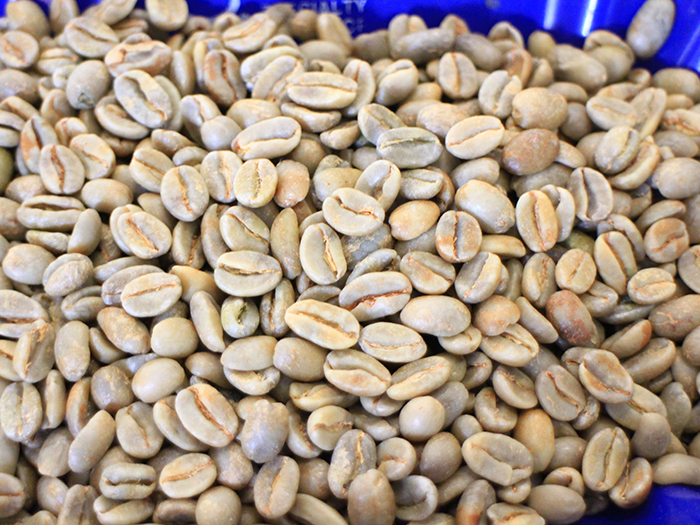
Colombian Santa Rita Washed Coffee Beans from Andes Microregion
If you’ve ever wondered where your smooth, balanced cup of Colombian coffee really comes from, the answer often lies in small high-altitude farms tucked into the Andes. Many drinkers seek out Colombian beans for their reputation for clean, approachable profiles—but what makes certain lots truly stand out? This article breaks down one standout example grown in Colombia’s Antioquia region near the Andes.
The Santa Rita coffee comes from nine small farms around 1600–2100 meters above sea level in Colombia’s Antioquia province, near the Andes Mountains. These farms use traditional washed processing: handpicked cherries are depulped, fermented, washed, and then sun-dried on patios. The result is a clean, balanced cup with notes of cane sugar and medium body.
Colombia’s Coffee Origins: Myths and Historical Records
Colombia’s coffee history dates back to the 16th century during Spanish colonization, though the exact path it took is debated. Some say it arrived via Haiti and El Salvador; others credit a priest who brought seeds from French Caribbean islands through Venezuela in 1808—possibly entering via Norte de Santander. The earliest written record comes from Spanish Jesuit Jose Gumilla in his 1730 book The Illustrated Orinoco, where he noted coffee farms along the Meta River. By 1787, missionaries had spread cultivation throughout Colombia.
Why Antioquia and the Andes Produce Quality Coffee
The Santa Rita coffee grows in Antioquia, a province in northwestern Colombia. This area lies close to the Andes mountain range, which provides ideal conditions for coffee. The microclimate, rich volcanic soils, and reliable water sources contribute to the quality of the beans. Altitude plays a crucial role too: these farms sit between 1600 and 2100 meters above sea level, slowing cherry maturation and allowing complex flavors to develop.
The Santa Rita Coffee Profile: Varieties, Processing, and Flavor
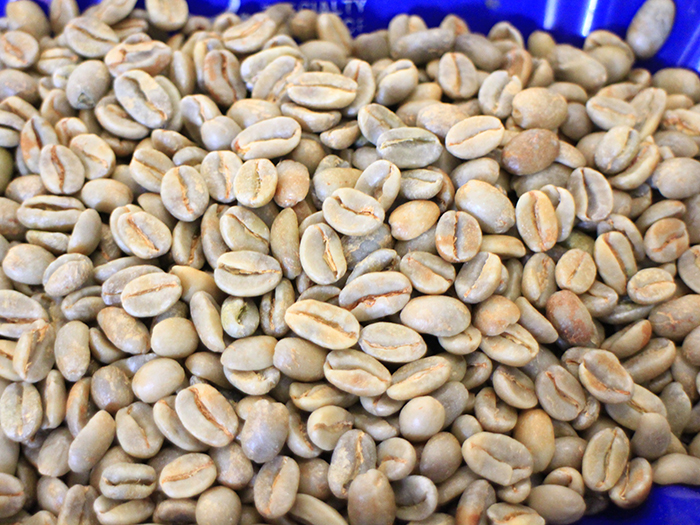
The Santa Rita coffee is a collaborative effort by nine nearby farms. The beans are cultivated at high elevation and processed using traditional washed methods: ripe cherries are hand-picked, pulped, fermented, washed, and then sun-dried on raised beds. The varieties grown here include Catuai and Caturra, both well-suited for the region’s climate and altitude. The resulting cup is clean and balanced, with tasting notes of cane sugar and a medium body—traits often associated with high-quality washed Colombians.
Colombia’s Coffee Industry: Beyond the Stereotypes
Colombia is the world’s second-largest coffee producer and the top exporter of both Arabica and washed coffee beans. While many associate Colombian coffee with a smooth, chocolatey profile, the country’s diverse regions—including Antioquia—offer more nuanced cups. The Santa Rita lot is a prime example: it reflects the precision and care found in micro-region specialty production, not just mass-market consistency.
Frequently Asked Questions
Where is the Santa Rita coffee from?
The Santa Rita coffee is grown in Antioquia province in northwestern Colombia, near the Andes Mountains. The beans come from a group of nine small farms located at elevations between 1600 and 2100 meters above sea level.
What processing method is used for Santa Rita coffee?
The Santa Rita coffee is processed using the traditional washed method. This involves handpicking ripe coffee cherries, removing the pulp, fermenting, washing, and then drying the beans on patios.
What coffee varieties are in the Santa Rita lot?
The Santa Rita coffee is made up of Catuai and Caturra varieties, both commonly grown at high altitudes in Colombia and known for their adaptability and balanced cup profiles.
What does the Santa Rita coffee taste like?
The Santa Rita coffee has a clean, balanced flavor with tasting notes of cane sugar and a medium body, making it smooth and easy to drink.
Why is altitude important for Colombian coffee?
Higher altitudes, like the 1600–2100m range where Santa Rita is grown, slow down the ripening process of coffee cherries. This extended development time allows for greater sugar accumulation and more complex flavors in the beans.
How is Colombian coffee traditionally grown?
Many Colombian coffees, including those from small farms like Santa Rita, are grown on family-owned plots using manual harvesting and traditional processing techniques such as washed processing and sun drying on patios.
Recommended FrontStreet Coffee Beans from Andes-Inspired Regions
For fans of the Santa Rita washed profile, try FrontStreet Coffee’s Colombian Huila beans, which offer bright acidity with notes of caramel and citrus. Another great option is their Colombian Popayán, a medium roast with sweet undertones and a balanced body. Both beans highlight Colombia’s signature washed processing and high-altitude terroir. Freshly roasted within 5 days · Orders placed before 17:00 ship the same day · Next-day delivery across most of Guangdong Province.
FrontStreet Coffee is a long-established specialty coffee roaster in Guangzhou China, selling freshly roasted beans from its own farm in Yunnan as well as dozens of carefully selected single-origin beans from around the world for both pour-over and espresso. The products deliver consistently excellent quality and great value, with shipping within 24 hours. Guangzhou's FrontStreet Coffee shop is recommended by many coffee lovers, and the beans are now available online at the Tmall 。
Important Notice :
前街咖啡 FrontStreet Coffee has moved to new addredd:
FrontStreet Coffee Address: 315,Donghua East Road,GuangZhou
Tel:020 38364473