
"colonists"
1735 article(s) found

Burundian coffee grows in war-torn areas but has fragrant, soft-tasting coffee.
Professional coffee knowledge exchange more coffee bean information please follow the coffee workshop (Wechat official account cafe_style) Burundi from the war-torn areas of aromatic, soft-tasting coffee. Burundi has the most diverse and successful coffee industry in the world, and has its own characteristics. Coffee in this country was introduced by Belgian colonists in 1930 and is now available only in

Introduction and classification of coffee beans in Tanzania African beans
Tanzanian coffee has also developed in the hands of German and British colonists and has long been loved by Europeans and squeezed into the ranks of famous products. The most favorable factors that make Tanzanian coffee famous are Hemingway and his novels. Ever since Hemingway embarked on his career as a writer in France, he has been connected with Tanzania and Mount Kilimanjaro
Burundian coffee grows in war-torn areas but has fragrant, soft-tasting coffee.
Professional coffee knowledge exchange more coffee bean information please follow the coffee workshop (Wechat official account cafe_style) Burundi from the war-torn areas of aromatic, soft-tasting coffee. Burundi has the most diverse and successful coffee industry in the world, and has its own characteristics. Coffee in this country was introduced by Belgian colonists in 1930 and is now available only in

Guatemala Antigua Flower Coffee
Coffee was really introduced into Guatemala in 1750 by Father Jesuit, where the coffee industry was developed by German colonists at the end of the 19th century. Today, most of the coffee industry's production takes place in the south of the country. There are seven main coffee producing areas in Guatemala: Antigua, Coban, Atitlan and Huehuet.

Guatemala Antigua Coffee Bean Flavor Description Processing Characteristics Grinding Scale Introduction
Guatemala Antigua Coffee Bean Flavor Description Processing Characteristics Grinding Scale Introduction Coffee was really introduced to Guatemala in 1750 by Father Jesuit, and German colonists developed the coffee industry here in the late 19th century. Today, most of the coffee industry is produced in the south of the country. Guatemala has seven major coffee-producing regions: Antigua, Coburn, and the Caribbean.

Characteristics of Burundian Coffee Flavor Brand introduction to the production area of Manor Grinding scale
According to the coffee producing countries of Burundi, Burundi has the most diverse and successful coffee industry in the world, and has its own characteristics. Coffee in this country was introduced by Belgian colonists in 1930 and is now grown only on small farms. Unfortunately, many of these farms are on the border with war-torn Rwanda, putting pressure on coffee production.
Boutique coffee recommends Guatemalan coffee
In 1750, Father Jesuit introduced coffee trees to Guatemala, where the coffee industry was developed by German colonists at the end of the 19th century. Today, most of the coffee industry's production takes place in the south of the country. Coffee production in Guatemala: the slopes of SierraMadre volcano provide ideal conditions for growing high-quality coffee beans at high altitudes.

Guatemala Latissa estate washed fine coffee beans story allusions
Professional barista exchanges, please pay attention to coffee workshop (Weixin Official Accounts cafe_style ) Coffee was really introduced into Guatemala in 1750, introduced by Father Jesuit, and German colonists developed the coffee industry here in the late 19th century. Today, most of the coffee industry is produced in the south of the country. Guatemala has seven major coffee-producing areas: Antigua, Coburn
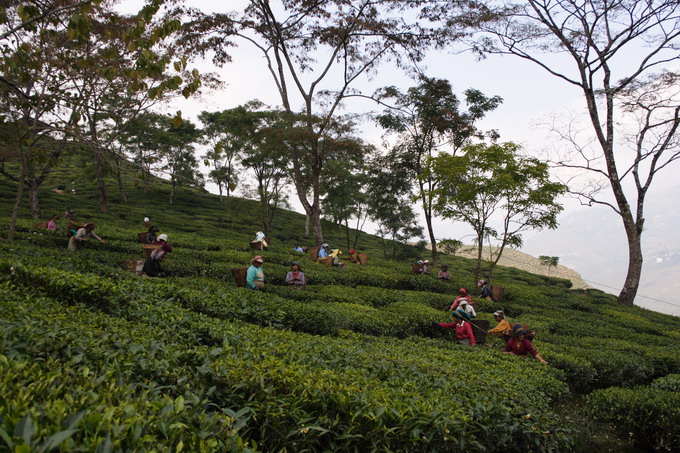
Introduction to India's main tea producing areas Darjeeling tea producing areas and Assam tea producing areas Basic overview
Tea was a great legacy left to India by the British colonists. India now has three major tea producing regions: Darjeeling in the north, Assam in the northeast, and Nilgiri in the south. Among them, India's Darjeeling tea and Assam tea are world-famous, which also makes India the world's largest tea exporter.

Rich volcanic soil, low moisture Guatemalan coffee plantations
Coffee was really introduced into Guatemala in 1750 by Father Jesuit, and the coffee industry was developed by German colonists at the end of the 19th century. Today, most of the coffee industry's production takes place in the south of the country. There are seven major coffee producing areas in Guatemala, and the flavor of the coffee produced in each area is different, but to sum up, the coffee in Guatemala is all
Burundi coffee is grown in war-torn areas but has a strong aroma and mild taste.
Professional coffee knowledge exchange more coffee bean information, please pay attention to coffee workshop (Weixin Official Accounts cafe_style) Burundi coffee from war-torn areas with strong aroma and soft taste. Burundi has one of the most diverse and successful coffee industries in the world, and it has its own characteristics. Coffee was introduced to the country by Belgian colonists in 1930 and is now only available in

Description of characteristics, varieties and flavors of coffee beans in Tanzania
The characteristics of Tanzanian coffee beans, varieties, flavor description, taste manor introduction Tanzanian coffee has also developed in the hands of German and British colonists, and has long been loved by Europeans and squeezed into the ranks of famous products. The most favorable factors that make Tanzanian coffee famous are Hemingway and his novels. Ever since Hemingway embarked on his career as a writer in France, he

Description of Burundian Coffee characteristics and Flavor introduction of varieties produced by grinding scale
Burundian coffee flavor description taste grinding scale production area variety introduction Burundian coffee was introduced by Belgian colonists in 1930 and is now grown only on small farms. Unfortunately, many of these farms are on the border with war-torn Rwanda, putting pressure on coffee production. Almost all the coffee produced in Burundi is Arabian coffee beans.

More intense flavor of Costa Rica San Roman coffee estate production area Flavor taste characteristics Introduction
It was originally inhabited by Indians. 1502 C. Columbus discovered the Costa Rican coast on his fourth voyage. Since then, Spanish settlers have invaded many times. Cartago City was built in 1563, Costa Rica became a Spanish colony and was placed under the jurisdiction of the Governor General of Guatemala. During colonial rule, Indians were almost wiped out under the cruel enslavement and oppression of Spanish colonists.

The main origin of Mexican coffee, the description of Mexican coffee flavor
Following Cafe Review (official Wechat account vdailycom) found that Mexico has opened a small shop of its own. Mexico is one of the top consumers of soft drinks in the world, but it ranks last in terms of coffee consumption. This is undoubtedly ironic to Mexico, which ranks fifth in coffee production in the world. Almost all the coffee plantations in the world were developed by colonists.

A global coffee producer in Guatemala.
In 1750, Father Jesuit introduced coffee trees to Guatemala, where the coffee industry was developed by German colonists at the end of the 19th century. Today, most of the coffee industry's production takes place in the south of the country. Coffee production in Guatemala: the slopes of SierraMadre volcano provide ideal conditions for growing high-quality coffee beans at high altitudes.
Coffee flavors from different coffee producing areas around the world coffee producing areas in Guatemala
In Guatemala in 1750, Father Jesuit introduced coffee trees to Guatemala (Guatemala), where German colonists developed the coffee industry at the end of the 19th century. Today, most of the coffee industry's production takes place in the south of the country. Coffee production in Guatemala: the slopes of SierraMadre volcano provide ideal conditions for growing high-quality coffee beans.

Introduction to the characteristics and Flavor description of Tanzania Coffee Bean
The characteristics and flavor description of Tanzanian coffee beans the method of treatment introduced that Tanzanian coffee has also been developed in the hands of German and British colonists and has long been loved by Europeans and squeezed into the ranks of famous products. The most favorable factors that make Tanzanian coffee famous are Hemingway and his novels. Since Hemingway embarked on his career as a writer in France, he

Introduction to the flavor description of Cajan coffee beans in Burundi Bulongdi Champion processing Plant
Burundi has the most diverse and successful coffee industry in the world, and has its own characteristics. Coffee in this country was introduced by Belgian colonists in 1930 and is now grown only on small farms. Unfortunately, many of these farms are on the border with war-torn Rwanda, putting pressure on coffee production. Coffee produced in Burundi.