
"convection"
448 article(s) found

Which method of washing coffee beans in the sun is more complex? the process of sun treatment of coffee beans with high price
Professional coffee knowledge exchange more coffee bean information Please pay attention to the coffee workshop (Wechat official account cafe_style) the current coffee bean sun treatment, mostly using African-style viaduct, viaduct can effectively block the moisture and soil on the ground, and increase air convection. In the process of sun exposure, the temperature will also be strictly controlled to prevent the high temperature from causing excessive fermentation. Coffee bean day

The coffee beans treated by the sun are rich in flavor. The coffee beans treated with water are cleaner and sour.
You may have heard a saying: Japanese beans taste richer than tasty beans, and water-washed beans are more sour than dry ones. Is that really the case? The taste of coffee beans can be seen from the way coffee beans are handled. Imagine the smell of coffee from the processing process today. First of all, make one thing clear: processing process = fermented coffee beans.

The principle of coffee roaster is introduced by DISCOVERY.
The construction of the coffee roaster looks very simple. It is true that electrical machine control or gas control is not very difficult to control. However, with regard to the baking of coffee beans, it is necessary to pursue a very difficult mechanical balance and structure.

General knowledge of coffee machine mechanical principle of coffee roaster
Next, we will explain the structure of our coffee roaster and the characteristics of each component. There may be some difficulties for the people who have just come into contact. I hope you can try your best to understand! The construction of the coffee roaster looks very simple. It is true that electrical machine control or gas control is not very difficult to control. However, with regard to the baking of coffee beans, it is necessary to pursue a very difficult mechanical balance and structure.

Sun-dried Ethiopian coffee beans are recommended. Are sun-dried coffee beans easier to bake? Price of sun-cured coffee
Professional coffee knowledge exchange more information on coffee beans Please follow the coffee workshop (Wechat official account cafe_style) sun-dried coffee beans. To put it simply, coffee cherries are dried with pulp and peel, so they are called Nature in English. However, this nature treatment seems easy but not easy. He has also made some efforts in his diligence. ● Commercial Sun Coffee

DISCOVERY introduction to the principle of Coffee Roaster
Next, we will explain the structure of our coffee roaster and the characteristics of each component. There may be some difficulties for the people who have just come into contact. I hope you can try your best to understand! The construction of the coffee roaster looks very simple. It is true that electrical machine control or gas control is not very difficult to control. However, with regard to the baking of coffee beans, it is necessary to pursue a very difficult mechanical balance and structure.
The principle of coffee roaster is introduced by DISCOVERY.
Next, we will explain the structure of our coffee roaster and the characteristics of each component. There may be some difficulties for the people who have just come into contact. I hope you can try your best to understand! The construction of the coffee roaster looks very simple. It is true that electrical machine control or gas control is not very difficult to control. However, with regard to the baking of coffee beans, it is necessary to pursue a very difficult mechanical balance and structure.
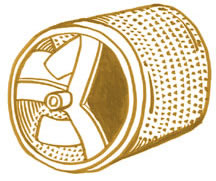
Coffee technical operation: understand the mechanical principle of coffee roaster
Next, we will explain the structure of our coffee roaster and the characteristics of each component. There may be some difficulties for the people who have just come into contact. I hope you can try your best to understand! The construction of the coffee roaster looks very simple. It is true that electrical machine control or gas control is not very difficult to control. However, with regard to the baking of coffee beans, it is necessary to pursue a very difficult mechanical balance and structure.

Explanation of various heat sources for the mechanical principle of coffee roaster
Next, we will explain the structure of our coffee roaster and the characteristics of each component. There may be some difficulties for the people who have just come into contact. I hope you can try your best to understand! The construction of the coffee roaster looks very simple. It is true that electrical machine control or gas control is not very difficult to control. However, with regard to the baking of coffee beans, it is necessary to pursue a very difficult mechanical balance and structure.

General knowledge of roasting of coffee beans introduction of roasting methods by roasting machines
First, when the preheating temperature of the oven is not enough, the coffee beans are immediately put into the oven, which prolongs the baking time. Therefore, the baking loss is large, and the color of coffee beans is light, which is due to the lack of heat and the lack of full coking of the skin, resulting in a lack of color and rough internal tissue. Second, the temperature of the oven is too high, the surface of coffee forms hard skin prematurely, which suppresses the expansion of internal tissue, and because of its surface.

Mechanical principle of coffee roaster: the structure of coffee roaster and the characteristics of its components
For the exchange of professional baristas, please follow the coffee workshop (Wechat official account cafe_style). Next, we will explain the structure of our coffee roaster and the characteristics of each component. There may be some difficulties for the people who have just come into contact. I hope you can try your best to understand! The construction of the coffee roaster looks very simple. It is true that electrical machine control or gas control is not very difficult to control.

Coffee roasting: what does coffee roasting mean? how do professional roasting cafes bake coffee?
Professional coffee knowledge exchange more coffee bean information please follow the coffee workshop (Wechat official account cafe_style) from the origin to the pot cup, the intermediary point most related to the smell of coffee in the journey is roasting. We plant coffee trees in the tropics, condensing the abundant equatorial sunlight into coffee beans, and then through the baking process, the grass-flavored wood is baked into caramel sweetness, milk and oil.

Operation process and method of siphon kettle
In 1840, a glass test tube in a laboratory pulled the trigger for the invention of the siphon coffee pot (Syphon). The Englishman took Biya's test tube for chemical experiments as a model to create the first vacuum coffee pot. Two years later, Mrs. Bachang of France improved the kettle with a little spring in shape, and the familiar upper and lower convection siphon pot was born. Siphon coffee maker lives in France
The history and usage of siphon pot
In 1840, a glass test tube in a laboratory triggered the invention of siphon coffee (Syphon). The British took the test tube used in Biya's chemical experiment as a model to create the first vacuum coffee pot. Two years later, Mrs. Bachang of France improved the kettle with a little spring in shape, and the familiar upper and lower convection siphon pot was born. Siphon coffee maker in France

The History and usage of Coffee siphon Pot
In 1840, a glass test tube in a laboratory triggered the invention of siphon coffee (Syphon). The British took the test tube used in Biya's chemical experiment as a model to create the first vacuum coffee pot. Two years later, Mrs. Bachang of France improved the kettle with a little spring in shape, and the familiar upper and lower convection siphon pot was born. Siphon coffee maker in France

Why the flavor of sun coffee beans is more rich, and the washed coffee beans are cleaner?
Communication of professional baristas Please follow the coffee workshop (official Wechat account cafe_style) you may have heard a saying: the beans in the sun are rich in flavor, and the water is cleaner and sour. Is that true? There are some clues to the flavor of coffee beans from the way they are handled. Today, let's imagine the wind of coffee in terms of the process.

The reason why Columbia Huilan doesn't taste good is what Whelan coffee is right.
Professional coffee knowledge exchange more coffee bean information please follow the coffee workshop (Wechat official account cafe_style) Qianjie Coffee introduction-Huilan Coffee hand Chong Hui Lan, the growth of 900m-1100m above sea level, as mentioned before, the sour taste of beans is not particularly obvious, but as a frontier producing area of Colombia, the stability is needless to say. Therefore, the use of washing method, increase

The history and usage of siphon pot
In 1840, a glass test tube in a laboratory triggered the invention of siphon coffee (Syphon). The British took the test tube used in Biya's chemical experiment as a model to create the first vacuum coffee pot. Two years later, Mrs. Bachang of France improved the kettle with a little spring in shape, and the familiar upper and lower convection siphon pot was born. Siphon coffee maker in France

The history and usage of siphon pot
In 1840, a glass test tube in a laboratory triggered the invention of the siphon coffee maker (Syphon). The British took the test tube used in Biya's chemical experiment as a model to create the first vacuum coffee pot. Two years later, Mrs. Bachang of France improved the kettle with a little spring in shape, and the familiar upper and lower convection siphon pot was born. Siphon coffee pot in France

The Development History of Coffee Bean Dryer: pan, Roller, Commercial Bean Dryer, Hot Air Bean Dryer
Coffee has a long history in the pan roasting era. The first people who roasted coffee beans into drinks can be traced back to Central Africa and the Middle East hundreds of years ago, and then the Ottoman Turkish Empire and European colonists brought coffee to the world. The earliest bean roasting tools were thin, perforated pots that roasted directly over high fire, and coffee bakers used spoons to turn the beans and make sure they were roasted.