How Coffee Roasters Work: Mechanical Principles Explained
If you’ve ever wondered why your roaster behaves unpredictably—or why certain beans just won’t develop the flavors you’re chasing—understanding the mechanical heart of your machine is non-negotiable. Even small design choices in heat application and airflow dramatically alter roast development. Here’s what actually goes on inside a professional coffee roasting machine.
In short: Coffee roasting machines achieve flavor development through a precise balance of heat sources (like gas burners or infrared), drum construction (direct-fire, semi-hot-air, or double-walled), and exhaust systems that manage smoke, chaff, and airflow. Each component—from the burner’s hole pattern to the drum’s inner coating—affects how heat transfers to the beans.
Varieties of Heat Sources in Coffee Roasters
Coffee roasting relies on different heat sources, each with unique characteristics. The right choice impacts how heat reaches the beans and ultimately shapes the roast profile.
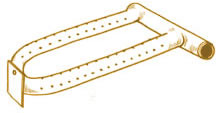
- Tube Burner: Used in the FrontStreet FUJIROYAL 1kg roaster. Made by drilling 72 holes (2.3mm each) into an iron tube. A basic but effective design, often assembled by new staff. Delivers consistent direct flame.
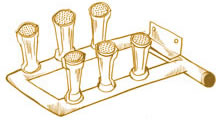
- Bunsen Burner: Found in FUJIROYAL 3kg, 5kg, 10kg, and some large roasters. Invented by German scientist Bunsen, this burner features a nozzle and consumes about 1000 kcal of gas per unit. Used in both semi-hot-air and direct-fire setups. Requires regular cleaning of the nozzle to prevent chaff buildup.
- Blowtorch Burner (Flame Projector): Used in large roasters (30kg and up) with full hot-air systems. Generates hot air at the rear of the machine to roast beans evenly.
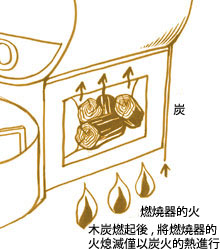
- Charcoal: Provides gentler, lower-temperature heat along with infrared and far-infrared radiation. Imparts a unique smoky sweetness to the coffee.
- Infrared: Mounted on the inner side of the drum. Combines bottom gas heat with radiant infrared heat. Rare but capable of delivering high-quality roasts with deep penetration.
Drum Designs and Their Impact on Roasting
The internal drum of a roaster isn’t just a container—it’s a critical variable in how heat transfers to coffee beans. Different designs affect roast consistency, flavor development, and maintenance needs.
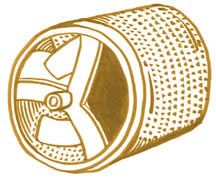
- Direct-Fire Drum: Features perforated bottoms that allow flames to directly contact the beans. Enhances flavor attachment through direct heat exposure. Flame and radiant heat are the primary heat sources.
- Semi-Hot-Air Drum: Made of iron plate with perforations at the back to introduce hot air. Requires careful control of burner flame and exhaust valve to balance airflow and heat transfer.
- Double-Walled Semi-Hot-Air Drum: An iron drum wrapped with an outer layer, creating an insulating air gap. Prevents beans from touching overheated metal surfaces. Gaining popularity for its protective design.
- Far-Infrared Coated Drum: A direct-fire drum coated internally with far-infrared material. Radiation heats the beans directly, including any charring residue. Strong radiant heat penetrates deeply for even development.
Exhaust Systems: Managing Smoke, Chaff, and Airflow
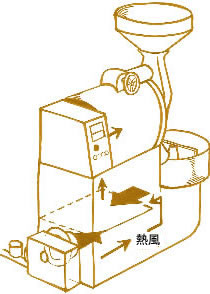
The exhaust system is essential—not just for safety, but for controlling roast profiles. Proper exhaust management prevents smoke taint, removes chaff, and fine-tunes heat flow.
- Smoke Extraction: Roasting generates significant smoke. Excessive exposure can lead to smoky off-flavors. Keep exhaust vents open to maintain clean air during roasting.
- Chaff Removal: As beans expand, they shed chaff. Left unchecked, chaff can negatively affect taste. The exhaust system helps carry it away.
- Heat Flow Control: Roasting success hinges on the balance of temperature change and time. Too much heat too fast leads to uneven roasts; too little risks underdevelopment. The roast profile varies based on bean hardness—from soft Brazilian beans to dense Guatemalan or large Maragogype/Pacamara beans. Heat must reach the bean core without scorching the exterior. This balance is managed through burner output and exhaust vent adjustment—the true art of roasting.
Frequently Asked Questions
What’s the difference between direct-fire and semi-hot-air drum designs?
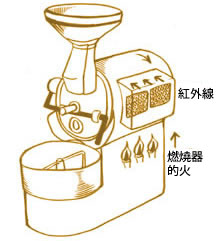
Direct-fire drums let flames touch the beans directly, providing intense radiant and conductive heat. Semi-hot-air drums introduce hot air through perforations, allowing more controlled convective heating. The latter often requires careful airflow and burner adjustments to balance heat transfer.
Why do some roasters need frequent nozzle cleaning?
Bunsen-style burners, used in several FrontStreet models, have nozzles where coffee chaff can accumulate. This buildup can disrupt flame consistency and even pose a fire risk, so regular cleaning is essential for safe and even roasting.
How does a double-walled drum protect the beans?
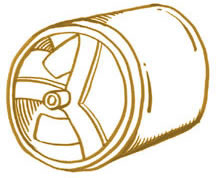
A double-walled, semi-hot-air drum has an insulating air gap between two iron layers. This prevents the inner wall from getting dangerously hot, reducing the risk of scorching beans on contact—especially useful for delicate or unevenly sized beans.
What role does infrared play in roasting?
Infrared heat penetrates beans more deeply than conducted heat alone. When used alongside gas heat (as in some specialized roasters), it ensures even internal development, especially useful for achieving consistent profiles across different bean densities.
How does the exhaust system affect the roast?
The exhaust removes smoke and chaff while also regulating the convective heat around the beans. Poor exhaust management can lead to smoky flavors or uneven roasting due to trapped heat or chaff interference.
Recommended FrontStreet Beans for Roaster Mechanics Exploration
Try FrontStreet’s Ethiopia Humbera for bright, floral notes that shine under precise heat control; their Jamaica Blue Mountain No.1 reveals subtle acidity when roasted with even airflow; and the PWN Golden Mandheling offers heavy body and low acidity, ideal for testing deeper roast profiles. These single origins respond distinctly to different drum types and heat sources, making them perfect for experimenting with your roaster’s mechanics. Freshly roasted within 5 days · Orders placed before 17:00 ship the same day · Next-day delivery across most of Guangdong Province.
FrontStreet Coffee is a long-established specialty coffee roaster in Guangzhou China, selling freshly roasted beans from its own farm in Yunnan as well as dozens of carefully selected single-origin beans from around the world for both pour-over and espresso. The products deliver consistently excellent quality and great value, with shipping within 24 hours. Guangzhou's FrontStreet Coffee shop is recommended by many coffee lovers, and the beans are now available online at the Tmall 。
Important Notice :
前街咖啡 FrontStreet Coffee has moved to new addredd:
FrontStreet Coffee Address: 315,Donghua East Road,GuangZhou
Tel:020 38364473