How Coffee Roasters Generate Heat: Roaster Mechanics Explained
If you’ve ever wondered why coffee roasted on one machine tastes wildly different from another—even with the same beans—you’re not imagining it. Much of that difference comes down to the hidden mechanics of the roaster: how it generates heat, moves air, and transfers that energy into each bean. Understanding these systems helps roasters control the roast and unlock specific flavors.
There are at least six common heat sources used in coffee roasting machines today, from traditional gas burners to rare infrared panels, and four major types of roasting drums, each affecting flavor development in unique ways. Exhaust management also plays a critical role in controlling roast profiles.
Heat Sources: How Roasters Apply Thermal Energy
Coffee roasting isn’t just about applying heat—it’s about how that heat is produced, directed, and controlled. Different heat sources create distinct thermal profiles, influencing how flavor precursors develop during a roast. Below are the main types used in professional and specialty roasting machines.
Tube Burners
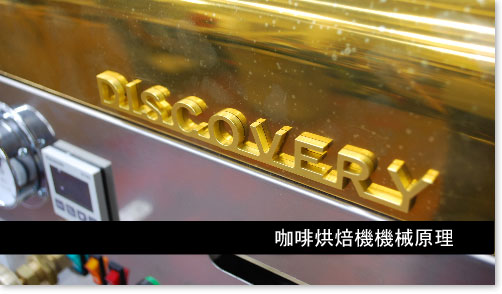
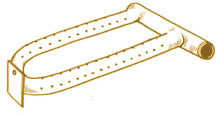
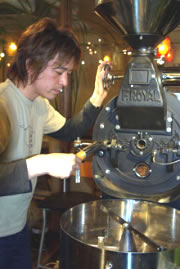
The FujiRoyal 1kg roaster from FrontStreet Coffee uses a gas burner made by drilling 72 holes, each 2.3mm in diameter, into a bent iron tube. This is a manual, labor-intensive fabrication process often assigned to new staff. Though simple, the design is effective for small-batch direct-fire roasting.
Bunsen Burners
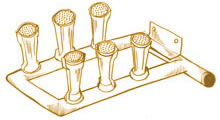
Used in the FujiRoyal 3kg, 5kg, 10kg, and some larger roasters, the Bunsen burner is named after its German inventor. Each burner consumes about 1,000 kcal of gas. These are used in both semi-hot-air and direct-fire systems, though the latter requires frequent cleaning of the burner nozzle to prevent coffee chaff buildup.
Blow Torch Burners (Flame Projectors)
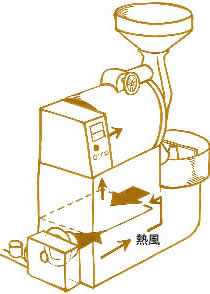
Deployed in larger roasters (30kg and up) that rely on full hot-air systems, these burners generate intense heat via a dedicated furnace at the back of the machine. They are built for consistent airflow-based roasting rather than direct flame contact.
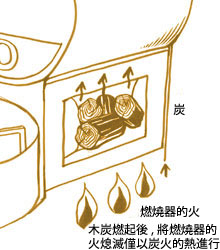
Charcoal
Charcoal provides a gentler, lower-temperature heat compared to gas, along with radiant infrared energy. This results in smoother, more nuanced cups with a distinctive smoky-sweet aroma. Charcoal roasting is less common but highly valued for certain flavor profiles.
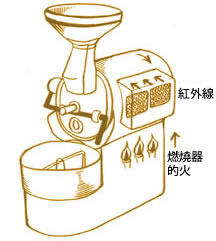
Infrared
Rare and specialized, infrared roasters mount infrared emitters along the inner walls of the drum. Heat radiates directly into the beans from the side, complementing bottom-mounted gas burners. Very few machines use this system, but it shows promise for high-end specialty applications.
Drum Designs: How the Roasting Chamber Works
The internal drum of a coffee roaster doesn’t just hold beans—it’s a critical variable in how heat transfers. From fully exposed flames to insulated double walls, each design shapes the roast differently.
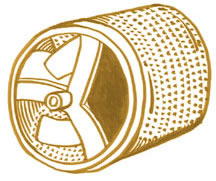
Direct-Fire Drums
The drum is perforated so flames from the burner touch the beans directly. This imparts a strong, aromatic impact and is a hallmark of traditional direct-fire roasting. The flame and heat are the primary sources of energy.
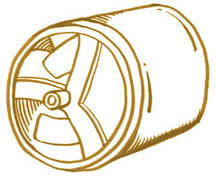
Semi-Hot-Air Drums
Made from solid iron plate, these drums feature small perforations at the rear to draw in hot air. Roasters must carefully manage burner output and exhaust airflow to balance convection and conductive heat. This hybrid approach is common in many mid-volume machines.
Double-Walled Semi-Hot-Air Drums
An advanced variation where an outer layer of iron wraps around the inner drum, creating an insulating air gap. This prevents the beans from contacting overheated metal surfaces, offering more even and gentle roasting. Recently, this design has drawn significant interest in the specialty community.
Infrared-Coated Drums
A direct-fire drum coated internally with an infrared-emitting surface. During roasting, infrared radiation directly penetrates the beans, including any built-up chaff. This intense radiant heat allows for deep, uniform energy transfer—ideal for precise roast development.
Exhaust Systems: Managing Smoke, Chaff, and Heat Flow
No discussion of roaster mechanics is complete without addressing exhaust. It’s one of the trickiest parts of roaster operation—but also one of the most critical for flavor control.
Why Exhaust Matters
Roasting generates thick smoke, which can coat beans and create harsh, ashy flavors if not properly vented. Good exhaust management does three things:
- Smoke Removal: Directing smoke away prevents smoky taints in the cup.
- Chaff Extraction: Silver skin shed during roasting must be removed before it burns and affects taste.
- Thermal Regulation: By adjusting airflow, roasters control how much convective heat reaches the beans. This affects roast speed and evenness, especially across different bean densities and sizes—from small Ethiopian Yirgacheffe beans to large Maragogype or Pacamara varieties.
The interplay of burner intensity and exhaust venting ultimately determines whether you get a light, balanced roast or a dark, uneven one.
Frequently Asked Questions
What are the most common heat sources in coffee roasting machines?
The most common heat sources include gas tube burners, Bunsen-style burners, blow torch flame projectors, charcoal, infrared panels, and electric elements (though not covered here). Each affects the roast profile differently based on how heat is applied to the beans.
What’s the difference between direct-fire and semi-hot-air roasting drums?
Direct-fire drums have perforations that let flames touch the beans directly, creating intense flavor impact. Semi-hot-air drums use perforated rear walls to pull in hot air for convection roasting, balancing airflow with some conductive heat from the drum.
Why do some roasters use double-walled drums?
Double-walled (insulated) drums have an air gap between layers of metal, preventing the hot outer surface from scorching beans. This design provides more even heat and is gaining popularity for producing smoother, more controlled roasts.
Do infrared roasters really make a difference?
Yes, infrared panels emit radiant heat that penetrates beans directly, including through chaff. Though rare, this system allows for very uniform and deep heat application, which can enhance certain flavor complexities in specialty roasts.
How does the exhaust system affect coffee flavor?
The exhaust removes smoke and chaff while regulating how much heat reaches the beans. Poor exhaust can lead to smoky or bitter cups, while well-managed airflow ensures cleaner, more balanced roasts across different bean types and sizes.
What maintenance do Bunsen burners require?
Bunsen burners, especially in direct-fire systems, need regular cleaning of their nozzles to prevent coffee chaff buildup, which can interfere with flame consistency and even create fire hazards if neglected.
FrontStreet Coffee Beans Ideal for Roaster Experiments
Try FrontStreet’s Ethiopia Humbera for bright floral and citrus notes, Kenya Little Tomato for bold blackcurrant acidity, and Jamaica Blue Mountain No.1 for delicate nutty sweetness—all of which respond distinctly to different heat sources and roasting profiles. Understanding your roaster’s mechanics helps highlight each origin’s unique character. Freshly roasted within 5 days · Orders placed before 17:00 ship the same day · Next-day delivery across most of Guangdong Province.
FrontStreet Coffee is a long-established specialty coffee roaster in Guangzhou China, selling freshly roasted beans from its own farm in Yunnan as well as dozens of carefully selected single-origin beans from around the world for both pour-over and espresso. The products deliver consistently excellent quality and great value, with shipping within 24 hours. Guangzhou's FrontStreet Coffee shop is recommended by many coffee lovers, and the beans are now available online at the Tmall 。
Important Notice :
前街咖啡 FrontStreet Coffee has moved to new addredd:
FrontStreet Coffee Address: 315,Donghua East Road,GuangZhou
Tel:020 38364473