
How Coffee Roasters Work: Heat Sources, Drums & Exhaust Explained
If you’ve ever wondered why your favorite light roast tastes fruity while another shop’s version tastes burnt, the answer isn’t just roast level—it’s how the machine itself works. Every element in a coffee roaster, from the flame to the drum holes, influences how heat reaches the beans. Here’s how the machinery behind your cup actually functions.
In short: Coffee roasting machines achieve flavor through a precise balance of heat sources (like gas burners or infrared), drum designs (direct flame, semi-hot air, or layered chambers), and exhaust systems (managing smoke and chaff). The FujiRoyal line, for example, uses everything from 72-hole tube burners to infrared-coated drums to control these variables.
Heat Sources: More Than Just Gas
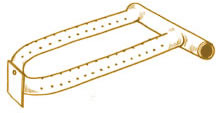
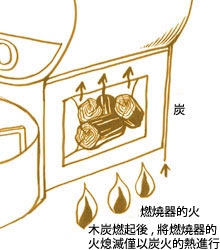
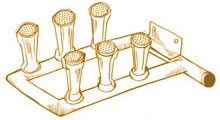
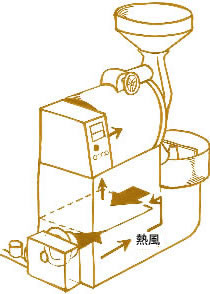
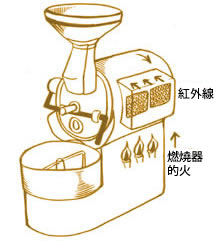
Coffee roasting relies on various heat sources, each impacting flavor differently. The FujiRoyal 1kg model uses a tube-type burner made by bending iron tubes and drilling 72 holes (each 2.3mm wide)—a basic but effective design often assembled by new staff. For larger batches, the 3kg–10kg FujiRoyal machines employ Bunsen burners (named after German inventor Robert Bunsen), consuming about 1,000 kcal of gas per burner. These require regular cleaning due to chaff buildup on the nozzle. Larger roasters (30kg+) use air gun burners (essentially flame projectors) in fully hot-air systems, where heat is generated at the back of the machine. Charcoal, offering gentler heat (lower temperature than gas) and infrared/ far-infrared radiation, produces uniquely smooth coffee with a smoky aroma. Rare infrared-equipped roasters use side-mounted infrared panels alongside bottom gas flames, directing intense radiant heat into the beans—ideal for high-quality lots but seldom used today.
Drum Designs: How Heat Reaches the Beans
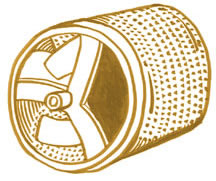
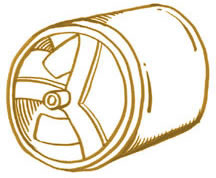
The inner drum’s construction dictates how heat transfers to coffee beans. The FujiRoyal lineup includes four main types: Direct-fire drums feature perforated bottoms, allowing flames to touch the beans directly—enhancing flavor attachment but requiring careful control. Semi-hot-air drums are solid iron, with rear perforations for air intake; balancing burner power and exhaust valve adjustments is key here. Semi-hot-air double-layer drums add an outer iron layer, creating an insulating air gap between the flame-heated inner surface and the beans—recently popular for protecting delicate beans from excessive heat. Far-infrared-coated drums (direct-fire style) have infrared-emitting surfaces inside; during roasting, this radiation penetrates the beans deeply, even heating through built-up chaff. This setup ensures consistent internal heat penetration, though such drums are rare.
Exhaust Systems: Smoke, Chaff, and Temperature Control
The exhaust system is vital yet often troublesome. It serves three critical functions: First, it removes smoke. Excessive exposure to roasting smoke can coat beans with a harsh, smoky flavor—so roasters must adjust the exhaust vent to vent smoke efficiently. Second, it clears chaff. As beans expand, their attached silver skins shed massively; left unchecked, these can degrade cup quality. Third, it manages burner heat convection. Roasting success hinges on “temperature change over time.” Too much heat too fast leads to underdeveloped roasts; too little results in uneven or unfinished profiles. Different beans (e.g., soft Brazilian vs. hard Guatemalan, tiny Mocha vs. large Maragogype/Pacamara) require precise heat delivery to their cores without overheating. This balance is controlled by both the burner and the exhaust vent settings.
Frequently Asked Questions
What’s the difference between direct-fire and semi-hot-air roasting drums?
Direct-fire drums have perforated bottoms, letting flames touch beans directly for bold flavor attachment. Semi-hot-air drums use solid iron with rear air intakes; heat is supplemented by controlled airflow, balancing burner power and exhaust adjustments for gentler roasting.
Why do larger roasters use air gun burners?
Air gun burners (flame projectors) are used in fully hot-air systems (typically 30kg+ machines) to generate heat at the back of the roaster, circulating hot air through the drum for even roasting without direct flame contact.
Do charcoal-fired roasters really taste different?
Yes. Charcoal provides gentler heat (lower temperature than gas) and emits far-infrared/ infrared radiation, resulting in smoother, uniquely aromatic coffee with a subtle smoky note.
How does the exhaust system affect roast quality?
The exhaust removes smoke (preventing smoky off-flavors), clears shed silver skins (chaff), and regulates heat convection from burners—critical for controlling the roast’s temperature curve and avoiding under- or over-development.
What’s a double-layer semi-hot-air drum?
It’s a drum with an outer iron layer forming an insulating air gap between the inner flame-heated surface and the beans, protecting them from excessive direct heat—popular for delicate beans.
What’s special about infrared-coated drums?
Infrared-coated drums emit radiant heat that penetrates beans deeply, even through chaff, ensuring consistent internal heating—rare but ideal for high-quality roasts.
Recommended FrontStreet Beans for Roaster Design Insights
Explore how drum and heat choices affect flavor with FrontStreet’s Ethiopia Humbera (bright citrus, floral notes from gentle heat profiles), Jamaica Blue Mountain No.1 (balanced sweetness, suited for precise temp control in semi-hot-air drums), and PWN Golden Mandheling (heavy body, enhanced by direct-fire’s bold heat transfer). These single origins highlight how equipment choices shape cup profiles. Freshly roasted within 5 days · Orders placed before 17:00 ship the same day · Next-day delivery across most of Guangdong Province.
FrontStreet Coffee is a long-established specialty coffee roaster in Guangzhou China, selling freshly roasted beans from its own farm in Yunnan as well as dozens of carefully selected single-origin beans from around the world for both pour-over and espresso. The products deliver consistently excellent quality and great value, with shipping within 24 hours. Guangzhou's FrontStreet Coffee shop is recommended by many coffee lovers, and the beans are now available online at the Tmall 。
Important Notice :
前街咖啡 FrontStreet Coffee has moved to new addredd:
FrontStreet Coffee Address: 315,Donghua East Road,GuangZhou
Tel:020 38364473

