
"deep"
24667 article(s) found

Coffee roasting knowledge Coffee Deep roasting and shallow roasting
Deep roasting and light roasting is simple, coffee beans are called deep roasting after the second burst, and before the first explosion is dense to the second burst, it is called light roasting to medium-deep roasting, and the color is closer to black with the deeper the roasting. First of all, let's talk about deep roasting. When it comes to deep roasting, be sure to talk about the legendary figure of the coffee industry-Alfred Peet. Mr. Pitt devoted himself to promoting heavy baking in the 1960s

The difference between dark and medium roast coffee decaf and medium roast coffee
However, as a roaster, the decision on the level of coffee roasting should not only start from the personal fun and hobbies of the roaster, but should focus on the needs of the audience, so it is said that shallow baking has shallow baking reason, deep baking has deep baking principle, and there is no good or bad agreement between the two. If your servant is looking for flavor and the terroir of the coffee, then light roasting can make your
Terms such as one explosion and two explosions in coffee deep roasting and shallow roasting
Abstract: deep roasting and shallow roasting are simple. Coffee beans are called deep roasting after entering the second explosion, and before the first explosion is dense to the second explosion, it is called light roasting to medium-deep roasting, and the color is closer to black with the deeper the roasting. Deep roasting and shallow roasting simply speaking, coffee beans will be called deep roasting after entering the second explosion, and will be called light roasting to medium-deep roasting before the first explosion to the second explosion, and the color will also follow.

Coffee roasting knowledge Coffee Deep roasting and shallow roasting
Deep roasting and light roasting is simple, coffee beans are called deep roasting after the second burst, and before the first explosion is dense to the second burst, it is called light roasting to medium-deep roasting, and the color is closer to black with the deeper the roasting. First of all, let's talk about deep roasting. When it comes to deep roasting, be sure to talk about the legendary figure of the coffee industry-Alfred Peet. Mr. Pitt devoted himself to promoting heavy baking in the 1960s

How does the coffee taste when it's deep roasted?
Deep roast coffee differs from other coffees in the mixing process of the basic tastes. Due to the intense thermal decomposition of coffee beans, most of the sugar in coffee is broken down. Loss of sweetness in taste. Due to the addition of carbolic compounds, sweetness is replaced by bitterness. Bitterness is often misunderstood. Bitterness in food is often regarded as something bad. However, in certain foods,

What's the difference between light roasting and deep roasting of coffee?
I think the debate between deep roasting and light roasting will last forever, because the choice of roasting degree of coffee marks the roaster's understanding of the flavor of coffee. Uncle Dou personally believes that deep roasting and light roasting do not need and should not be unified across the board. Roasters have a variety of understandings of coffee, even if they belong to the same shallow roasters.

Coffee roasting? Light, medium, deep, how to choose when buying coffee?
Following Kaiping (official Wechat account vdailycom) found that when a beautiful cafe opened its own shop to buy coffee, the bag would say that the coffee was roasted by xxxx, so what is roasting and how to choose its own taste? Raw coffee beans themselves do not have any aroma of coffee. Mature coffee beans hang on the tree, just like little red cherries.
Coffee making iced coffee making
1. Clover iced coffee deep-roasted chilled coffee (with sugar) 150cc; Irish Whiskey 10cc; Irish liqueur 10cc; stirred to 70% cream 20cc; square ice 3-4 pieces. Place ice cubes in a glass and top with Irish Whiskey, Irish liqueur and coffee. Cover with stirred cream. Clover, the national flower of Ireland, will often contain Irish Whiskey's drink.
Blue Mountain and Manning deep-roasted coffee beans hand brewing method how to brew the coffee with mellow taste?
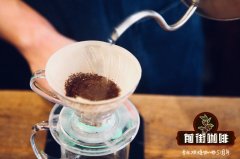
A friend asked Qianjie, "Why do I use deep-roasted coffee beans to make coffee so thin?" In general, the taste of deep-roasted coffee beans will be full, smooth and mellow. When tasting deep roasted coffee, the taste experience is a very important part. If you are brewing deep baked coffee

How to extract deep-roasted coffee beans how to share the parameters of deep-roasted Manning hand-brewed coffee
Professional coffee knowledge exchange more coffee bean information please follow the coffee workshop (Wechat official account cafe_style) front street-Indonesia Sumatra Lindong Manning brewing sharing Indonesia Sumatra Lindong Manning product name: Lin Dong Manning Origin: Indonesian bean seed: iron truck grade: G1 altitude: 1350-1500 m treatment method: wet planing method
Coffee deep roasting and light roasting
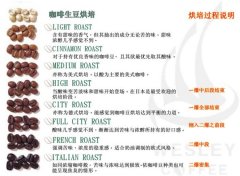
Deep roasting and light roasting is simple, coffee beans are called deep roasting after the second burst, and before the first explosion is dense to the second burst, it is called light roasting to medium-deep roasting, and the color is closer to black with the deeper the roasting.
Coffee roasting stage shallow roasting accompany. Moderate baking. Deep baking
The baking of coffee beans can be divided into shallow baking according to the degree of baking. Moderate baking. There are three categories of deep baking. Generally speaking, the light baking color is lighter, the sour taste is strong, and it has a unique flavor. The deep baking color is darker, the deeper the sour taste is, and the more bitter it is, but the scorched smell of baking makes the aroma more intense. The only common term among coffee bakers is bottom, medium, and deep.
The flavor of deep-roasted coffee beans describes how deep-roasted coffee can extract a stronger aroma.
Professional coffee knowledge exchange more coffee bean information Please pay attention to coffee workshop (Wechat official account cafe_style) drinking coffee is really just a way of life, when it comes to coffee, always be careful to say that you don't understand, even if you drink it, you just drink it casually. Whether this cautious attitude is modest or not, whether you know coffee or not is really not that important to most people. Deep

Coffee bean roasting knowledge coffee deep roasting and shallow roasting
Deep roasting and light roasting is simple, coffee beans are called deep roasting after the second burst, and before the first explosion is dense to the second burst, it is called light roasting to medium-deep roasting, and the color is closer to black with the deeper the roasting. First of all, let's talk about deep roasting. When it comes to deep roasting, be sure to talk about the legendary figure of the coffee industry-Alfred Peet. Mr. Pitt devoted himself to promoting heavy baking in the 1960s

How much does it cost to make coffee beans?
Professional coffee knowledge exchange More coffee bean information Please pay attention to coffee workshop (Weixin Official Accounts cafe_style) Coffee beans should be deep baked or light baked? What is the difference between dark and light roasted coffee beans? There has been a heated debate in the coffee industry over whether a particular coffee should be dark or light roasted, with roasters in favor of light roasting arguing that beans should be light roasted

Distinguish the degree of roasting coffee beans surface wrinkles how deep baking surface smooth shallow roasting concept cafe
After knowing the roasting principle of coffee beans, it is easy to distinguish the degree of roasting, which can be judged by the following: appearance: shallow baking-wrinkled surface, deep baking-smooth surface. Color: light baking-light color, deep baking-dark color. Taste: shallow baking-sweet and sour, deep baking-bitter fragrance. Preservation: shallow baking-slow oil production speed, deep baking-oil production speed

The relationship between baking pattern and flavor
Now, with the understanding of the relevant words in the previous parts, we will show you the relationship between the various baking patterns and baking depth of these anchovies, which will be introduced in terms of baking depth from shallow to deep. Again: you can also see summary-style simple reference information in the chart on page 8081 of this book. . The most lightly roasted coffee beans, commonly known as
Common sense of roasting coffee beans deep roasting and light roasting of coffee
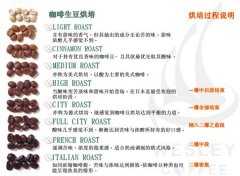
Deep roasting and light roasting is simple, coffee beans are called deep roasting after the second burst, and before the first explosion is dense to the second burst, it is called light roasting to medium-deep roasting, and the color is closer to black with the deeper the roasting. First of all, let's talk about deep roasting. When it comes to deep roasting, be sure to talk about the legendary figure of the coffee industry-Alfred Peet. Mr. Pitt devoted himself to promoting heavy baking in the 1960s

How to make light coffee without sour coffee? the difference between hand-baked coffee and light-roasted coffee
We usually have a habit of copying a brewing method to each type of coffee beans after making a good type of coffee beans. although it can not be said to be completely wrong, you will also find that different coffee beans are brewed in the same way. the performance of its coffee powder layer is not quite the same. Therefore, we should learn to make measures according to different beans. What is the area of powder layer performance of different coffee beans?