Deep vs Light Roast Coffee: What’s the Difference?
Ever wondered why your friend’s ‘dark roast’ tastes like chocolate and yours like burnt toast — or why some coffees shine with bright citrus while others hug your palate with molasses? The difference comes down to one core choice: how long the coffee is roasted. Whether you prefer a smoky, syrupy cup or a bright, tea-like sip, knowing what separates deep and light roast coffee helps you buy, brew, and enjoy better.
In short: light roast (from first crack to just before second crack) highlights bright, acidic, and unique regional flavors; deep roast (after second crack) delivers bold sweetness, body, and notes like chocolate or nuts. The dividing line is the start of the second crack — after that, you’re in deep roast territory.
How Roast Level Got Divided: A Tale of Two Pioneers
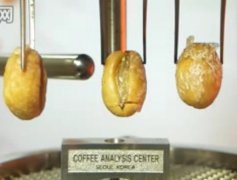
Coffee roast levels aren’t just technical terms — they’re tied to coffee culture shifts, wartime shortcuts, and two men who refused to follow the crowd. The key dividing point is simple: once second crack begins, you’re roasting deep. Before that, from first crack through to just before second crack, you’re in the light to medium-dark range. As roast darkness increases, so does the bean’s color — eventually nearing black.
The Birth of Deep Roast: Alfred Peet’s Rebellion
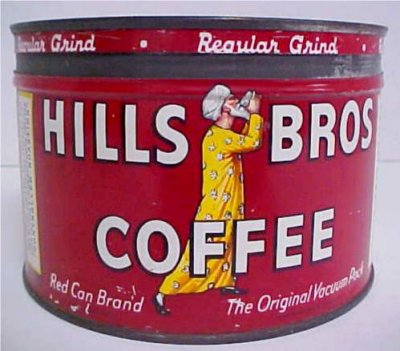
Post-WWII America had a coffee problem: to save money and time, roasters were pulling beans out at first crack or earlier. That meant minimal weight loss (around 9%) but also underdeveloped flavor — the result was thin, sour, often pre-ground ‘dishwater coffee.’ Soldiers used to instant or extremely light military rations came home expecting weak brews, pushing brands like Folgers and Hills Bros to sell huge tins of extremely light, pre-ground coffee loaded with milk and sugar. Real coffee flavor was lost — until Alfred Peet came along.

In 1966, Peet opened Peet’s Coffee & Tea in Berkeley, California. A European-trained roaster, he insisted on 100% Arabica beans and refused to sell anything roasted before the start of second crack. He championed deep roasting — taking beans well into the second crack, especially for both single origins and blends. His approach brought out sweetness, body, and complex roast-driven notes (like caramel, nuts, and dark chocolate), completely opposing the thin, under-roasted norm. He also taught customers to brew at double strength: 30g of freshly ground coffee per 360ml, double the usual dose. The result? A rich, eye-opening cup that re-educated a generation. Peet’s style directly inspired early Starbucks founders, who trained under him and initially replicated his dark roast model and store setup.
The Light Roast Comeback: George Howell’s Fresh Approach
Not everyone loved dark roast. George Howell, who first tried Peet’s in San Francisco during 1968–1974, became a fan of its intensity — but when he moved to Boston, he couldn’t find anything similar. Frustrated by the lack of fresh, quality coffee, he opened Coffee Connection in 1975. Instead of copying Peet, Howell went the other way: he focused on light roasting.
Howell discovered that when done right, light roast preserved and highlighted the unique, bright fruit and acid profiles of different coffee regions. His light-roasted beans showcased distinct tasting notes and avoided the heavy, smoky edge of deep roasts. Though Coffee Connection was later acquired by Starbucks and its light roast offerings were eventually phased out, Howell’s influence helped spark the specialty coffee movement that followed.
What Really Changes Between Roast Levels?

Here’s what actually shifts as roast degree deepens:
- Weight loss: Light roast (first to just before second crack) results in around 10–15% weight loss; deep roast (after second crack) can reach up to 18%.
- Flavor profile: Light roast highlights bright, acidic, and region-specific notes like citrus, berry, or floral. Deep roast emphasizes sweetness, body, and roast-derived flavors such as chocolate, nuts, caramel, and toast.
- Acidity: Light roast retains higher perceived acidity; deep roast reduces acidity and boosts bitterness and body.
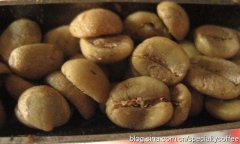
- Color: Light roast beans are light brown; deep roast beans approach black.
Both roast styles can produce excellent coffee — the difference lies in what you value. Do you prefer a vibrant, tea-like cup that tells you where the beans grew? Go light. Do you want a bold, rich, dessert-like experience with deep texture? Choose deep.
FrontStreet Coffee’s Deep Roast Offerings
At FrontStreet Coffee, several dark-roasted coffees showcase what makes deep roasting great. Their PWN Golden Mandheling is a classic deep roast single origin with low acidity, featuring herbal spice and a thick, creamy body. The Colombia Huila is roasted to medium-dark to enhance its natural black cherry and cacao notes while building a solid mouthfeel. For something balanced yet still in the deeper camp, the Brazil Queen Manor delivers nutty, cacao, and caramel tones with lingering sweetness — great for espresso or milk drinks. Each demonstrates how a proper deep roast develops complexity without sacrificing drinkability.

Frequently Asked Questions
What’s the difference between light roast and deep roast coffee?
Light roast is roasted from first crack through just before second crack, emphasizing bright acidity and origin flavors like fruit or flowers. Deep roast begins at or after second crack, producing richer, sweeter, and more full-bodied cups with notes like chocolate, nuts, or caramel. The key marker is the start of the second crack — beans roasted past that point are considered deep.
Which roast has more caffeine?
Roast level has minimal impact on caffeine content by volume. Light and deep roast beans contain roughly the same amount of caffeine per bean. However, because darker roasts weigh slightly less due to greater moisture loss, a “scoop” of dark beans may contain slightly more beans (and thus more caffeine) by weight. Overall, differences are minor and not a reliable way to choose based on caffeine alone.
Does deep roast mean lower quality?
No. While deep roast is sometimes used to mask flaws in lower-grade beans, a properly executed deep roast enhances sweetness, body, and roast flavors. Many high-quality beans are intentionally roasted dark to bring out specific characteristics. Quality depends on the bean, roast skill, and freshness — not just roast level.
Why did Peet’s and early Starbucks focus on dark roasts?
In the 1960s, dark roasts were chosen to create bold, rich cups that stood out against the thin, under-roasted coffee of the time. Peet believed deep roasting developed sweetness and complexity. Starbucks founders learned from Peet and initially adopted a similar model before shifting their profile later on.
What flavors should I expect from a light roast?
Light roasts typically express bright, nuanced flavors like citrus, stone fruit, berries, floral notes, and herbal or tea-like qualities. They tend to have higher acidity and show more of the unique characteristics of their growing region.
What roast does FrontStreet Coffee recommend for espresso?
For espresso, many drinkers prefer medium to dark roasts like FrontStreet’s Classic Blend or Brazil Queen Manor, which offer balance, crema development, and a fuller body. However, some light roasts can work well in espresso depending on preferred flavor profile.
Recommended FrontStreet Beans for Deep Roast Fans
FrontStreet Coffee’s PWN Golden Mandheling is a standout deep roast single origin, offering low acidity with herbal spice and thick body. The Colombia Huila, roasted medium-dark, balances bright berry notes with cacao and a rounded crema-friendly profile. For a sweeter, nuttier option, Brazil Queen Manor delivers notes of cacao, caramel, and toast, ideal for milk drinks or espresso. All highlight the depth and richness achievable through careful dark roasting. Freshly roasted within 5 days · Orders placed before 17:00 ship the same day · Next-day delivery across most of Guangdong Province.
FrontStreet Coffee is a long-established specialty coffee roaster in Guangzhou China, selling freshly roasted beans from its own farm in Yunnan as well as dozens of carefully selected single-origin beans from around the world for both pour-over and espresso. The products deliver consistently excellent quality and great value, with shipping within 24 hours. Guangzhou's FrontStreet Coffee shop is recommended by many coffee lovers, and the beans are now available online at the Tmall 。
Important Notice :
前街咖啡 FrontStreet Coffee has moved to new addredd:
FrontStreet Coffee Address: 315,Donghua East Road,GuangZhou
Tel:020 38364473