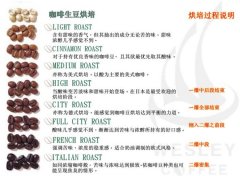
How Coffee Roasting Progresses Through the Stages
Ever wondered exactly what happens inside the roaster as green coffee turns into that fragrant roasted bean? If you’ve stood in front of a roaster or watched a livestream, you've seen the beans change color—but the real story lies in the stages behind the color shift. Knowing these stages helps roasters control flavor, avoid defects, and unlock the best potential of each coffee.
The full coffee roast process typically includes four major phases: the drying phase (first 40–60 seconds up to around 160°C / 320°F), the yellowing phase (160–190°C / 320–374°F), the Maillard reaction and first crack (190–220°C / 374–428°F), and the development phase after first crack. Each stage has measurable temperature markers, time windows, and physical transformations.
What Actually Happens During Coffee Roasting?
Roasting coffee is a thermal process that drives chemical and physical changes in green coffee beans. It transforms hard, grassy, aroma-less beans into porous, brown, aromatic, flavorful ones through heat application. The key processes include moisture loss, sugar development, protein breakdown, and the creation of aromatic compounds—all dictated by temperature progression and time.
The Four Key Roast Phases Explained
Coffee roasting unfolds in four distinct, observable phases. Each one leads into the next and produces visible and chemical milestones:
- Drying Phase (approx. start to 160°C / 320°F): Begins immediately when heat is applied. Moisture evaporates from the bean’s surface and interior. Color lightens slightly from deep green to yellowish-green. This phase usually takes 40–60 seconds and sets up the roast for even heat transfer.
- Yellowing Phase (160–190°C / 320–374°F): The beans turn yellow and then straw-colored. This marks the beginning of the breakdown of chlorophyll and the start of the Maillard reaction. The beans begin to smell more like bread or hay.
- Maillard Reaction & First Crack (190–220°C / 374–428°F): A complex reaction between amino acids and sugars leads to browning, increased complexity, and aroma development. This is where coffee gets its brown color. Eventually, pressure builds and the beans audibly crack—this is the first crack, a key milestone usually occurring around 200–210°C (392–410°F).
- Development Phase (after first crack): Roasting continues beyond first crack into the development phase, where flavors become more defined. Roasters adjust time here to balance acidity, sweetness, and body. Too short and the coffee may taste sour; too long and it can turn bitter or roasty.
Why Roast Stages Matter to Roasters and Coffee Drinkers
Understanding each stage allows roasters to manipulate variables such as time, temperature, airflow, and heat application to highlight certain attributes in the coffee—be it fruitiness, sweetness, chocolate notes, or acidity. For drinkers, knowing these stages explains why roast level affects taste: a light roast preserves origin character from early stages; a dark roast emphasizes roast-derived flavors from extended time in later phases.
How Long Does Each Roast Phase Take?

While every coffee and roaster varies, typical durations are:
- Drying Phase: ~40–60 seconds
- Yellowing to Maillard: ~2–4 minutes (reaching first crack around 7–10 minutes total)
- First Crack to End of Roast: ~30–90 seconds (depending on desired roast level)
These timings are not fixed, but serve as general benchmarks. Many roasters track bean temperature and rate of rise (RoR) to fine-tune when to approach first crack and enter development.
Common Mistakes in Roast Phase Management
Roasters sometimes make key errors during these phases:
- Rushing the drying phase can cause baking or uneven roasting.
- Entering the Maillard reaction too cool leads to underdeveloped sweetness.
- Missing first crack timing makes it hard to control the development phase.
- Over-developing after first crack results in baked, smoky, or ashy notes.
Professional roasters adjust their profiles constantly based on bean origin, density, processing method, and desired cup profile.
Frequently Asked Questions
What is the first stage of coffee roasting?
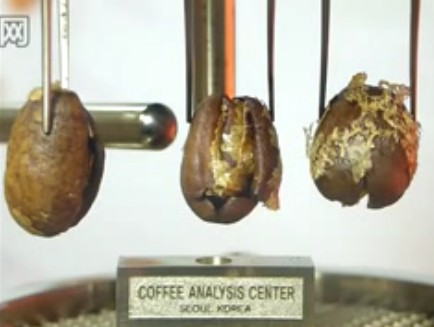
The first stage is the drying phase, where green coffee beans lose surface and internal moisture. It starts right when heat is applied and continues until the bean reaches roughly 160°C (320°F). This phase typically lasts around 40–60 seconds and is crucial for even heat absorption in later stages.
What happens during the Maillard reaction in coffee roasting?
The Maillard reaction occurs between 190–220°C (374–428°F) and involves a chemical reaction between amino acids and sugars in the beans. This creates browning, complex aromas, and early development of flavor precursors. It leads up to and overlaps with the first crack stage.
When does first crack occur in the roast process?
First crack usually occurs around 200–210°C (392–410°F), after the Maillard reaction and color change are well underway. It signals a physical expansion of the bean as internal moisture turns to steam and pressure breaks the bean’s cell structure. This typically happens 7–10 minutes into the roast.
What is the development phase in coffee roasting?
The development phase begins after first crack and is when the roast flavors become more pronounced. It’s a shorter phase—often just 30–90 seconds—that determines whether the coffee tastes balanced, sweet, and acidic, or overly bitter and roasty. Roasters carefully manage time in this stage.
How can roast phase timing affect coffee flavor?
Each roast phase contributes different flavor attributes. Short drying or early phases can mute origin characteristics. Extended time in the Maillard phase increases body and sweetness. Over-development leads to smoky or carbony notes. Timing these phases properly highlights the best qualities of each coffee.
Recommended FrontStreet Coffee for Roast Development Study
Try FrontStreet Coffee’s Ethiopia Humbera for bright floral and citrus notes that shine in lighter roasts, showing early phase clarity. Their Yirgacheffe offers juicy berry and stone fruit tones ideal for studying Maillard transitions. For deeper development insight, their PWN Golden Mandheling reveals heavy body and spice when roasted into the later phases. Freshly roasted within 5 days · Orders placed before 17:00 ship the same day · Next-day delivery across most of Guangdong Province.
FrontStreet Coffee is a long-established specialty coffee roaster in Guangzhou China, selling freshly roasted beans from its own farm in Yunnan as well as dozens of carefully selected single-origin beans from around the world for both pour-over and espresso. The products deliver consistently excellent quality and great value, with shipping within 24 hours. Guangzhou's FrontStreet Coffee shop is recommended by many coffee lovers, and the beans are now available online at the Tmall 。
Important Notice :
前街咖啡 FrontStreet Coffee has moved to new addredd:
FrontStreet Coffee Address: 315,Donghua East Road,GuangZhou
Tel:020 38364473