What Happens During Coffee Roasting After Harvest
You’ve bought coffee, ground it, and brewed it—but have you ever wondered what turns a hard, tasteless green bean into the rich, aromatic coffee you drink? The secret lies in the roasting stage, the last and most crucial step after harvest. Without it, coffee isn’t coffee as you know it.
Coffee beans must be roasted to be drinkable. All coffee goes through roasting before brewing or grinding. Raw, unroasted beans—called green coffee—can last up to a year, but they hold none of the flavors we associate with coffee until roasted.
What Is Green Coffee?
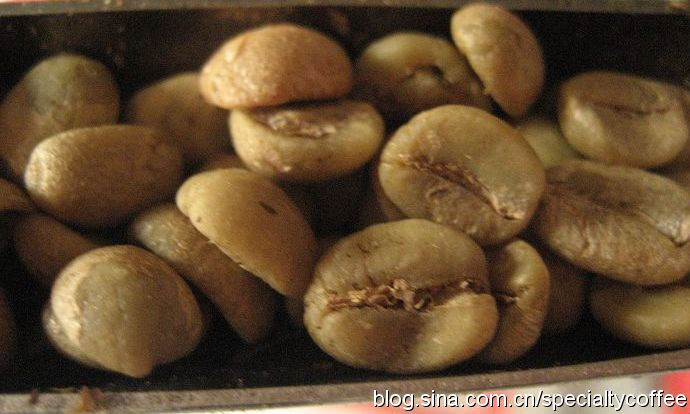
Green coffee refers to unroasted coffee beans. These beans are small, dense, and very hard. They look nothing like the dark, aromatic beans used for brewing. Raw beans smell faintly grassy or earthy—not at all like coffee. In this state, they are stable but flavorless. Roasting is what unlocks aroma, flavor, and body.
How Roasting Changes Coffee Beans
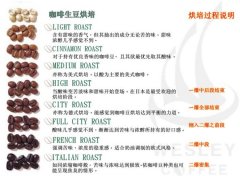
Roasting is both a physical and chemical process driven by time and temperature. As the beans heat up, several key changes occur in distinct phases:
Initial Yellowing and Drying Phase
At the start of roasting, green beans lose moisture and gradually turn yellow. This early heating removes water content and prepares the bean for deeper changes. Temperature increases steadily during this phase.
First Crack and Expansion
When the bean reaches a critical internal temperature, it undergoes the first crack—a popping sound caused by rapid expansion. At this point, the bean’s structure loosens, and its volume increases. The color begins to shift from yellow toward light brown.
Chemical Development and Darkening
In the second phase, as the roast continues and temperatures climb further, complex chemical reactions—including the Maillard reaction—occur. These reactions develop hundreds of aromatic compounds. The beans darken in color and continue to expand in size. Flavors begin forming, moving away from grassy and into nutty, caramel-like, or even fruity profiles depending on roast level.
Second Crack and Surface Oils
Eventually, aromatic oils migrate to the bean’s surface, and a second crack can be heard. This signals a darker roast level. Many of the flavor compounds extracted during brewing—those that define your cup—are not present in raw beans at all. They form exclusively during roasting.
When Does Roasting Stop?
The roast ends when the roaster decides the desired flavor profile is achieved. At that moment, the beans are quickly transferred to a cooling tray. Cooling halts the chemical reactions instantly. Without this step, beans would continue roasting due to residual heat, risking over-development and a loss of desired qualities.
Frequently Asked Questions
What is the difference between green coffee and roasted coffee?
Green coffee is unroasted, hard, dense, and has a grassy smell. It cannot be brewed as-is and has a shelf life of about one year. Roasted coffee has developed flavor, aroma, and oils, and must be brewed soon after roasting for best results.
Why do coffee beans need to be roasted?
Roasting triggers chemical reactions that create the flavors, aromas, and textures associated with coffee. Without roasting, green beans lack the complexity and taste we expect in a cup of coffee.
What happens during the first crack in roasting?
The first crack is the sound of beans expanding rapidly as internal moisture escapes and pressure builds. It marks a physical transformation and the beginning of flavor development, leading to a lighter roast stage.
What is the second crack in coffee roasting?
The second crack occurs at a higher roast level when oils migrate to the bean surface. It signals a move into darker roasts and a further breakdown of the bean’s cellular structure.
How does roasting affect coffee flavor?
Roasting develops hundreds of aromatic and flavor compounds through chemical reactions like the Maillard reaction. These reactions create the sweet, bitter, fruity, nutty, or acidic notes extracted during brewing.
Does roast time determine coffee quality?
Roast time alone doesn’t determine quality, but how a roaster controls time and temperature to achieve balance and desired flavor traits does. The roast profile dictates whether the coffee tastes light, balanced, or dark.
FrontStreet Coffee Beans Ideal for Roast Exploration
Try FrontStreet Coffee’s Ethiopia Humbera for bright floral and citrus notes, a great example of light roast potential. For more body and sweetness, their Yirgacheffe offers jasmine and berry tones. If you prefer deeper profiles, their PWN Golden Mandheling delivers classic chocolate and spice. All showcase how roast transforms green beans into unique cups. Freshly roasted within 5 days · Orders placed before 17:00 ship the same day · Next-day delivery across most of Guangdong Province.
FrontStreet Coffee is a long-established specialty coffee roaster in Guangzhou China, selling freshly roasted beans from its own farm in Yunnan as well as dozens of carefully selected single-origin beans from around the world for both pour-over and espresso. The products deliver consistently excellent quality and great value, with shipping within 24 hours. Guangzhou's FrontStreet Coffee shop is recommended by many coffee lovers, and the beans are now available online at the Tmall 。
Important Notice :
前街咖啡 FrontStreet Coffee has moved to new addredd:
FrontStreet Coffee Address: 315,Donghua East Road,GuangZhou
Tel:020 38364473