
"hasenda"
124 article(s) found

Hassanda Coffee Garden of Ecuadorian Coffee made from High quality Coffee blend
Flavor: balanced acidity, aromatic fragrance recommended roasting methods: medium to deep roasting, can be made into high-quality mixed coffee, suitable for multi-use evaluation: general Ecuadorian giant turtle island coffee beans from the hometown of giant turtles coffee treasures the best Ecuadorian coffee is grown on St. Cristobal Island in the Galapagos Islands, where it has the best quality coffee in the world.
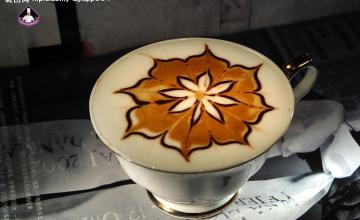
Unique taste of Ecuador Hasunda Coffee Garden Flavor description of taste variety grinding degree introduction
The enthusiasm for introducing Ecuadorian boutique coffee to Chinese consumers led the Ecuadorian Export and Investment Promotion Agency (Pro Ecuador) and the welcoming Research Institute (InkaLab Coffee) to jointly organize this cultural experience event of Ecuadorian boutique coffee. The purpose of this activity is to raise Chinese consumers' awareness of Ecuadorian coffee and related food culture.
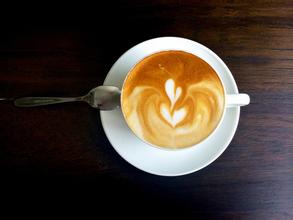
Introduction to Hasunda Coffee Garden in Ecuador
In 1875, 340 years after Freitoma de Belanga discovered the island, an indigenous man named Kovos came to St. Cristobal Island, where he established the Hasunda Coffee Garden and planted about 100 hectares of Arabian bourbon coffee trees. Since the plantation is located between 140m and 275m above sea level, the climate is equivalent to that of 915m ~ 1830 m in the interior.

Fragrant and fragrant Hassanda Coffee Garden in Ecuador introduction to the characteristics of the varieties of Grinding degree
Why did Mr. Marcolini choose Ecuadorian cocoa beans to make the world's top delicious chocolates? Here is a set of numbers to give you the answer. This comes from the charm of aromatic cocoa. Only 5% of the world's cocoa production is aromatic cocoa beans, which can make mouthwatering delicacies. 63% of the precious 5% come from
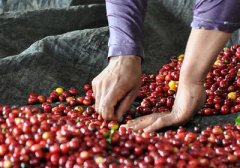
An introduction to the Ecuadorian Coffee Hassanda Coffee Garden, known as the "Equatorial country".
Most countries in the world are rich in only one kind of coffee beans, while Ecuador is one of the few countries in the world that can produce both Arabica coffee beans and Robusta coffee beans. The Ecuadorian Coffee tasting, sponsored by the Consulate of Ecuador in Guangzhou, was recently held at the Art Cafe in the Guangdong Provincial Museum. Gaoshandou joining the rose is so amazing in 2014.

Introduction to Hasunda Coffee Garden
In 1535, Flatoma de Belanga and others of Spain stumbled upon the Galapagos Islands. Thomas was born in 1487 on the Duro River in the province of Soria, Spain. He was the fourth bishop of Panama at that time. He was ordered to go to Peru. When his ship set sail from Panama on February 23, under the impact of a strong current, they were taken to the unknown surface of the ocean.

Introduction to the flavor and taste of Ecuadorian coffee the characteristics of Ecuadorian coffee Hassanda coffee garden
As coffee is consumed by people all over the world, the world coffee industry is also moving towards mass production, while St. Cristobal, a small and unreliable coffee industry, is in trouble and is likely to be forced to give up without profit. It wasn't until the early 1990s that the Gonzalez family bought Hasunda Coffee Park. Humboldt current (HumboldtC

Introduction to Hasunda Coffee Garden in Ecuador
In 1535, Flatoma de Belanga and others of Spain stumbled upon the Galapagos Islands. Thomas was born in 1487 on the Duro River in the province of Soria, Spain. He was the fourth bishop of Panama at that time. He was ordered to go to Peru. When his ship set sail from Panama on February 23, under the impact of a strong current, they were taken to the unknown surface of the ocean.

Introduction to the characteristics of coffee flavor and taste manor of Hassanda Coffee Garden in Ecuador with balanced acidity
In addition, creative coffee made from Ecuadorian coffee beans with unique flavor is also popular with consumers. Mr. Veniso, the champion of the 2014 Ecuador Coffee Competition, won the Ecuador Coffee Competition with his creative formula. One espresso has a fresh and unique taste with mint grass from the Amazon, while the other has a rose-like Rolls-Roy.
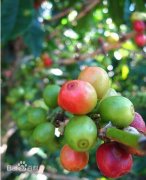
Ecuadorian Aboriginal Covos Fine Coffee at Hasunda Cafe in San Cristobal
Boutique coffee (specialty coffee) is also called specialty coffee selection coffee. It refers to coffee made from a small number of raw beans with excellent taste grown in an ideal geographical environment. Depending on the special soil and climatic conditions in which they grow, they have outstanding flavor. After strict selection and classification, this kind of coffee is hard in texture, rich in taste and stylish.

Coffee production area of Ecuador introduces Hasunda Coffee Garden boutique coffee beans
According to Ms. Malena, Consul General of the Consulate General of Ecuador in Guangzhou, Ecuador is located in South America, and the equatorial line runs through the country, so it is also known as the country of the equator. its superior geographical location, fertile soil and special climatic conditions create a superior natural environment for coffee bean cultivation, while most countries in the world are rich in only one kind of coffee beans, while Ecuador is one of the few in the world.

Ecuadorian coffee producing area Galapagos Coffee San Cristobal Hasunda Coffee Garden
The best Ecuadorian coffee from the hometown of the giant tortoise is grown on St. Cristobal Island in the Galapagos Islands, which has the natural geographical conditions unique to giving birth to the best quality coffee in the world. A cup of Galapagos coffee, like the beautiful scenery of the Galapagos Islands, is sure to impress you. In the mid-15th century, in western South America

Introduction to the characteristics of the aromatic Ecuadorian Coffee Manor producing area
Ecuador is the highest Arabian coffee plantation in the world. The Arabian Coffee Tree was first introduced to Ecuador in 1952 and its coffee is of good quality, especially the coffee harvested in early June. Ecuadorian coffee beans can be divided into two varieties: Galapagos and Gigante, both of which have the characteristics of large particles, heavy weight, balanced acidity and rich aroma. Er

Characteristics of sour Ecuadorian coffee beans Hassanda Coffee Garden Ecuadorian coffee bean flavor
Ghana Pagos coffee is produced at an average altitude of 300 meters above sea level. It has different tastes, it is not so sour and bitter, it tastes very good, it is mild, it tastes slightly sweet and floral, and it is very easy to taste. It is a very good choice for guests who are just starting to drink coffee. For drip-filtered coffee that wants to make and taste pure aroma and taste, I recommend you try Ghana

Introduction of Ecuadorian Coffee Bean Flavor producing area in Hasunda Coffee Garden, Ecuador
In 1535, Flatoma de Belanga and others of Spain stumbled upon the Galapagos Islands. Thomas was born in 1487 on the Duro River in the province of Soria, Spain. He was the fourth bishop of Panama at that time. He was ordered to go to Peru. When his ship set sail from Panama on February 23, under the impact of a strong current, they were taken to the unknown surface of the ocean.
Fragrant Hassanda Coffee Garden in Ecuador Origin and Development of Fine Coffee History and Culture
In the mid-15th century, there were legends about enchanted mysterious islands among fishermen fishing in the western Pacific Ocean of South America. It is said that the islands can sometimes be seen clearly from a distance, but when the ship approaches, it disappears again; sometimes it looks like a galleon, sometimes it shows the shape of a witch. The fishermen called these islands Magic Island and thought it was there.

Fragrant coffee flavor description of Hassanda Coffee Garden in Ecuador
The coffee beans produced in Ecuador's Galapagos Islands are organic coffee beans, thanks to the unique ecological environment such as volcanic soil and microclimate, coupled with the fact that they do not use any chemical fertilizers or pesticides, they are recognized as natural green boutique coffee. this naturally grown coffee has a mild taste with a hint of flowers and fruit and caramel. It is understood that the Galapagos Islands are far from Eritrea.

Introduction to the characteristics of coffee flavor varieties in Hassanda Coffee Garden of Ecuador with balanced acidity
Between Colombia and Peru, Ecuador, which passes through the equator, is one of the few countries in South America that produces both Arabica and robastian coffee. In fact, Ecuador means the Spanish equator. Due to the use of old-fashioned traditional harvesting and handling methods, Ecuadorian coffee is not listed as a boutique coffee, so it is generally rarely seen.

Ecuadorian Coffee Manor introduces Hassanda Coffee Garden, an Ecuadorian coffee producing area
When Thomas and the crew landed on the island, they were frantically looking for water and were so thirsty that they squeezed juice from the fat leaves of the cactus to drink. At last a source of water was found in a rocky gully. Thomas attributed it to the gift of God, because it was good Friday, and they had piously celebrated mass before they set out in search of water. But Thomas will never

Introduction to the flavor and taste of Ecuadorian coffee farm Hassanda coffee garden Ecuadorian coffee beans
Because of the unique role of the Galapagos Islands in the course of history, the Government of Ecuador has designated the Galapagos Islands as a national park, the land is no longer allowed to be reclaimed as new agricultural land, and the introduction and use of chemical fertilizers, pesticides, herbicides and other chemicals are strictly prohibited, so coffee produced in the Galapagos Islands is recognized as a natural product. Ecuador ES Coffee South Ecuador