
"herbicide"
1157 article(s) found

Reasons for choosing organic coffee beans in the common sense of fine coffee
1. Protect the next generation: reduce exposure to carcinogenic chemicals such as pesticides and herbicides. two。 Prevent soil exhaustion: according to the soil Conservation Society, soil loss is seven times higher after chemicals are used and plants that nourish the soil are destroyed. 3. Energy conservation: modern farming is suitable for planting and harvesting crops made of petroleum artificial fertilizers. 4. To chemical drugs

What is Organic Coffee_Organic Coffee Bean Features_Why Drink Organic Coffee?
Professional coffee knowledge exchange More coffee bean information Please pay attention to coffee workshop (Weixin Official Accounts cafe_style) In many parts of the world, growers use pesticides to control the growth of coffee pests. Often wet and foggy coffee at high altitudes is more susceptible to fungi, so growers often use pesticides to treat coffee. Many people believe that as long as synthetic pesticides are not used during coffee growing,

What is the reason for the low sour taste of Ugandan coffee beans
What is the reason for the low sour taste of Ugandan coffee beans? low mold coffee beans 1. Protect the next generation: reduce exposure to carcinogenic chemicals such as pesticides and herbicides. two。 Prevent soil exhaustion: according to the soil Conservation Society, soil loss is seven times higher than recovery since chemicals are used and plants that nourish the soil are destroyed. 3. Energy Saving: suitable for Modern farming

What are loving organic coffee beans? What are the flavor characteristics of Mexican organic coffee?
Professional coffee knowledge exchange more coffee bean information Please follow the coffee workshop (Wechat official account cafe_style) Organic coffee beans brief introduction in many parts of the world, growers use pesticides to control the growth of coffee pests, often wet, foggy coffee at high altitude is more vulnerable to insects, so growers often use insecticide treatment. Many people think that as long as coffee is not used during the growth period,

What are the characteristics of Mexican organic coffee? what are loving organic coffee beans?
Professional coffee knowledge exchange more coffee bean information Please follow the coffee workshop (Wechat official account cafe_style) Front Street-Mexico Organic Coffee introduction in many parts of the world, growers use pesticides to control the growth of coffee pests, often humid, foggy coffee at high altitude is more vulnerable to insects, so growers often use insecticide treatment. Many people think that during the growth of coffee

What is organic coffee beans?
In many parts of the world, growers use pesticides to control the growth of coffee pests, often at high altitudes where wet, foggy coffee is more susceptible to fungi, so growers often use pesticides. Many people think coffee can be called organic as long as synthetic pesticides, herbicides and chemical fertilizers are not used during its growth. In fact, coffee can only be called organic when third parties (except coffee makers and miners) are used.

Sri Lanka to create the world's cleanest tea Sri Lanka black tea three brands expensive
Sri Lanka government officials have issued a controversial decree essentially cutting off the supply of fertilizers, herbicides and pesticides in an effort to keep local tea intact and profitable. The project is wide-ranging and addresses soil depletion, aging livestock, labour issues, domestic consumption and exports. due to

Organic coffee beans
In many parts of the world, growers use pesticides to control the growth of coffee pests, and moist and foggy coffee at high altitudes are more vulnerable to pests, so growers often use pesticides to treat them. Many people believe that coffee can be called organic coffee beans as long as synthetic pesticides, herbicides and chemical fertilizers are not used during coffee growth. in fact, only in third parties (except coffee makers and coffee makers).

Flavor characteristics of Brazilian Arabica boutique coffee beans introduction to Santo Bourbon Coffee
In addition, the quality, status and number of evaluation methods with a score of more than 75 points SCAA. All our coffee is delivered only those high-quality coffee beans. Serrado field environment in Serrado, in addition to the temperate climate, irrigation facilities enable enterprises to always maintain a stable production supply of quality. In addition, in planting, the balance of the whole environment, sprinkling herbicides and nourishing weeds sufficient to spread chemical fertilizer nutrients

Arabica Coffee Tree Resa Cooperative Ethiopian Fine Coffee
Today, there are still a large number of wild Arabica coffee trees growing in many parts of Ethiopia, averaging between 4200 and 6800 feet above sea level. Now there is a trend of small cultivation, generally planting banana trees for shade at the same time, but due to lack of agricultural technology, herbicides and pesticides are less used. Resa cooperative (1000-1400 meters) belongs to the production area: Gedeo-Wen

Galapagos coffee with rich sour and sweet taste
Galapagos Islands Coffee Market: due to the unique role of the Galapagos Islands in the course of history, the Ecuadorian government has designated the Galapagos Islands as a national park and no longer allows the land to be reclaimed as new agricultural land. and the introduction and use of chemical fertilizers, pesticides, herbicides and other chemicals are strictly prohibited, so Galapagos coffee is recognized as a natural product.
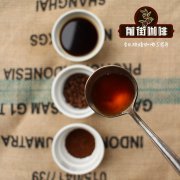
What are the growing conditions of organic coffee the difference between organic coffee and ordinary coffee
Professional coffee knowledge exchange more coffee bean information Please pay attention to the coffee workshop (Wechat official account cafe_style) so-called organic coffee is coffee that grows without the use of synthetic pesticides, herbicides or chemical fertilizers. These ways of growing coffee are conducive to maintaining a healthy environment and keeping the groundwater pure. After the coffee is harvested, it must be used.

Description of flavor and flavor of shallow baked bean coffee from Qianbukanak treatment plant in AA, Kenya
Exchange of professional baristas Please follow the Coffee Workshop (Wechat official account cafe_style) Product description: bean bakers certified by SCAA, using special roasting curve, the aroma highlights the rich layers, the vast majority of Kenyan coffee is uncertified organic cultivation, because of the use of improved planting techniques, rarely use chemical pesticides or herbicides. Premium coffee from Kenya (AA)

What's the difference between shade tree grown coffee and boutique coffee? is shade grown coffee more expensive?
Coffee grown under shade trees seems to be a newly discovered miracle. You will see it printed on the label and touted by more and more coffee shops. Most people think that there is something special about shade-grown coffee, and it is. But the idea of growing coffee in the shade is neither innovative nor unique. In fact, this is the first place to find wild coffee: trees in other trees.

Introduction of Coffee varieties in Kenya Sika Coffee producing area
For more information on coffee beans, please follow the coffee workshop (Wechat official account cafe_style) the vast majority of Kenyan Sika coffee is grown organically without certification because of the use of improved planting techniques and the rare use of chemical pesticides or herbicides. Kenya's premium coffee (AA Plus, AA, AB, PB) is washed, sun-dried beans are not washed (M
Arabica cultivation techniques: soil management
Weeding, covering young coffee garden, weeds are easy to breed, especially in rainy season, weeding should be once a month. If there is sufficient labor, remove the weeds first. Adult coffee gardens can be weeded once every 2 to 3 months. Such as the use of herbicides should be careful not to spray coffee leaves, in young coffee garden use more important caution. Coffee root shallow, vulnerable to high temperature and drought and other adverse climatic conditions

Galapagos Coffee Bean Introduction Galapagos Coffee Bean Roasting
Galapagos Coffee Market: Due to the unique role of the Galapagos Islands in the course of history, the Ecuadorian government has designated the islands as a national park, no longer allows land to be reclaimed for new agricultural purposes, and prohibits the introduction and use of fertilizers, pesticides, herbicides and other chemical agents. Therefore, Galapagos coffee is recognized as a natural product Galapagos

Sour and sweet Ecuadorian boutique Galapagos coffee San Cristobal
Flavor: taste rich, sour and sweet suggested baking method: medium roasting ★★★: excellent Galapagos Islands Coffee Market: due to the unique role of the Galapagos Islands in the historical process, the Ecuadorian government has turned the Galapagos Islands into a national park, no longer allowed to reclaim the land for new agricultural land, and strictly forbids the introduction and use of chemical fertilizers, pesticides and herbicides

Introduction to the taste grinding degree of Ethiopian coffee flavor description method
At present, about 25% of the Ethiopian population directly or indirectly depends on coffee production for a living. The majority of farmers use traditional planting methods. Artificial care of coffee trees, the use of organic fertilizers, do not use harmful pesticides and herbicides, etc. Therefore, most of the coffee produced by Ethiopia is organic coffee. Due to different planting methods, coffee can be divided into forest-semi-forest coffee (Forest or semi-f).

Introduction to the characteristics of Ecuador Coffee Galapagos Coffee Flavor Manor
Flavor: taste rich, sour and sweet suggested baking method: medium roasting ★★★: excellent Galapagos Islands Coffee Market: due to the unique role of the Galapagos Islands in the historical process, the Ecuadorian government has turned the Galapagos Islands into a national park, no longer allowed to reclaim the land for new agricultural land, and strictly forbids the introduction and use of chemical fertilizers, pesticides and herbicides